
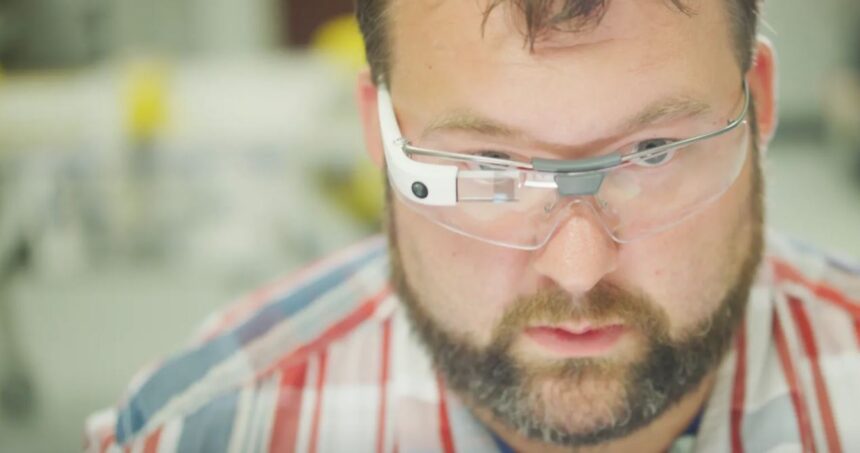
When Google Glass was first shown to the public in 2013, the company made the bold claim that it will fundamentally change the way people engage with technology. The futuristic appearance of Google Glass combined with its capacity for augmented reality helped to generate a great lot of excitement and anticipation among consumers. In spite of the initial excitement, Google Glass was eventually not successful in gaining traction and did not live up to expectations. In this post, we will investigate some of the most important elements that led to the failure of Google Glass.
High Price and Limited Availability
The prohibitively high cost of Google Glass was one of the primary roadblocks that stood in the way of the product’s commercial viability. Google Glass was marketed as a luxury item when it was first released, with an initial price tag of $1,500. The product was aimed more at early adopters and developers than at the general public. Because of the exorbitant cost, it was out of reach for the majority of consumers, which reduced its potential audience and rate of adoption. In addition, Google Glass was only accessible to a limited population through an invitation-only programme, which contributed to the product’s air of exclusivity and drove away further prospective buyers.
Privacy and Social Acceptance Concerns
Privacy and Social Acceptance Concerns
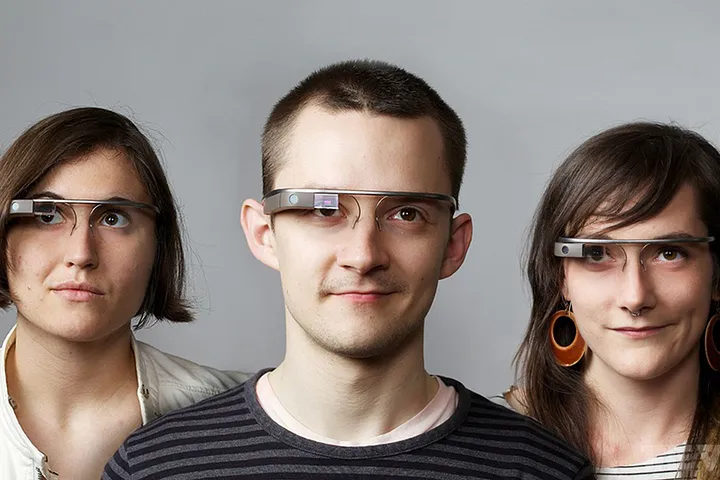
Concerns about invasions of privacy were voiced frequently by members of the general public after the launch of Google Glass. Concerns about an invasion of privacy were raised when it became possible to secretly record video and take pictures without first obtaining the subject’s explicit consent. The fact that people were unsure of whether they were being filmed or photographed led to a backlash against the gadget. People felt uncomfortable not knowing if they were being recorded or photographed. In addition, the design of Google Glass was so noticeable that anyone who wore the gadget stood out from the crowd. This led to the creation of the phrase “Glasshole” to refer to people who used the device. A third factor that contributed to the lack of acceptance and adoption of Google Glass was the poor societal perception of the product.
Limited Use Cases and Lack of Killer Applications
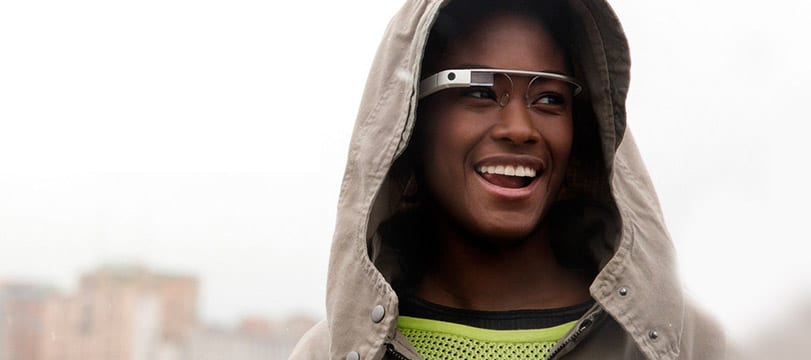
Although Google Glass demonstrated a wide variety of possible applications, the company had trouble identifying a “killer app” that would propel it to widespread popularity and use. The device was promoted largely as a tool for taking pictures and movies, gaining access to maps, and getting notifications. However, beyond these fundamental operations, there was little clarity regarding the applicability in the real world. The inability of developers to create compelling experiences that would properly exploit the capabilities of augmented reality led to a decline in consumer interest in the technology, which in turn contributed to the decline.
Technical Limitations and Design Challenges
The operation of Google Glass was severely impeded by a number of technical restrictions, which led to an unpleasant experience for users. The battery life was not very long, typically only lasting a few hours even with consistent use. The display, despite being cutting-edge, was somewhat limited in size, and it was positioned off to the side of the wearer’s field of vision, which made interacting with material quite difficult. In addition to this, the voice recognition system was frequently erroneous, which resulted in annoyance and a below-average experience for the user. The visual design of the device, in addition to these technical challenges, made the product less enticing to customers who would utilise it.

Timing and Market Readiness
One might make the case that Google Glass was brought to consumers too soon after it was first launched to the market. The idea of augmented reality gadgets that could be worn was ahead of its time, and the consumer market was not yet prepared to enthusiastically adopt such a product. The technological environment, which included hardware, software, and infrastructure, was not evolved enough to meet the lofty vision that Google had for Glass. The early distribution of the product without addressing important issues and constraints ultimately contributed to the product’s lack of success.
Conclusion
Google Glass, despite the initial excitement it generated and the potential it possessed, was not successful in gaining widespread adoption and did not live up to its promise of revolutionising wearable technology. Its failure was due to a number of factors, including high pricing, worries about users’ privacy, a narrow use case set, technical restrictions, and a lack of market preparedness. Despite this, Google Glass has left a legacy that will continue to shape the future of augmented reality technology by imparting important lessons to future inventors and influencing the evolution of existing technology. The shortcomings of Google Glass serve as a reminder that in order to successfully adopt new technology, it is necessary to address the concerns of users, refine the product experience, and align with the requirements and expectations of the market. This is true even as technology continues to advance.