
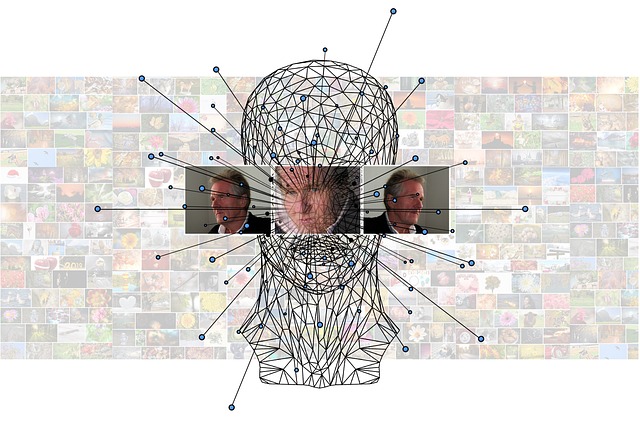
The power of Machine Learning in business is undeniable. By harnessing the power of data and algorithms, businesses can gain insights into customer behavior, optimize processes, and increase efficiency.
Machine Learning can also help businesses identify opportunities and uncover hidden trends that would otherwise remain undetected. This article will explore the various ways Machine Learning can be used to drive business success and the potential benefits it can bring.
How machine learning can help improve business efficiency
The modern business landscape is constantly evolving and companies looking for ways to increase their efficiency and profitability need to keep up. Machine learning is one powerful tool that can help achieve this.
By taking advantage of the power of machine learning, businesses can improve their operations, optimize their processes, and gain insights that allow them to take smarter and more informed decisions. By analyzing large amounts of data, machine learning algorithms can detect patterns, uncover hidden insights and make predictions that greatly improve business efficiency. With machine learning, businesses have the tools not just to understand their data and customers better, but also to predict customer behavior, automatically flag and respond to potential issues, and take real-time action on customers’ requests.
By leveraging machine learning, businesses can become more data-driven and more agile – responding quickly to change and empowering employees to make more strategic decisions. In the long run, machine learning solutions can make businesses more profitable, as they help reduce costs, improve customer service, and ensure top quality products and services.
The impact of machine learning on business decision making
When it comes to making business decisions, the power of machine learning can no longer be ignored. Machine learning algorithms are now being used to analyze vast amounts of data and discover hidden patterns, allowing executives to make smarter decisions faster. Machine learning is revolutionizing how businesses make decisions and shape strategy, giving them a competitive edge in the marketplace.
By taking advantage of ML technologies such as natural processing, computer vision, and deep learning, businesses are able to gain insights and make predictions that weren’t possible just a few years ago. With the help of machine learning, executives can gain an edge in their decision-making process and ensure their businesses are ready for the future.
The benefits of machine learning for businesses

The Power of Machine Learning in Business is something that should not be overlooked. By harnessing machine learning, businesses can increase efficiency, facilitate better decision-making, and even open up new revenue streams.
With machine learning, businesses can become more agile, better understand customer needs and rapidly develop insights that enable them to outpace the competition. Machine learning can enable businesses to make the most of their data, driving the development of predictive and prescriptive insights that keep them ahead of the curve.
The challenges of implementing machine learning in business
:The power of machine learning in business cannot be understated. It’s a powerful tool that can help organizations analyze complex data sets, increase efficiency, and make smarter decisions. Implementing machine learning, however, brings with it a fresh set of challenges.
Organizations may find that they require a specialized team of data scientists and software engineers to help harness the power of machine learning. They may also need to adjust their existing processes to accommodate the complexities of machine learning algorithms, hardware considerations, and scalability issues.
Despite these challenges, machine learning provides a great opportunity for businesses to make better decisions, boost productivity, and drive efficiency in the workplace. With the right approach, efforts can be successful and the payoff can be great.
Best practices for implementing machine learning in business
The Power of Machine Learning in Business can no longer be ignored. It is fast becoming the go-to tool for many companies who require sophisticated algorithms to find out better and efficient solutions for their businesses.
Implementing Machine Learning in Business is no longer an option, but a necessity. From predicting customers’ buying habits to finding better ways of managing core operations, the power of Machine Learning in Business is indisputable. In this article, we’ll be going over some of the best practices for implementing machine learning in business, so that you can leverage this technology to its fullest potential.
Examples of companies using machine learning to improve business performance
The power of machine learning in business is undeniable. With the ability to quickly and accurately process vast amounts of data, machine learning is helping businesses make decisions faster, reduce errors, and increase productivity.
From automating customer service to improving operational efficiency, there are many examples of successful companies who have implemented machine learning to enhance their performance. From retail to finance, companies like Walmart, eBay, Airbnb, and JPMorgan Chase are leveraging machine learning to optimize performance across their operations. Walmart has used machine learning to automate their customer service while eBay has used it to improve product recommendations.
Airbnb and JPMorgan Chase are using machine learning to provide exceptional customer experiences and control risks. By embracing machine learning, these companies have been able to maximize the return on their investments and achieve sustainable growth.
Conclusion
Machine learning has become an integral part of the business world. By leveraging powerful algorithms and data-driven insights, businesses are able to make better decisions, increase efficiency, and gain a competitive edge.
From customer segmentation to predictive analytics, machine learning is revolutionizing the way businesses operate and setting the stage for a new era of success.
FAQ
What are the most common applications of machine learning in business?
The most common applications of machine learning in business include predictive analytics, customer segmentation, fraud detection, natural language processing, and automated customer support.
How can machine learning help businesses improve their operations?
Machine learning can help businesses improve their operations by automating processes, analyzing customer data, predicting customer behavior, and optimizing decision-making. Machine learning can also help businesses identify opportunities for cost savings, reduce risk, and improve customer experience.
What are the potential risks associated with using machine learning in business?
The potential risks associated with using machine learning in business include data security and privacy risks, potential bias in the data used to train the model, and the risk of over-reliance on automated decisions. Additionally, there is a risk of incorrect or incomplete data being used to train the model, which can lead to inaccurate results.
How can businesses ensure that their machine learning models are accurate and reliable?
Businesses can ensure that their machine learning models are accurate and reliable by regularly testing the models with a variety of data sets, monitoring the performance of the models over time, and using techniques such as cross-validation to ensure that the models are not overfitting the data. Additionally, businesses should use techniques such as regularization to reduce the complexity of the models and ensure that they are not over-generalizing.
What are the benefits of using machine learning in business?
The benefits of using machine learning in business include increased efficiency and accuracy in data analysis, improved customer service and engagement, reduced costs, increased customer insights, and improved decision-making. Machine learning can also be used to automate processes, reduce manual labor, and identify trends and patterns in data.
How can businesses ensure that their machine learning models are secure?
Businesses can ensure that their machine learning models are secure by implementing measures such as data encryption, access control, and regular security audits. They should also ensure that their models are regularly tested and updated to address any potential security vulnerabilities. Additionally, businesses should ensure that their machine learning models are trained on secure datasets that are free from malicious or incorrect data.