

In the modern business landscape, data is often referred to as the new oil. The collection, storage, and analysis of large amounts of information have become essential for businesses of all sizes and types. This is where big data comes into play. Big data refers to the vast and complex sets of information that businesses can collect and analyze to gain insights, improve decision-making, and drive growth. In this article, we will explore the power of big data and how it can be leveraged for business success.
What is Big Data?
Big data refers to the large volume of structured and unstructured data that floods a business on a daily basis. This data can be collected from a variety of sources, including social media, customer feedback, website analytics, and IoT devices. Big data is characterized by its volume, velocity, and variety. The sheer amount of data collected is immense, and it is generated and processed at a high velocity. The variety of data sources and formats also adds to the complexity of big data.

Benefits of Big Data
Businesses that harness the power of big data can gain a competitive advantage in several ways. Here are some of the key benefits of big data:
1. Improved Decision Making
Big data analytics can help businesses make informed decisions based on data-driven insights. By analyzing large volumes of data, businesses can identify patterns, trends, and correlations that would be impossible to detect otherwise. This information can be used to optimize business operations, improve customer experiences, and create new revenue streams.
2. Enhanced Customer Experiences
Big data can be used to gain a deep understanding of customers and their preferences. By analyzing customer data, businesses can personalize their offerings, improve customer satisfaction, and build stronger relationships with their customers.
3. Increased Operational Efficiency
Big data analytics can help businesses identify inefficiencies in their operations and streamline processes. By analyzing data from different departments and systems, businesses can optimize their supply chains, reduce waste, and improve productivity.
4. New Revenue Streams
Big data can help businesses identify new revenue streams by uncovering untapped markets or identifying emerging trends. By analyzing data on customer behavior and preferences, businesses can create new products or services that meet customer needs.

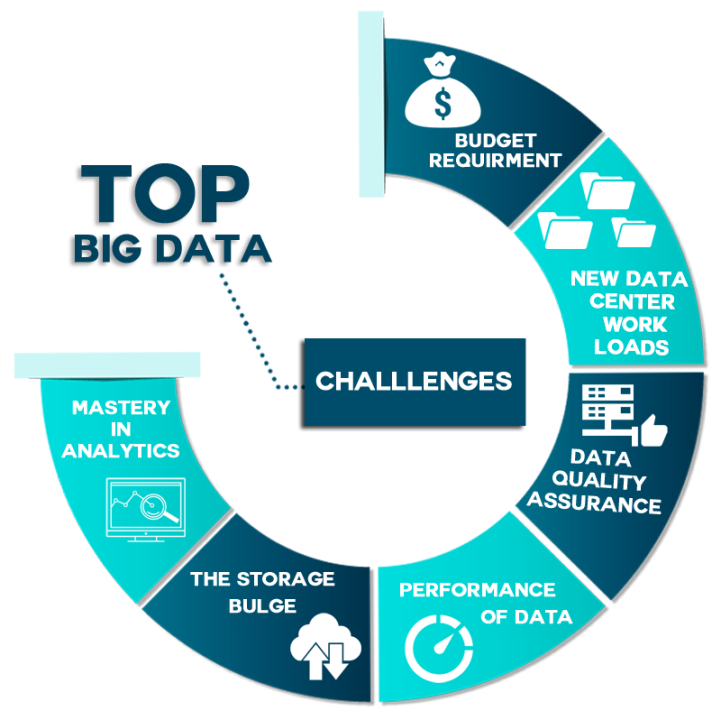
Challenges of Big Data
While big data has many benefits, it also presents several challenges. Here are some of the key challenges of big data:
1. Data Security
With the rise of big data comes the risk of data breaches and cyber attacks. Businesses must ensure that they have robust security measures in place to protect sensitive data.
2. Data Quality
The quality of data is crucial for accurate analysis and decision-making. Businesses must ensure that the data they collect is accurate, relevant, and up-to-date.
3. Data Integration
Big data is often collected from a variety of sources, which can make it challenging to integrate and analyze. Businesses must ensure that they have the right tools and expertise to manage and analyze data from different sources.
Leveraging Big Data for Business Success
To leverage big data for business success, businesses must take a strategic approach. Here are some of the key steps businesses can take to harness the power of big data:
Define Goals and Objectives
Before embarking on a big data initiative, businesses must define clear goals and objectives. This will help them focus their efforts and ensure that they are collecting and analyzing the right data.
Choose the Right Tools and Technologies
To analyze big data effectively, businesses must have the right tools and technologies in place. This includes data storage and processing systems, analytics tools, and visualization software.
Build a Skilled Team
Leveraging big data requires a skilled team with expertise in data analysis, statistics, and machine learning. Businesses must invest in training and development to build a team that can effectively analyze and interpret data
Collect Relevant Data
Once businesses have defined their goals and objectives and have the right tools and team in place, they can begin collecting relevant data. This includes data from internal sources such as CRM systems and ERP systems, as well as external sources such as social media and customer feedback.

Clean and Process Data
After collecting the data, businesses must clean and process it to ensure that it is accurate and relevant. This involves removing duplicates, filling in missing values, and transforming data into a format that can be easily analyzed.
Analyze Data and Gain Insights
With the data cleaned and processed, businesses can begin analyzing it to gain insights. This involves using statistical methods, machine learning algorithms, and data visualization tools to identify patterns and trends.
Implement Changes and Monitor Results
Based on the insights gained from big data analysis, businesses can implement changes to their operations, products, or services. It is important to monitor the results of these changes and make adjustments as needed.
Conclusion
Big data has become an essential tool for businesses looking to gain a competitive advantage in today’s data-driven world. By collecting, analyzing, and leveraging large amounts of information, businesses can improve decision-making, enhance customer experiences, increase operational efficiency, and identify new revenue streams. However, leveraging big data also presents challenges such as data security, data quality, and data integration. By taking a strategic approach and following best practices, businesses can harness the power of big data and achieve business success.