

In the world of technology, innovation is the driving force behind all the devices, tools, and online services that we depend on. The pursuit of ever-more-advanced technological solutions frequently clashes with the preservation of our planet, which presents a paradox as we progress forward in this digital era. Here we have renewable energy technologies, the unsung heroes who are about to change the face of the tech industry. The change we are seeing is about building a future that is both more resilient and more inventive; it is about more than just cleaner energy. This in-depth analysis reveals how renewable energy can revolutionize the technology sector and, by extension, our planet.
A Green Charge for Change
Data centers, manufacturing processes, and the ever-increasing rate of obsolescence have long made the technology industry a byword for environmental concerns. Despite this tumultuous image, there is a rising tide of change as businesses wake up to the double duty to innovate in a sustainable way. By committing to lofty carbon neutrality goals, tech companies are showing that they understand the importance of sustainable practices for both the environment and their bottom lines, rather than just checking a box for corporate social responsibility.
As a catalyst for a technological green revolution, renewable energy sources have emerged in this fraught environment. The strategic investments in wind, solar, and hydro are more than just buzzwords; they power data centers and operations around the clock. However, the change is not limited to purchasing; rather, it is about establishing a system in which renewable energy sources contribute to the innovation loop. The connection between solar-powered servers and semiconductors made with green hydrogen is obvious; more environmentally friendly technology leads to even more environmentally friendly technology, creating a seemingly endless cycle of sustainability.
Silicon and Sunlight: The Solar Tech Infiltration
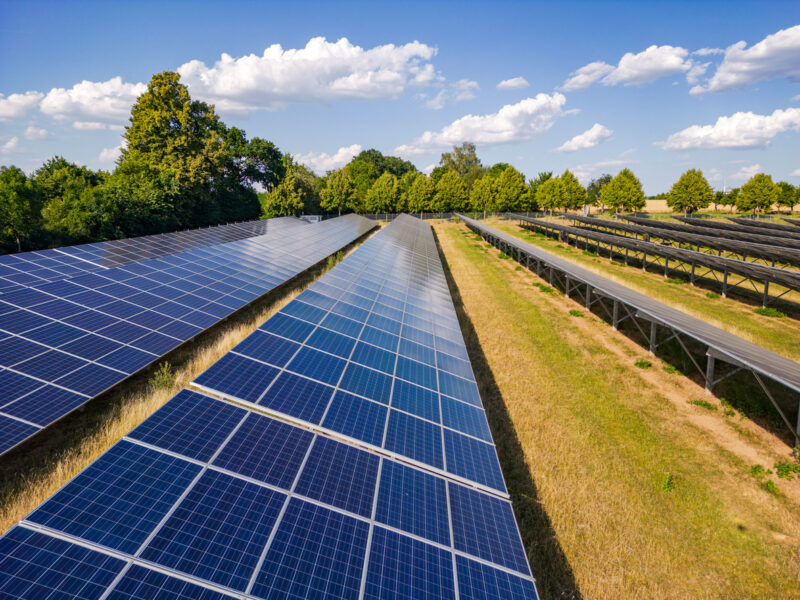
Energy production, storage, and application are all touched by the solar surge in technology, which extends beyond panels atop corporate headquarters. Think about it: the contemporary data center, which was once a powerhouse but is now becoming a center for solar innovation. Modern photovoltaic materials, solar farms, and on-site solar installations are revolutionizing the way we power the foundation of our digital infrastructure.
Technology firms are also jumping headfirst into the solar industry, creating cutting-edge solar tracking systems to maximize energy harvesting at all times of day. Not only are Tesla and Apple’s ventures into solar tiles symbolic, but they are also market accelerators that are increasing competition and pushing solar tech’s integration into the industry.
Wind of Change: Turbines in the Techscape
Wind power follows a comparable storyline, albeit one with its own distinct development. The increasing importance of wind power in the technology sector, following solar’s lead, highlights the need for renewable portfolio diversification. Wind energy projects, which include towering turbines, are becoming more common and are now powering everything from microelectronics to massive cloud services, so they are not out of place in the tech industry’s quest of innovation.
Google has just declared its intention to power its entire global business on 100% carbon-free electricity, hourly and daily, using wind and solar power. This is perhaps the most astounding demonstration of wind energy’s technological adoption to date. This dedication, supported by innovative policies and operations, establishes wind as a key figure in the green transformation of technology.
Hydroelectric Hybrids: The River Runs Through IT
Reliable and established renewable energy sources include hydroelectric power, for instance. Even though it doesn’t get much love from tech companies, hydropower is still an important and dependable part of renewable energy. The scope of hydraulic projects is broad, including micro-hydropower projects to power faraway tech outposts and dam reimaginings to meet data center demands. The flexibility of hydropower projects shows that they are long-lasting.
Data centers utilize innovative water-based cooling systems, which further demonstrate the complimentary nature of water and technology. We can all work together for a greener tomorrow by combining conventional and technological energies. This method not only efficiently dissipates heat, but it also makes use of water’s inherent sustainability as a renewable resource.

The Role of Geothermal Energy in Geeking Out Sustainability
The compatibility of geothermal energy with another rapidly developing industry, geothermal heat pumps, makes it an obvious conversation starter in the tech world. As a renewable energy source, geothermal technology harnesses the Earth’s natural temperature gradients to power data center cooling and direct heating in colder regions.
In addition to this, geothermal energy has the potential to make tech manufacturing more sustainable. One possible way to lessen the environmental impact of technological goods is to use geothermal energy, which provides renewable steam to manufacturing processes. Geothermal energy is currently on the fringes of the energy landscape, but its popularity is only going to grow, and the tech industry is well-positioned to be an early adopter.
Battery Tech and Beyond
Renewable power sources’ intrinsic unpredictability is the main cause for concern. A number of meteorological factors, including the amount of sunshine, the speed and direction of the wind, and others, are not static. As battery technology improves, renewable energy and technical services will be better able to withstand these variations. As lithium-ion faces competition from solid-state batteries and flow cells, an intriguing new age in energy storage has started.
Less downtime, better energy security, and more efficient energy consumption are just a few ways in which the IT sector stands to gain substantially from these advancements in battery technology. When it comes to preserving renewable energy, modern battery technology is often overlooked. They have several uses, such as storing wind energy for times of high demand or charging faraway sensors with solar power.

The Human Element: Education and Awareness
One of the main reasons why the tech industry has been so quick to embrace renewable energy is because of people. A culture where sustainable practices are valued and ingrained can be fostered through education and awareness raising. There needs to be a combination of formal education and training programs with more grassroots efforts within tech communities if we are to reach this goal.
The technology sector can help bring about a strong renewable energy renaissance by providing its workers with the resources they need to innovate in a sustainable way. This dedication to people is what renewable energy technology is lacking; it is not a passing fad but rather the bedrock of what is to come.
Conclusion: The Intersection of Innovation and Sustainability
Now more than ever, the convergence of renewable energy technology with the tech industry is a thriving roundabout where sustainability and innovation mutually stimulate one another. In the race against time to halt global warming, every technology—solar, wind, hydroelectric, and geothermal—is a ray of hope.
More than just an opportunity to fix technology’s mistakes of the past, the renewable energy revolution heralds a future in which the elements—the sun, the wind, and the earth itself—power all of our electronic devices, data, and digital aspirations. Now the real concern is not whether or not the tech industry will completely embrace a green future, but rather how fast it can innovate to make sure that future comes to pass in a responsible and sustainable way. The boundaries between technology and the natural world are beginning to melt as we approach a watershed moment in history. The elements that keep life on Earth in motion are also driving the impending transformation. Here in the future, technology isn’t merely state-of-the-art; it’s clean-edge.