
Thanks to lightning-fast technological developments, the transportation industry is about to undergo a massive revolution. Electric cars, driverless vehicles, and other innovations are reshaping the transportation industry at a rapid pace. This article explores some exciting new transportation trends that are going to change the travel industry forever.
The Front and Center of the Electric Vehicle (EV)
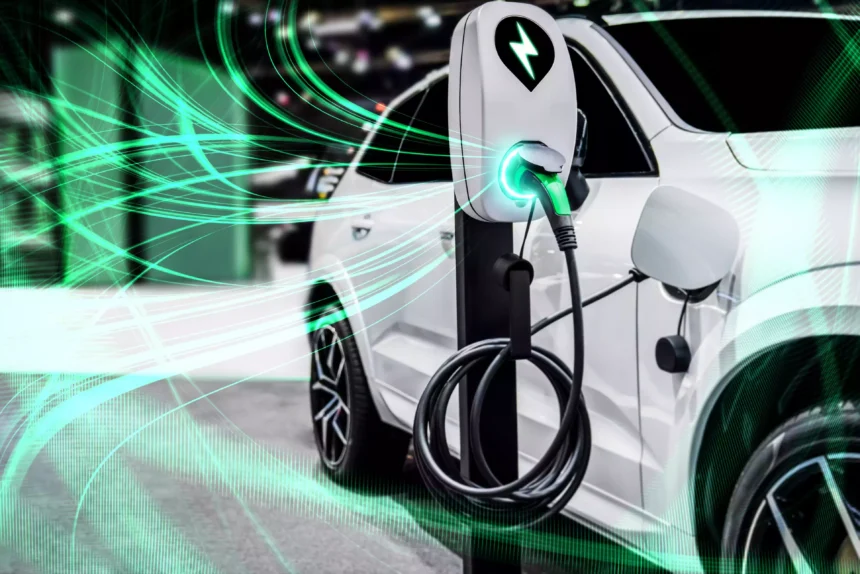
The introduction of electric vehicles is one of the most significant technological revolutions in transportation history. More and more people are worried about the effects of air pollution and climate change. Electric vehicles have a smaller impact on the environment than their gas-powered counterparts. Models with improved charging capabilities and longer ranges are the outcome of substantial investments in technology by major electric vehicle manufacturers. Chevrolet, Nissan, and Tesla are all part of this. With the proliferation of charging stations and advancements in electric vehicle technology, these vehicles are becoming more appealing and useful. The outcome is a transportation future that is less taxing on Earth’s resources.
New Mobility Standards: AVs
Once thought to be in the far future, autonomous vehicles (AVs) are now on the horizon. Waymo, Uber, and Tesla have been pioneers in the development of autonomous vehicles powered by AI. Among the many ways in which autonomous vehicles (AVs) might revolutionize transportation are their accessibility, road safety, and user-friendliness for people with mobility issues or age-related declines. Public acceptability, cybersecurity worries, and regulatory roadblocks are still significant obstacles to broad adoption. Our transportation plans in regard to AVs may need a total rethinking when public confidence in these systems grows.

Hyperloop and High-Speed Rail: The Transportation Revolution on the Horizon
Hyperloop technology has made the once-inconceivable prospect of intercity travel at speeds exceeding 700 mph a real possibility. Hyperloop, proposed by Elon Musk, is a faster and more efficient alternative to existing transportation systems; it employs vacuum tubes to accelerate passenger pods. When it comes to medium- to long-distance travel, the high-speed rail networks in China and Japan are just as efficient and eco-friendly as one another. Future intercity travel is anticipated to be more convenient, quicker, and environmentally friendly thanks to public and private investments in these state-of-the-art technologies.
Unleashing UAM on Cityscapes
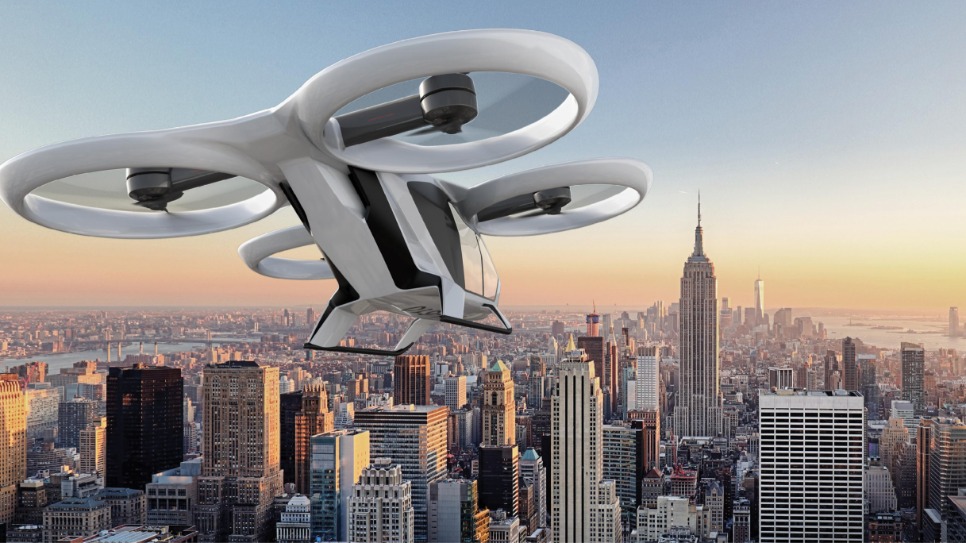
The demands of an increasingly urban population are putting a strain on conventional transportation options. Electric vertical takeoff and landing (eVTOL) planes are being considered as a potential solution for urban air mobility (UAM) issues. Uber, Volocopter, and Airbus are among the many companies developing UAM platforms to address the increasing issue of urban mobility. Due to its revolutionary potential to change urban transportation, UAM offers a vision of an endless future, despite infrastructure and regulatory hurdles.
In conclusion
The transportation landscape of the future is already being shaped by fresh ideas and quickly evolving technologies. Unprecedented technological advancements are poised to revolutionize the transportation sector. The hyperloop, electric vehicles, self-driving cars, and urban air mobility all fall under this umbrella. A more efficient and environmentally friendly transportation system is undoubtedly on the horizon, despite the numerous challenges that lie ahead, including rules, infrastructure constraints, and public support. By embracing these innovations and overcoming obstacles, we can create a transportation system that is safer, more efficient, and less polluting. Trust me when I say that the journey ahead will be one of the most thrilling experiences of your life.