

Electric vehicles are the mode of transportation of the future, and the rapid development of battery technology and related infrastructure is paving the way for a mobility revolution that is cleaner and more sustainable. Because of the positive effects that electric vehicles (EVs) have on the environment and the progress that has been made in battery technology, their popularity is growing. In this piece, we explore the exciting breakthroughs in battery technology and the expanding infrastructure that are powering the future of electric vehicles. Both of these factors are expected to play a significant role in the future of electric vehicles.
Advancements in Battery Technology
The batteries that power electric vehicles are the beating heart of the EV business, and recent developments in battery technology are causing substantial waves of disruption across the sector. However, researchers and manufacturers are always pushing the boundaries to develop batteries with higher energy density, longer range, and the ability to charge more quickly. Although lithium-ion batteries have dominated the market, other battery types are being developed. To improve the performance of batteries and overcome their limits, researchers are investigating the use of novel materials such as solid-state electrolytes and lithium-sulfur. Because of these developments, electric vehicles will be able to go farther between charges, have a shorter total charging time, and be more efficient overall.
Increased Energy Density and Extended Range
Increased Energy Density and Extended Range
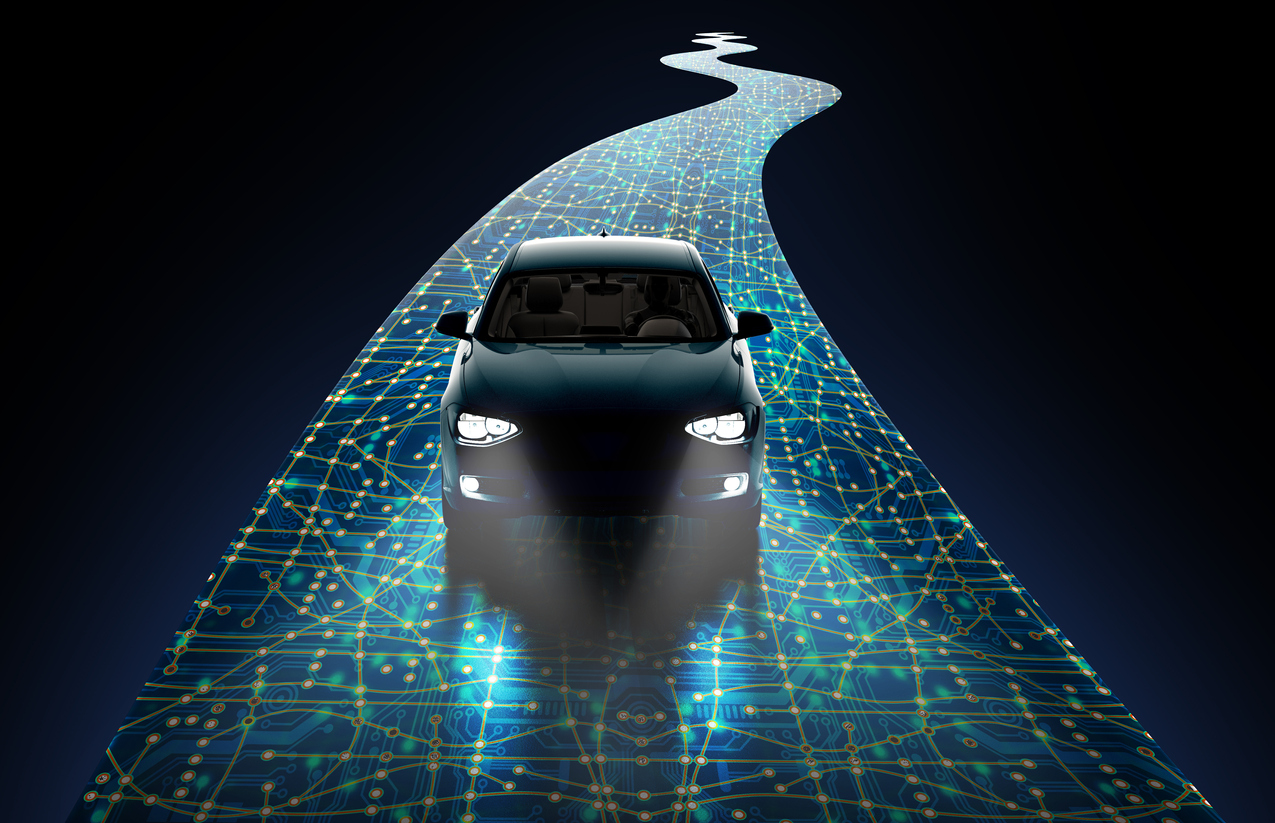
The range that electric vehicles are capable of providing is one of the most important considerations that must be made before their widespread use. The energy density of batteries is continually rising as a result of technological breakthroughs, which enables bigger storage capacities to be contained within the same amount of physical space. This means that future electric vehicles (EVs) will have longer ranges, which will alleviate range anxiety and make it possible for electric vehicles to be used for long-distance trips. New developments in battery technology are on the verge of providing a considerable boost to the range of electric vehicles, which will make them a more viable option for consumers to purchase regardless of their driving requirements.

Fast Charging and Convenience
The widespread adoption of electric vehicles is contingent on the development of a robust charging infrastructure. There is a rising emphasis on developing solutions for rapid charging in order to answer issues regarding the amount of time required for charging. Expanding high-power charging networks, such as Tesla’s Supercharger network and third-party charging networks, will soon enable ultra-fast charging choices and consequently cut charging times by a significant amount. In addition, there is ongoing research to create technologies such as solid-state batteries and unique charging methods, with the goals of making charging even more convenient and reducing the amount of time it takes to charge to a matter of minutes.
Improved Battery Durability and Lifespan
Concerns about the deterioration and lifetime of batteries have been raised by owners of electric vehicles. However, developments in battery technology are making it possible to solve these concerns. Battery management systems (BMS) are increasing in sophistication, which allows them to better optimise charging and discharging patterns to lengthen the lifespan of batteries. Additionally, enhanced thermal management systems and innovative manufacturing procedures are improving the battery’s resistance to degradation while also contributing to the battery’s increased durability. These advancements are essential in order to lower the expenses associated with battery replacement and to increase the total lifespan of batteries used in electric vehicles.
Expanding Charging Infrastructure
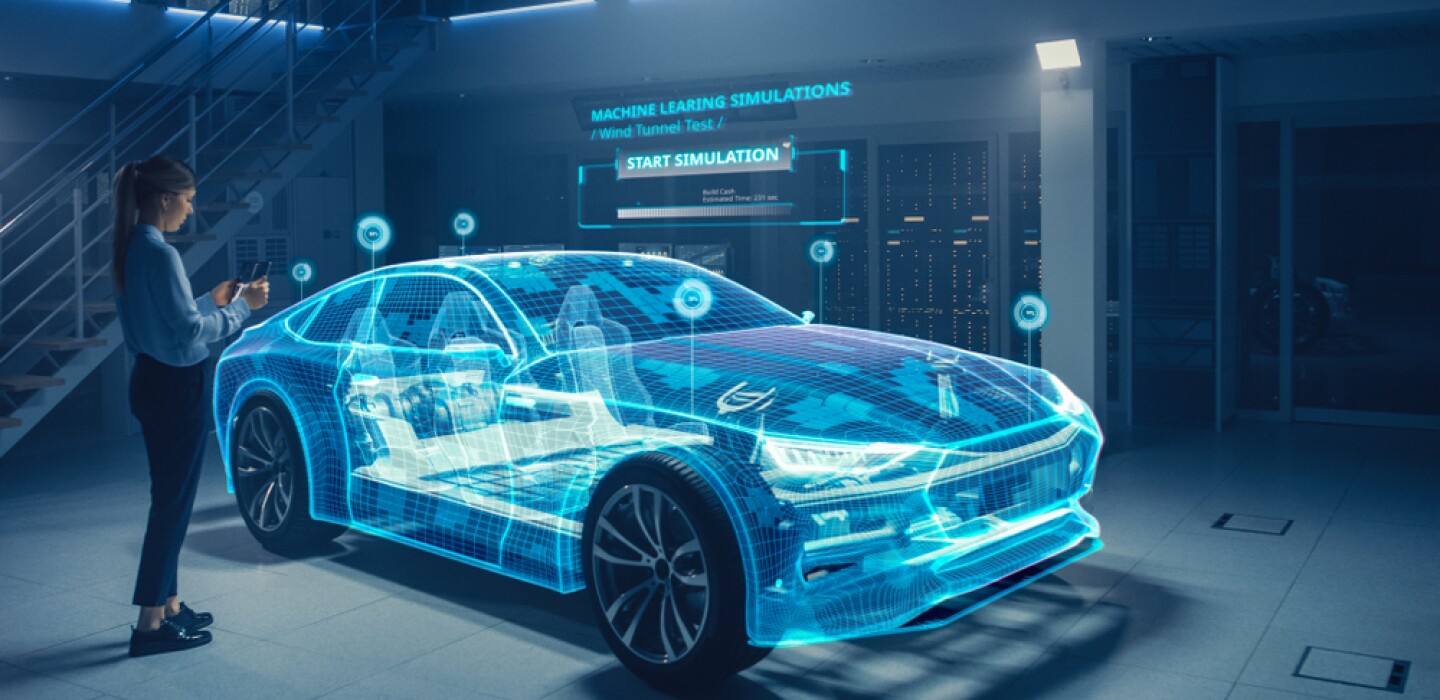
The development of a reliable charging infrastructure is necessary for the expansion of the use of electric vehicles. Governments, businesses, and the providers of charging networks are all working together to extend charging networks. As part of this effort, charging stations are being installed in residential areas, along highways, at workplaces, and in metropolitan regions. In order to satisfy the growing demand for charging choices that are both quick and convenient, rapid charging stations and high-power charging networks are currently being set up. In addition, smart charging systems and integration with renewable energy sources are currently being investigated as potential ways to improve grid management and minimise negative effects on the environment.

Conclusion
The extraordinary breakthroughs in battery technology and the continued expansion of charging infrastructure are both contributing factors to the optimistic outlook for the future of electric vehicles. As the technology behind batteries continues to advance, we may anticipate the arrival of electric vehicles that have greater driving ranges, shorter charging periods, increased durability, and increased overall efficiency. Electric vehicles, when coupled with a growing charging infrastructure, are poised to become a mainstream means of transportation. This would revolutionise the automotive industry as well as pave the way for a more sustainable and environmentally friendly future.