

We all want to do our part in creating a sustainable home, but it can be difficult to know where to start. Luckily, with the help of smart tech hacks, it’s easier than ever to make your home more eco-friendly.
In this blog, we’ll explore some of the best smart tech hacks for a sustainable home. From installing energy-efficient appliances to using smart thermostats, you’ll find all the information you need to start making your home more environmentally friendly. So, let’s get started and learn how to use smart tech hacks for a sustainable home.
Benefits of smart tech for a sustainable home
Optimizing your home’s sustainability with smart technologies is a great way to benefit the environment and save on energy costs. Smart tech hacks for a sustainable home can add a new level of efficiency and convenience to any property.
From automated watering systems, to sensors that monitor water levels, to smart thermostats that adapt to your daily routine, these innovative tools make it easier than ever to reduce energy consumption and conserve resources. Plus, many of these products integrate with existing home automation systems, allowing you to create a connected, eco-friendly ecosystem with minimal effort. With the help of smart tech hacks for a sustainable home, you can enjoy the comforts of your home without sacrificing the planet’s resources.
Types of smart tech for a sustainable home
Smart technology is becoming increasingly popular as it can help to increase the sustainability of your home. Smart tech hacks for a sustainable home can give you more control over your energy consumption and help you save money on energy bills.
Smart thermostats can learn your energy usage patterns, so they can adjust the temperature automatically, while LED bulbs use far less energy than their traditional counterparts, making them a great choice for sustainable lighting in the home. Smart plugs allow you to control the energy use of individual appliances and help you stay on top of your power usage. These smart tech hacks can help you to reduce your carbon footprint and save money, making your home more sustainable.
How to choose the right smart tech for your home

If you’re ready to transform your home into a modern, sustainable living environment, then it’s time to get smart about your “smart tech” choices. Fortunately, there are some hacks for choosing the right smart tech for your home—it just requires a little extra research and consideration. By applying these hacks, you can ensure you buy the best smart tech necessary to create the living space of your dreams and enhance your lifestyle.
So, let’s get started!
Tips for installing smart tech in your home
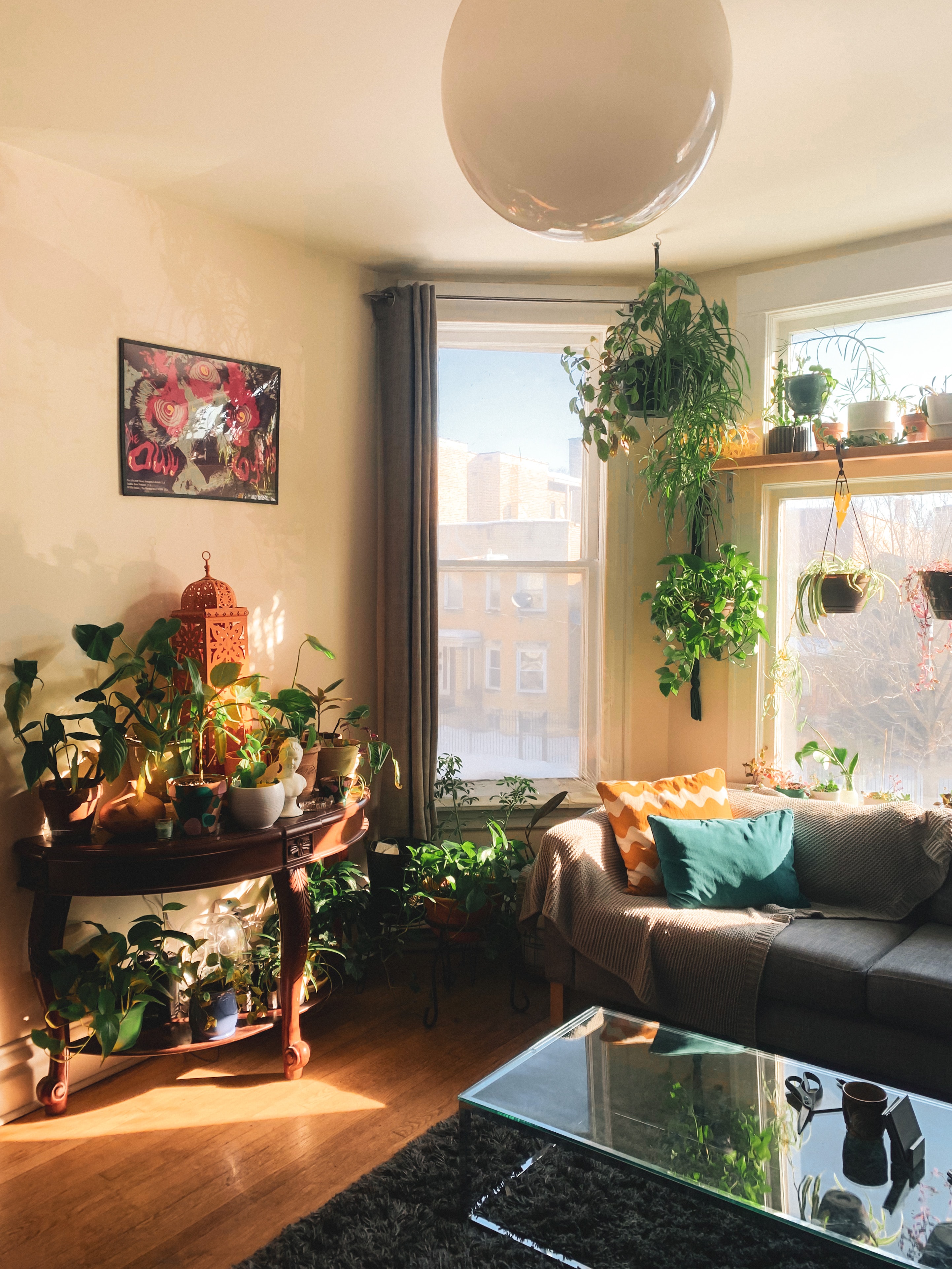
“Smart tech hacks for a sustainable home” can be a great strategy to make your home more efficient, modern and greener. From smart thermostats to LED lights and automated water management, there are plenty of ways to upgrade your home in an eco-friendly way.
With the right smart tech hacks, you can greatly reduce energy usage, reduce your carbon footprint, and improve your home’s overall comfort and convenience. Whether you’re a DIYer or looking to hire a professional, we’ve rounded up the best smart tech hacks for a sustainable home to help get you started. From learning how to install a smart thermostat to assessing your home automation needs, these tips will make the whole process easier and more efficient.
Best practices for using smart tech in your home

for Online PublishingWe all know that smart tech is the way of the future, which is why it makes perfect sense to take advantage of this technology in our homes. But having the latest gadgets and gizmos doesn’t necessarily equate to a sustainable lifestyle. That’s where smart tech hacks come in.
With some thought and a bit of research, you can use these hacks to unlock the full potential of your smart devices and make your home more energy efficient. From simple tips for reducing your energy consumption to clever strategies for optimizing your appliances, read on for our best practices for using smart tech in your home.
Common challenges with smart tech for a sustainable home
Smart tech hacks for a sustainable home is an essential topic to explore if you want to create a home that is both efficient and eco-friendly. Smart tech devices are becoming increasingly popular and offer an array of benefits for homeowners.
However, it is important to understand that with all these new pieces of technology comes the potential for a few common challenges. This article will look at some of the most common challenges that homeowners may encounter when incorporating smart tech into their home. From compatibility issues to worries about security and reliability, let us discover the potential challenges that can arise with smart tech for a sustainable home.
Conclusion
Smart tech hacks can help make your home more sustainable. By incorporating energy-saving devices, using renewable energy sources, and making simple lifestyle changes, you can reduce your home’s footprint and save money. With a little bit of effort, you can make your home more efficient and eco-friendly.
FAQ
What are sustainable practices?
Sustainable practices are activities that meet the needs of the present without compromising the ability of future generations to meet their own needs. Examples of sustainable practices include reducing waste, conserving energy and water, and using renewable resources.
What are 4 sustainable practices?
Four sustainable practices are reducing energy consumption, using renewable energy sources, reducing waste, and conserving water.
What should a sustainable house be made of?
A sustainable house should be made of materials that are renewable, recyclable, and energy-efficient, such as bamboo, recycled wood, and insulated concrete forms. Additionally, sustainable building materials should be sourced locally to reduce environmental impact and transportation costs.
How can I make my house more sustainable?
To make your house more sustainable, you can start by making small changes such as switching to energy-efficient light bulbs, using low-flow showerheads, and installing solar panels. You can also reduce your water consumption by using water-efficient appliances and fixtures, and recycling and composting your waste. Additionally, you can look into green building materials such as bamboo and cork for flooring and insulation.
What is the most sustainable construction material?
The most sustainable construction material is bamboo. It is a fast-growing, renewable resource that is strong and durable, making it an ideal material for construction. Bamboo also requires less energy to process than other materials, making it a more sustainable choice.
How can we make technology eco-friendly?
We can make technology eco-friendly by using renewable energy sources, reducing energy consumption, and recycling materials. Additionally, we can look for ways to reduce our reliance on technology and use more sustainable alternatives.