

In recent years, smart home technology has transformed the way we interact with our living spaces. What was once a futuristic concept is now a tangible reality, offering convenience, efficiency, and enhanced security to homeowners worldwide. If you’re new to the world of smart home automation, navigating through the myriad of options can be overwhelming. However, fear not! In this comprehensive guide, we’ll explore easy and accessible ways to upgrade your living space with smart technology, catering specifically to beginners.
Understanding Smart Home Automation
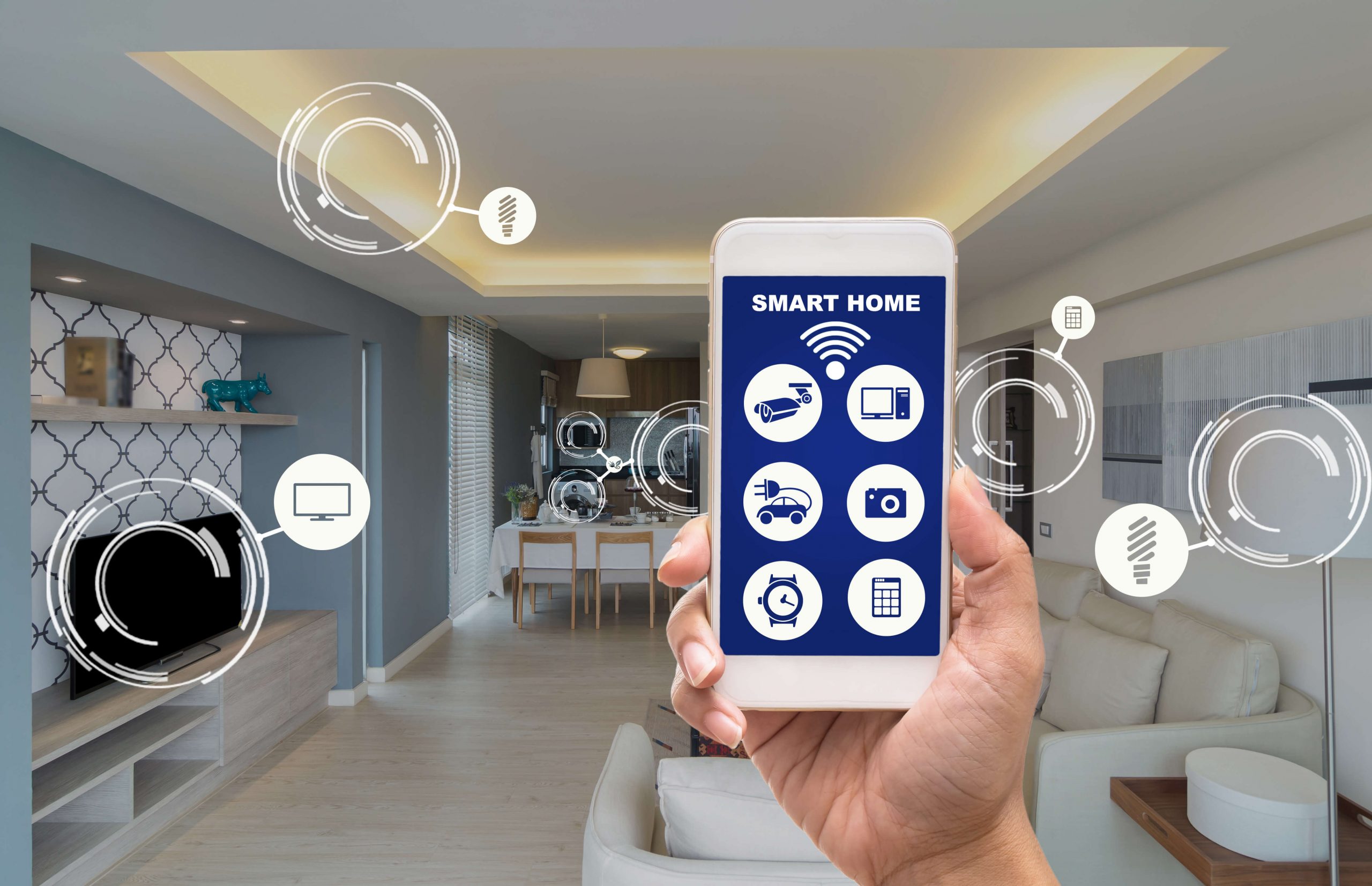
Smart home automation refers to the integration of technology into various aspects of your home to automate and control them remotely. This can include lighting, security systems, climate control, entertainment devices, appliances, and more. The primary benefits of smart home technology include increased convenience, energy efficiency, improved security, and enhanced comfort. However, there are common misconceptions, such as concerns about privacy and complexity, which we’ll address along the way.
Getting Started
Before diving into the world of smart home automation, it’s essential to assess your needs and priorities. Determine which areas of your home could benefit most from automation and what functionalities are most important to you. Additionally, consider your budget and how much you’re willing to invest in smart devices. It’s also crucial to check the compatibility of smart devices with your existing technology infrastructure to ensure seamless integration.

Smart Lighting
One of the simplest and most impactful ways to introduce smart technology into your home is through lighting. Smart bulbs and switches allow you to control your lights remotely using a smartphone app or voice commands. Beyond the convenience of turning lights on and off from anywhere, smart lighting offers benefits such as energy efficiency and customizable ambiance. Installation is typically straightforward, requiring only basic knowledge of electrical wiring.
Home Security
Enhancing home security is a top priority for many homeowners, and smart technology offers a range of solutions to achieve this goal. Smart locks provide added convenience and security by allowing you to lock and unlock your doors remotely using a smartphone app or keypad. Video doorbells offer real-time video monitoring of your doorstep, while security cameras enable remote surveillance of your property.
Climate Control
Smart thermostats revolutionize the way you manage your home’s temperature, offering features such as programmable schedules, remote access, and energy usage monitoring. By optimizing your heating and cooling systems, you can not only increase comfort but also reduce energy consumption and utility bills. Integration with voice assistants like Amazon Alexa or Google Assistant allows for hands-free control of your home’s climate.
Entertainment and Multimedia
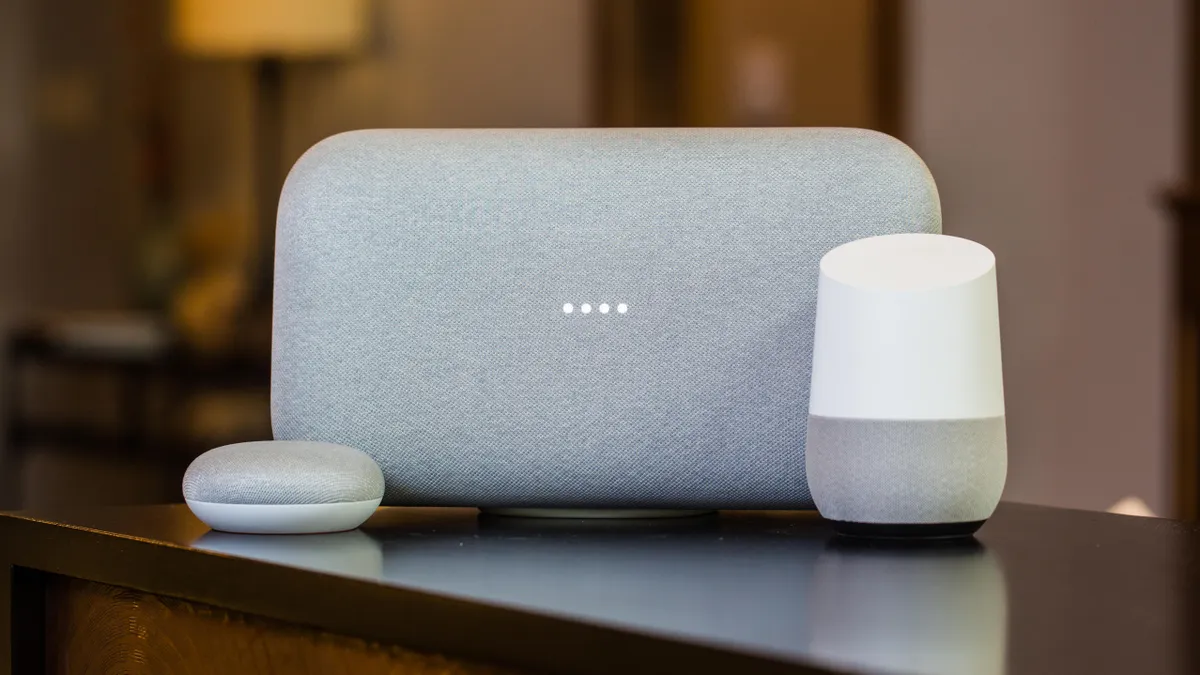
Smart technology extends beyond practical applications to enhance your entertainment experience. Smart speakers like Amazon Echo or Google Home allow you to stream music, podcasts, and audiobooks with simple voice commands. Smart TVs and streaming devices offer seamless access to a wide range of content, while home theater setups can be automated to create immersive viewing experiences.
Smart Appliances
Kitchen and laundry room appliances are becoming increasingly intelligent, offering features such as remote monitoring, automated routines, and energy-saving modes. Smart refrigerators can notify you when it’s time to restock groceries, while smart ovens and coffee makers allow you to preheat or brew coffee remotely. In the laundry room, smart washers and dryers offer convenience and efficiency by adjusting settings based on load size and fabric type.
Voice Assistants
Central to the smart home experience are voice assistants like Amazon Alexa, Google Assistant, and Apple Siri. These virtual assistants serve as the hub for controlling smart devices, accessing information, and performing various tasks using voice commands. Whether you’re adjusting the thermostat, playing music, or checking the weather forecast, voice assistants make interacting with your smart home intuitive and effortless.

Privacy and Security Considerations
As with any connected technology, privacy and security are paramount concerns in the realm of smart home automation. It’s essential to safeguard your data and personal information by using strong passwords, enabling two-factor authentication, and keeping your devices and software up to date with the latest security patches. Additionally, securing your home network and being mindful of the data collected by smart devices can help mitigate potential privacy risks.
Future-proofing Your Smart Home
As technology continues to evolve, it’s crucial to future-proof your smart home by planning for scalability and interoperability. Invest in devices that are compatible with popular smart home ecosystems and have a track record of receiving updates and support from manufacturers. By staying informed about advancements in technology and regularly evaluating your smart home setup, you can ensure that your home remains at the forefront of innovation for years to come.

Conclusion
Embarking on the journey of smart home automation may seem daunting at first, but with the right approach, it can greatly enhance your living experience. By starting small and gradually expanding your setup, you can create a home that is not only more convenient and efficient but also safer and more enjoyable. So, why wait? Begin your smart home transformation today and unlock the full potential of modern technology. With the wealth of options available, there’s never been a better time to upgrade your living space with smart technology.