
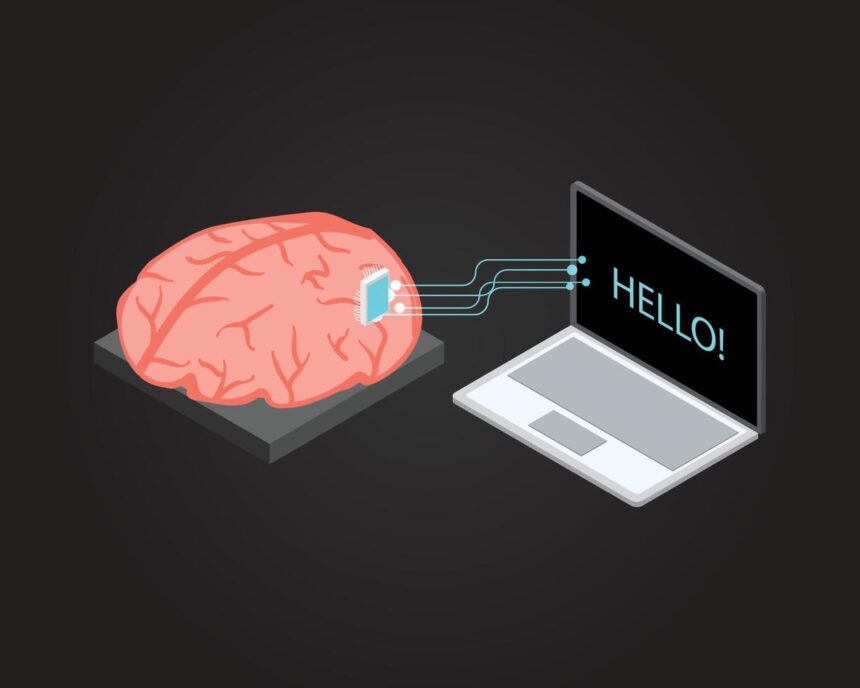
Welcome to a world where the power of thought becomes a tangible force that can control devices and interact with the digital realm. Mind-machine interfaces (MMIs) are at the forefront of technological advancements, bridging the gap between our minds and machines. In this blog post, we will explore the incredible potential of MMIs, the applications they hold across various industries, and the ethical considerations that arise from this groundbreaking technology.
Understanding Mind-Machine Interfaces
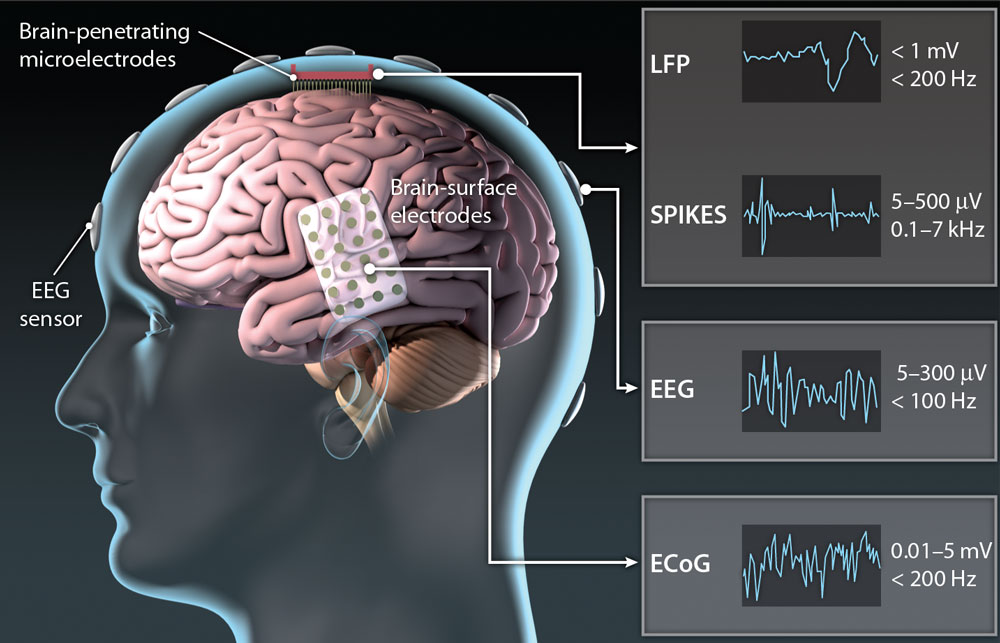
Imagine being able to control a computer or a robotic arm with nothing more than your thoughts. Mind-machine interfaces make this possible by establishing a direct link between the human brain and external devices. These interfaces can be invasive, such as surgically implanted electrodes, or non-invasive, relying on electroencephalography (EEG) or functional near-infrared spectroscopy (fNIRS) to capture brain activity.

The Potential Applications
- Healthcare: In the field of healthcare, MMIs hold immense promise. They can enable individuals with paralysis or spinal cord injuries to regain mobility and independence by controlling prosthetic limbs or exoskeletons through their thoughts. MMIs can also aid in the treatment of conditions like Parkinson’s disease or stroke rehabilitation.
- Gaming and Virtual Reality: MMIs have the potential to revolutionize gaming and virtual reality experiences. Instead of using traditional controllers, users could navigate and interact with virtual worlds using their thoughts, creating a more immersive and intuitive gameplay experience.
- Communication and Assistive Technology: For individuals with speech and motor impairments, MMIs can be life-changing. By translating thoughts into text or synthetic speech, these interfaces can enable better communication and autonomy, providing a voice to those who have difficulty expressing themselves verbally.
- Mental Health and Neurofeedback: MMIs can also play a role in mental health by providing real-time feedback on brain activity. Through neurofeedback, individuals can learn to regulate their thoughts and emotions, potentially aiding in the management of conditions like anxiety, depression, and attention disorders.

Ethical Considerations
While the possibilities offered by MMIs are awe-inspiring, they also raise important ethical questions that must be addressed:
- Privacy and Data Security: As MMIs gather sensitive brain data, ensuring the privacy and security of this information becomes crucial. Clear guidelines and regulations need to be established to protect individuals from potential misuse of their neural data.
- Informed Consent and Autonomy: The use of invasive MMIs requires surgical procedures, raising questions about informed consent and individual autonomy. Robust ethical frameworks must be developed to ensure that individuals have full agency over their decisions and are adequately informed about the risks and benefits of MMI procedures.
- Bias and Fair Access: There is a risk that MMIs may perpetuate existing biases and inequalities if they are not accessible to all. Efforts should be made to ensure that these technologies are affordable, inclusive, and do not exacerbate societal disparities.
- Ethical Boundaries and Neuroethics: MMIs challenge our understanding of consciousness, personal identity, and the boundaries between mind and machine. The field of neuroethics should actively engage in discussions surrounding the implications of MMIs on our moral and philosophical frameworks.
Conclusion
Mind-machine interfaces are on the cusp of transforming the way we interact with technology and the world around us. They offer unprecedented opportunities for individuals with disabilities, revolutionize gaming and virtual reality experiences, and hold potential for advancing healthcare and mental well-being. However, as with any groundbreaking technology, careful consideration of the ethical implications is essential to ensure that MMIs are developed and deployed responsibly.