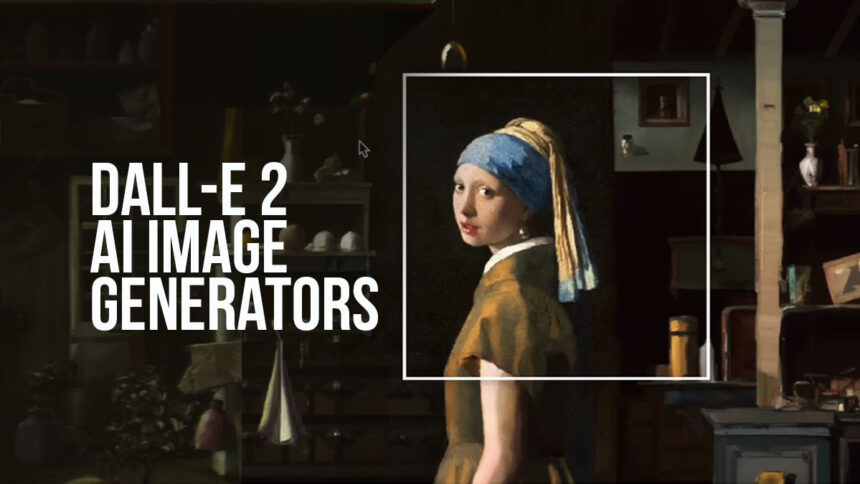
Artificial intelligence (AI) continues to push the boundaries of what is creatively feasible, and the release of DALL-E, an AI model built by OpenAI, has the potential to reshape the landscape of art in a way that cannot be reversed. DALL-E is a generative model that takes textual descriptions and uses techniques from deep learning to create visuals from those descriptions. DALL-E opens up new channels for artistic expression and challenges traditional concepts of creativity thanks to its ability to produce original and innovative artwork based on written prompts. The potential for DALL-E to bring about a sea change in the art world is the topic of discussion in this article.
Unleashing Unprecedented Creativity
The development of art that is based on written descriptions is made possible by DALL-E, which brings a new level of inventiveness to the table. This AI model can take textual suggestions and transform them into amazing and often weird pictures, pushing the boundaries of what is possible with traditional artistic techniques. DALL-E offers a never-ending supply of ideas and paves the way for the development of new artistic expression avenues, which means that creatives and artists now have the ability to venture into unexplored territory. By utilising artificial intelligence, artists are able to access the tremendous potential of DALL-E’s generative powers, so expanding the boundaries of their own creative talents.

Democratizing Artistic Creation
Democratizing Artistic Creation
The term “art” has traditionally been linked to more conventional mediums, each of which calls for a certain set of specialised abilities as well as years of dedicated practise. This concept is challenged by DALL-E, which promotes democratic practises in artistic creation. Using this artificial intelligence paradigm, anyone, regardless of their prior experience or level of technical expertise, can become an artist. Individuals are able to generate one-of-a-kind and individualised works of art by merely supplying a textual description. This democratisation of the creative process has the potential to give aspiring artists more influence, which will hopefully encourage experimentation and make it possible for a wider variety of voices and points of view to be represented in the art world.
Fostering Collaboration between AI and Human Artists
The distinction between human creativity and that of artificial intelligence is muddied by DALL-E, which paves the path for AI models and human artists to work together in the future. DALL-E is a tool that can help artists boost their own creative process by creating initial ideas or exploring unique notions. Artists can use DALL-E as a tool. The convergence of human ingenuity and computer-generated creativity can give rise to exciting artistic collaborations, in which human artists and computers work in tandem to produce works that are original and thought-provoking. The synergy that may be created when human intuition and the generating power of DALL-E are brought together has the potential to produce ground-breaking artistic collaborations and fresh artistic expressions.
Pushing the Boundaries of Visual Imagination
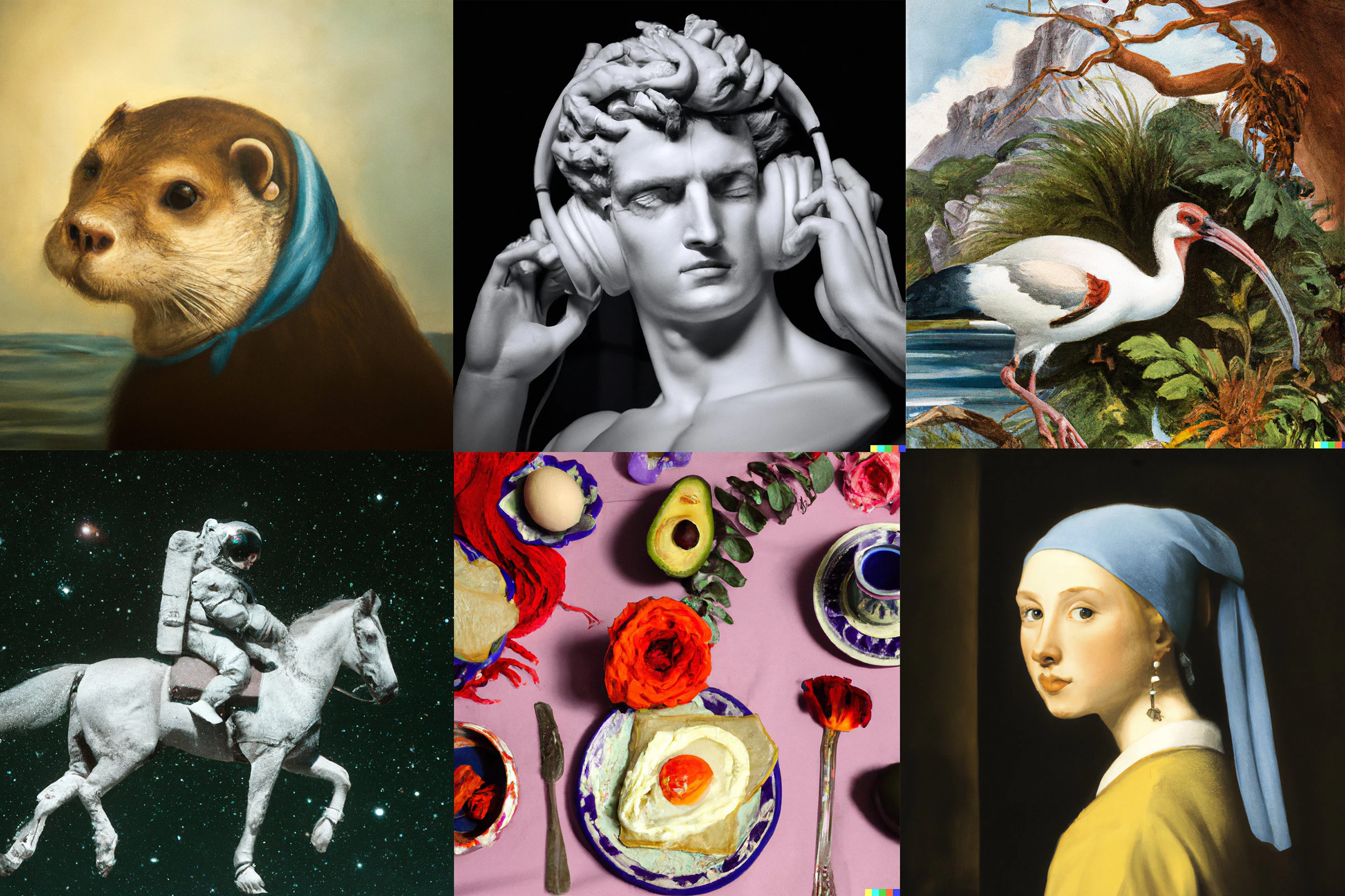
The capacity of DALL-E to generate visuals in response to textual stimuli is pushing the boundaries of what is possible for the human visual imagination. It is capable of producing pictures that push the limits of what we are able to conceive of using more conventional artistic means. DALL-E inspires artists and viewers to rethink and redefine what is possible by producing imagery that goes beyond the reality that we see on a day-to-day basis. It broadens the range of possibilities for artistic expression and enables us to delve into previously uncharted regions of the imagination. It also offers us a realm of magical and surreal imagery.
Exploring New Artistic Frontiers
The debut of DALL-E ushers in a new era of artistic exploration, one in which human and machine creation are brought together. By utilising the generative capabilities of DALL-E, artists are given the opportunity to investigate innovative ideas, experiment with distinctive approaches, and question conventional standards in the artistic world. This AI model enables artists to push the limits of conventional mediums, genres, and subject areas, resulting in the emergence of new forms of art that combine human vision with AI-generated possibilities. The world of art is about to be witness to the production of works that are ground-breaking, inventive, and push the limits of artistic frontiers in new and exciting directions.

Conclusion
The revolutionary potential of DALL-E lies in its capacity to convert textual descriptions into visually engaging artworks. DALL-E is going to forever alter the face of the art world by democratising the creation of art, stimulating collaboration between AI and human artists, pushing the limits of visual imagination, and exploring new artistic frontiers. As artists become more open to the creative opportunities presented by AI models such as DALL-E, we can look forward to a future in which traditional limitations on artistic expression will be overcome, ushering in a new era of innovative and thought-provoking artwork that pushes our perceptions to their limits and broadens the scope of what is possible within the realm of human creativity.