
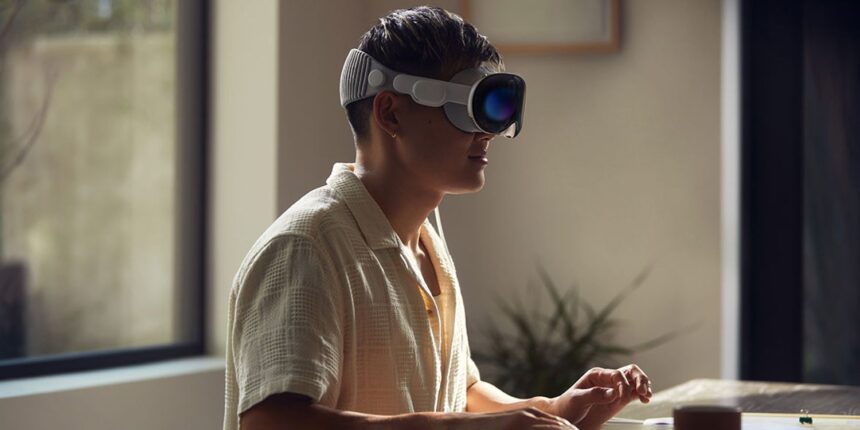
The technologies of virtual reality (VR) and augmented reality (AR) have seen tremendous development over the past several years, and it is becoming increasingly apparent that these technologies have the potential to revolutionise various parts of our lives. Virtual reality (VR) and augmented reality (AR) have the potential to revolutionise industries, improve human connections, and transform the way we perceive and interact with our environment because they give users the opportunity to create immersive experiences and superimpose digital information onto the actual world. This article explores the revolutionary potential of virtual reality and augmented reality, as well as how these technologies will affect the world.
Revolutionizing Industries
Virtual reality (VR) and augmented reality (AR) have the potential to revolutionise many different industries, including the medical field, the entertainment industry, the manufacturing sector, and the architectural field. Virtual reality (VR) can be utilised in the medical field for a variety of teaching purposes, including the simulation of surgical procedures and even the provision of assistance in the treatment of mental health conditions. AR can provide information and direction to clinicians in real time while they are performing procedures, which can improve precision and reduce error rates. Virtual reality (VR) and augmented reality (AR) have the potential to develop immersive learning environments in the field of education. These settings will allow students to tour historical places, experience scientific concepts, and participate in interactive simulations. Virtual reality (VR) and augmented reality (AR) have the potential to be used by a variety of industries, including gaming, entertainment, and design, to deliver novel and fascinating experiences that blur the lines between the real and virtual worlds.
Enhancing Remote Collaboration and Communication
Enhancing Remote Collaboration and Communication
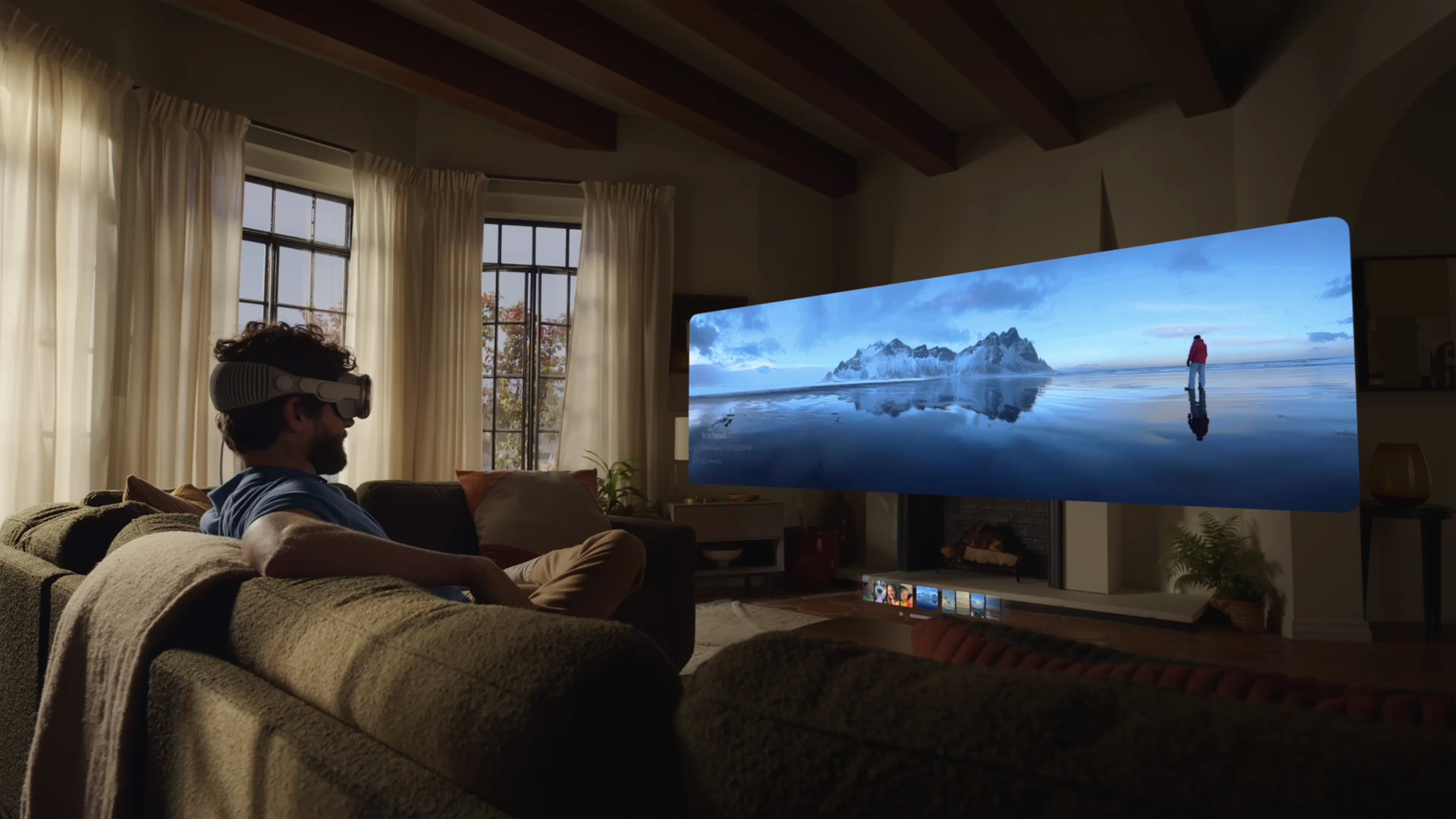
Virtual reality (VR) and augmented reality (AR) have the potential to revolutionise how we work together remotely and connect with one another. Individuals from different regions of the world are able to join together as avatars in a shared virtual environment provided virtual meeting spaces are created for them. This enables conversation that is both more immersive and engaging. This technology has the potential to remove geographical obstacles and improve teamwork, making it easier for experts to work together in seamless collaboration and stimulating creativity across a variety of industries. In addition, augmented reality can superimpose digital information onto the physical world, which paves the way for real-time cooperation and help in the form of, for example, guided maintenance or remote technical support.
Enriching Personal Entertainment and Media Consumption
Virtual reality (VR) and augmented reality (AR) have the potential to completely change the way individuals interact with and consume information. Virtual reality (VR) headsets provide users with gaming experiences that are so realistic that they feel as though they have been transported into a virtual world. This introduces a new degree of involvement. In addition, augmented reality has the potential to improve our day-to-day activities by superimposing digital information onto the real world. Augmented reality has the potential to alter how we interact with media and entertainment in our day-to-day lives, blurring the lines between the digital and physical worlds in the process. This might range from interactive museum exhibitions to personalised advertising experiences.
Transforming Training and Skill Development
Virtual reality (VR) and augmented reality (AR) technology present one-of-a-kind educational and professional development opportunities. Virtual reality (VR) has the potential to offer people a secure and supervised environment in which they may practise and improve their abilities in a variety of contexts, such as job-specific training simulations and experiential learning environments. Augmented reality (AR) has the potential to provide users with real-time assistance and teaching by superimposing pertinent information onto their field of view. These technologies have the potential to improve training in a variety of industries, including aviation, manufacturing, construction, and emergency response, resulting in practises that are both safer and more efficient.
Reshaping Personal Experiences and Empathy
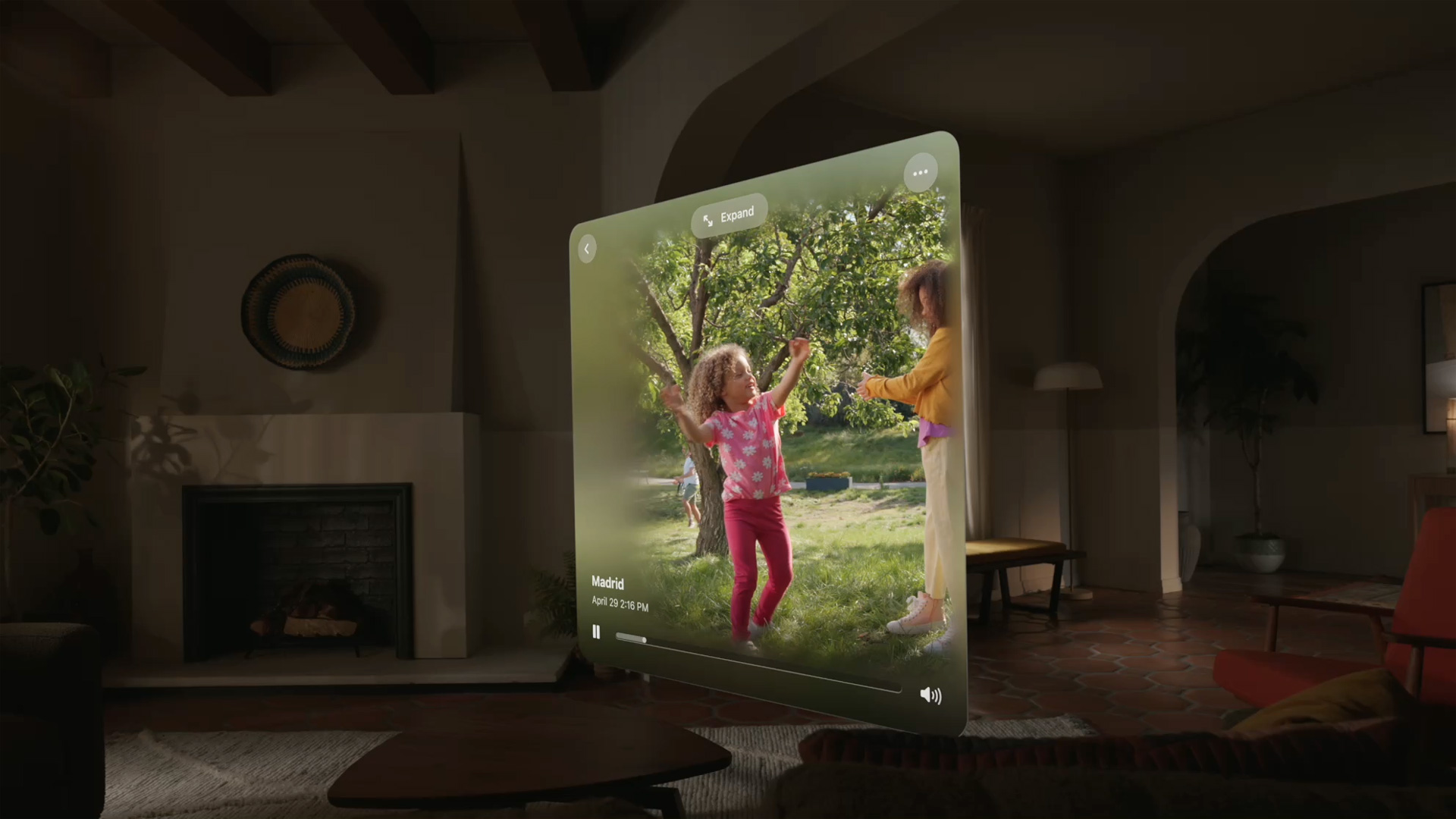
The use of virtual reality and augmented reality has the ability to modify individual experiences and cultivate empathy. Virtual reality (VR) has the potential to take users to new places and completely submerge them in other cultures, so fostering a deeper degree of understanding and empathy. For instance, virtual reality (VR) experiences can shed light on the difficulties that individuals with disabilities confront, so contributing to the promotion of inclusivity and empathy. AR may also enhance personal experiences by giving information, context, and support in real time. This enables users to traverse unfamiliar environments or learn about their surroundings in a way that is more engaging and interactive. AR can be used to enhance personal experiences.
Conclusion
The technologies of virtual reality (VR) and augmented reality (AR) are on the verge of revolutionising many facets of our lives, including the business world, the educational system, the entertainment industry, and our individual experiences. The ability of virtual reality (VR) and augmented reality (AR) technologies to generate immersive experiences, superimpose digital information on top of the physical world, and improve the ways in which we interact with the real and virtual worlds is at the heart of their transformational promise. It is reasonable to anticipate a future in which virtual reality (VR) and augmented reality (AR) will play significant roles in changing how we work, study, communicate, and experience the world around us. These technologies will continue to progress and become more accessible.