
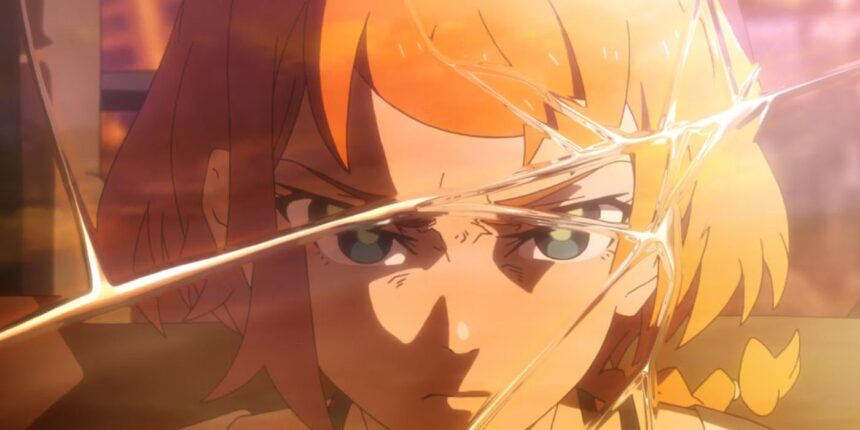
The animation industry is not an exception to the widespread progress that artificial intelligence (AI) has already made in a variety of other sectors. The field of animation is on the cusp of being completely transformed by AI as a result of recent developments in machine learning and deep learning techniques. Artificial intelligence is expected to have a significant impact on the future of animation in a variety of ways, including the simplification of production procedures and the enhancement of creative powers. In this piece, we investigate how artificial intelligence will affect the landscape of animation in the not-too-distant future.
Streamlining Animation Production
The development of animation can be a process that requires a lot of time and resources to complete. Automating and streamlining various components of the production pipeline with the help of AI technology can reduce the amount of manual labour required and speed up the workflow. For instance, AI may help automate chores such as in-betweening, lip-syncing, and background generation, which frees up animators’ time so that they can focus on more creative aspects of their job. Tools that are driven by AI can also help with motion capture, character rigging, and rendering, which enables production procedures to be carried out in a more timely and effective manner.

Enhancing Realism and Visual Quality
Animations have the potential to benefit greatly from the use of AI techniques such as machine learning and neural networks, which have the ability to bring a higher level of realism and visual quality to the medium. These artificial intelligence models may learn to imitate and generate realistic movement, texturing, and lighting effects if they are trained on vast datasets of previously created animations and then fed that data into the training process. This can lead to character animations that are more true to life, simulations of dynamic physics, and visual effects that are just breathtaking. AI can be used to assist in the creation of detailed and intricate animations, the likes of which would be difficult and time consuming to accomplish manually.
Enabling Interactive and Adaptive Animations
The advent of AI has opened the door to the development of interactive and adaptable animations that can react in real time to modifications made by users. Animations can be programmed to adapt and respond intelligently to user interactions through the application of machine learning algorithms, which can result in experiences that are both more immersive and engaging for the user. For instance, artificial intelligence can make it possible for characters to dynamically modify their behaviour in response to the actions of the user or other circumstances in their environment. This level of engagement has the potential to improve storytelling while also enabling the creation of animation experiences that are more personalised and engaging.
Empowering Procedural and Generative Animation
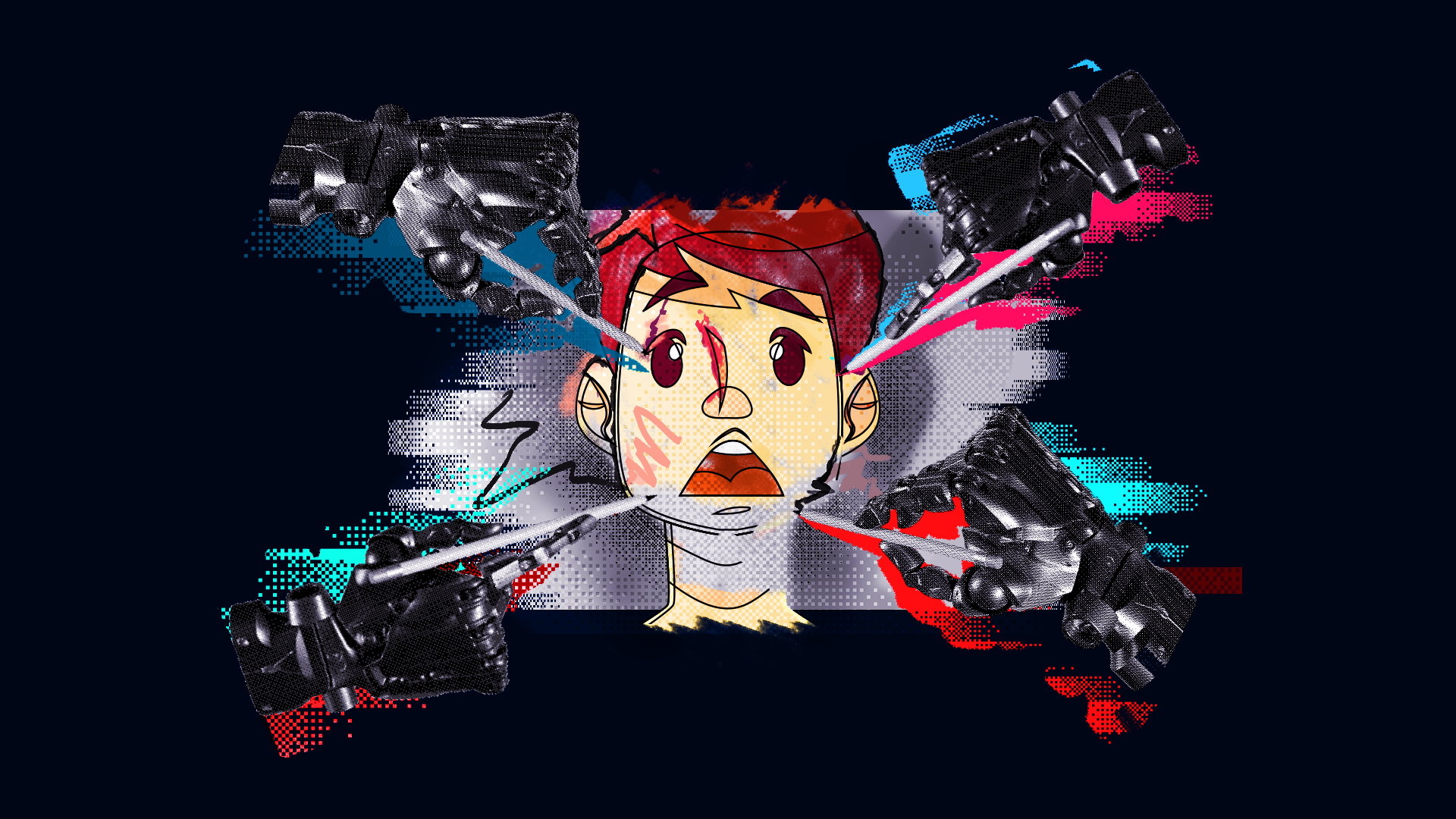
Animators’ access to procedural and generative animation techniques, made possible by AI, can dramatically enhance the range of creative options available to them. The process of procedural animation entails the use of algorithms to create animations that are based on rules and parameters, which enables the development of motion patterns that are both complicated and sophisticated. Training artificial intelligence models to generate fresh and original animations based on pre-existing examples or concepts is at the heart of generative animation. Using these techniques, animators are able to experiment with a wider variety of artistic styles, generate a greater volume of content in a more efficient manner, and develop variants.
Personalizing and Customizing Animation Experiences
Artificial intelligence has the potential to play a part in the individualization of animation experiences for users. AI algorithms have the ability to customise animations to suit individual interests and tastes by drawing on data and information provided by users. This has the potential to increase user engagement and create experiences that are more meaningful and personalised across a variety of mediums, such as films, games, and interactive storytelling platforms. Recommendation systems that are powered by AI can also make pertinent animation suggestions based on the user’s tastes, resulting in a viewing experience that is more immersive and individualised.
Conclusion
The power of artificial intelligence is going to completely revolutionise the world of animation in the years to come. The animation business is about to undergo a revolution because to advances in artificial intelligence, which will streamline production processes while also improving realism, interaction, and customization. Animators and other creators will have access to powerful tools that can speed workflows, improve visual quality, and offer new creative possibilities as AI technologies continue to advance. We may expect animations in the near future to be more immersive, visually spectacular, and personalised to individual preferences, thereby ushering in a new era of animation innovation. This will be made possible by the fusion of human creativity with automation driven by artificial intelligence (AI).