

In today’s interconnected world, Information Technology (IT) plays a pivotal role in shaping our daily lives. From the devices we use to the services we rely on, IT has become the backbone of modern society. However, for those who are new to the realm of IT, navigating its vast landscape can be intimidating and overwhelming. That’s why we have created this comprehensive guide— to demystify IT and provide beginners with a solid foundation to understand its key concepts and applications.
In this blog post, we will unravel the mysteries surrounding IT and delve into its various aspects. We will explore the fundamental components of IT infrastructure, including hardware, software, and networks. Additionally, we will shed light on emerging technologies such as cloud computing, artificial intelligence, and the Internet of Things (IoT), enabling you to grasp their significance and potential.
Understanding the Basics of IT
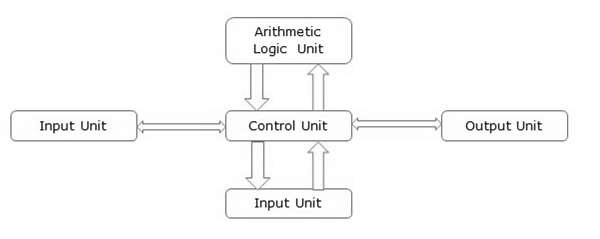
The tools, systems, and procedures used to handle and exchange information are included in the wide and complex field of information technology (IT). It’s crucial to begin with the fundamentals in order to have a thorough understanding of IT. Hardware, software, and networks make up the three main building blocks of information technology.
The physical components of the technical infrastructure are referred to as hardware. This covers any equipment needed to process and store data, such as computers, servers, laptops, and cellphones. Understanding the various hardware types and their functions is essential to understanding the potential and constraints of IT systems.
On the other side, software comprises of the applications, operating systems, and software programmes that run on the hardware. It includes a wide variety of software products, such as word processors, spreadsheet programmes, web browsers, and others. Software gives consumers the functionality and user experience we identify with technology by allowing them to interact with computers and complete specified activities.
Exploring Different IT Technologies
In today’s ever-evolving technological landscape, it is essential to explore the different IT technologies that shape our digital world. Understanding these technologies will not only broaden your knowledge but also provide insights into the possibilities and advancements that drive innovation. Let’s dive into some of the key IT technologies:
Cloud Computing
The way that organisations and individuals store, access, and use data has been revolutionised by cloud computing. It entails the pay-as-you-go delivery of computing resources—like servers, storage, databases, and software—over the internet. Because of its adaptability and scalability, cloud computing is quite well-liked. It provides users with three primary service models: Infrastructure as a Service (IaaS), which offers virtualized computing resources, Platform as a Service (PaaS), which gives developers a platform on which to create and deploy applications, and Software as a Service (SaaS), which allows users to access applications through a web browser.
Artificial Intelligence (AI) and Machine Learning (ML)
The development of computer systems that are capable of doing activities that traditionally require human intelligence, such as speech recognition, image processing, and decision-making, is referred to as artificial intelligence (AI). A subset of AI known as “machine learning” focuses on teaching algorithms to learn from and get better at using data rather than being explicitly programmed. Applications for AI and ML technologies are revolutionising a number of sectors, including healthcare, banking, and transportation. AI and ML are revolutionising how we engage with technology, from virtual assistants to driverless automobiles.
Internet of Things (IoT)
The network of physically connected, sensor-, software-, and connectivity-enabled objects that together make up the “Internet of Things” can exchange data. From wearable technology and smart home appliances to industrial sensors and infrastructure monitoring systems, IoT devices are used in a wide range of industries. Real-time monitoring, automation, and improved decision-making are made possible by the data produced by these devices. In fields including smart cities, agriculture, healthcare, and energy management, IoT has the potential to lead to significant breakthroughs.
IT Security and Privacy
In an increasingly interconnected world, the importance of IT security and privacy cannot be overstated. As technology continues to advance, so do the threats and vulnerabilities that pose risks to our digital assets and personal information. Understanding the fundamentals of IT security and implementing robust measures to protect data has become a critical aspect of both personal and organizational well-being.
IT security encompasses a range of practices and technologies designed to safeguard digital systems, networks, and data from unauthorized access, breaches, and malicious activities. It involves implementing measures such as firewalls, encryption, access controls, and intrusion detection systems to mitigate risks. By investing in strong IT security protocols, individuals and businesses can protect sensitive information, maintain the integrity of their systems, and prevent disruptions caused by cyberattacks.
Common security threats that IT professionals and individuals face include malware, phishing attacks, ransomware, and social engineering. Malware refers to malicious software designed to gain unauthorized access, damage or disrupt systems, or steal sensitive data. Phishing attacks attempt to trick individuals into providing personal information by posing as trustworthy entities. Ransomware encrypts data and demands a ransom for its release. Social engineering involves manipulating individuals to disclose confidential information or perform actions that compromise security.
To ensure robust IT security and privacy, best practices should be followed. These include regularly updating software and operating systems to patch vulnerabilities, using strong and unique passwords for all accounts, implementing two-factor authentication, and educating users about the importance of cybersecurity hygiene. Additionally, organizations should conduct regular security audits, perform vulnerability assessments, and develop incident response plans to handle potential security breaches effectively.
Privacy protection is another critical aspect of IT security. It involves safeguarding the personal information of individuals collected by organizations. With the increasing collection and utilization of personal data, privacy regulations such as the General Data Protection Regulation (GDPR) and the California Consumer Privacy Act (CCPA) have been introduced to ensure transparency and give individuals control over their data. Compliance with these regulations is crucial to maintaining trust and respecting user privacy.
IT Project Management

Effective project management is crucial for the successful implementation of IT initiatives. IT projects, ranging from software development to infrastructure upgrades, require careful planning, coordination, and execution to achieve desired outcomes within budget and timeline constraints. Let’s delve into the key aspects of IT project management.
IT project management involves overseeing the planning, organization, and control of IT projects from initiation to completion. It requires a systematic approach to ensure that projects are delivered on time, within budget, and meet stakeholder expectations. Key steps in the project management lifecycle include project initiation, planning, execution, monitoring, and closure.
During the initiation phase, project objectives, scope, and stakeholders’ requirements are defined. This phase sets the foundation for the entire project and establishes clear goals and expectations. The planning phase involves creating a detailed project plan that outlines tasks, timelines, resource allocation, and risk management strategies. Effective planning ensures that project activities are well-structured, dependencies are identified, and potential obstacles are mitigated.
The execution phase involves implementing the project plan, managing resources, and coordinating tasks to achieve project objectives. This phase requires effective communication, collaboration, and problem-solving skills to address any challenges that may arise during the project’s execution. Throughout the project, monitoring and control mechanisms are used to track progress, manage risks, and make necessary adjustments to keep the project on track.
Closing a project involves formalizing its completion, conducting post-implementation reviews, and documenting lessons learned. It allows for the evaluation of project success, identifies areas for improvement, and facilitates knowledge transfer for future projects. IT project management is not only about delivering the desired outcome but also ensuring that project deliverables align with organizational strategies and meet quality standards.
The Future of IT

The field of Information Technology (IT) is dynamic and ever-evolving, with new technologies and trends shaping its future. Understanding the direction in which IT is heading can provide valuable insights for professionals and enthusiasts alike. Let’s explore some of the emerging trends and predictions that are likely to influence the future of IT.
- Artificial Intelligence (AI) Advancements: AI is poised to revolutionize various industries with its ability to automate processes, analyze vast amounts of data, and make intelligent decisions. As AI continues to advance, we can expect to see increased adoption of AI-powered technologies in areas such as healthcare, finance, customer service, and autonomous vehicles. Natural Language Processing (NLP) and Computer Vision are also expected to make significant strides, enabling machines to understand and interact with humans in more sophisticated ways.
- Internet of Things (IoT) Expansion: The IoT is set to expand its reach, connecting an even wider range of devices and systems. Smart homes, connected cities, industrial IoT, and wearable devices are just the tip of the iceberg. As IoT devices become more prevalent, the demand for secure and scalable IoT infrastructure will grow. Edge computing, which enables processing and analysis of data at the edge of the network, is likely to gain traction to overcome the challenges of latency, bandwidth limitations, and privacy concerns associated with transmitting data to the cloud.
- Blockchain Technology: Blockchain, the decentralized and transparent ledger system, is anticipated to transform various industries beyond cryptocurrencies. Its potential applications span across supply chain management, healthcare records, identity verification, and secure financial transactions. As blockchain matures, organizations will explore ways to integrate this technology into their operations to enhance security, transparency, and trust.
- Quantum Computing: Quantum computing, still in its nascent stages, holds immense potential to revolutionize computing power and solve complex problems. Quantum computers, leveraging the principles of quantum mechanics, can perform calculations exponentially faster than traditional computers. As research and development in this field progress, we can expect breakthroughs in areas such as cryptography, drug discovery, optimization problems, and machine learning algorithms.
- Cybersecurity and Privacy Challenges: As technology advances, so do the challenges in ensuring robust cybersecurity and privacy protection. The increasing sophistication of cyber threats calls for proactive measures, including advanced authentication methods, encryption algorithms, and AI-powered security solutions. Stricter regulations and standards related to data privacy, such as the General Data Protection Regulation (GDPR) and the evolving privacy landscape, will shape the way organizations handle and protect user data.
Conclusion
In this comprehensive guide, we have embarked on a journey to demystify the realm of Information Technology (IT) for beginners. We have explored the basics of IT infrastructure, delved into different technologies such as cloud computing, artificial intelligence, and the Internet of Things, and emphasized the significance of IT security and privacy. Additionally, we have touched upon IT project management and highlighted various career pathways within the IT industry.
By gaining a solid understanding of IT fundamentals, emerging technologies, and the importance of cybersecurity, beginners can confidently navigate the ever-evolving landscape of technology. The future of IT holds exciting possibilities, with advancements in AI, IoT, blockchain, and quantum computing set to shape industries and transform the way we live and work.