
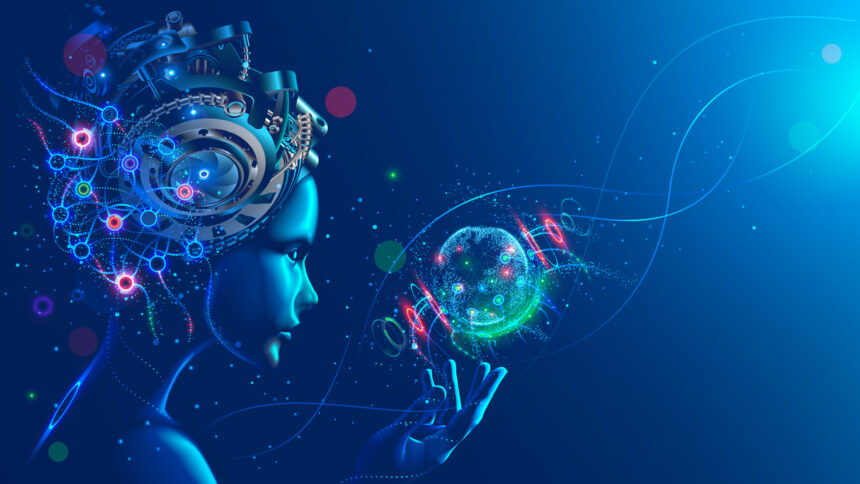
The search for Artificial General Intelligence (AGI) continues to be an enthralling and difficult endeavor in the enormous and complex realm of technology. Artificial General Intelligence (AGI) seeks to imitate human cognitive capacities, enabling computers to acquire and apply knowledge in diverse contexts, in contrast to Artificial Narrow Intelligence (ANI), which is adept at performing particular tasks. Among those interested in technology and the future, this idea generates equal parts enthusiasm and controversy. Is the development of artificial intelligence that mimics human intelligence within our grasp? Explored in this blog post are the present status of AGI, future obstacles, and consequences of attaining an intelligence comparable to that of a human.
The Current State of AGI
Right now, ANI encompasses a lot of the AI-related things we encounter. Whether it’s recommending your next favorite song or driving your car autonomously, these systems are designed to perform singular tasks. While ANI is a step in the right direction, achieving AGI calls for a quantum leap. To mimic the depth and adaptability of the human intellect, AGI must have a complete and flexible knowledge of the actual world.
We have made great progress towards this objective in the past few years. Improvements in computing power, neural networks, and machine learning have prepared the way for more sophisticated AI systems. By producing human-like text in response to a variety of inputs, projects like OpenAI’s GPT-3 have demonstrated what appears to be AGI. True artificial general intelligence (AGI) is still a theoretical goal that has not been achieved, according to experts.
The Challenges Ahead
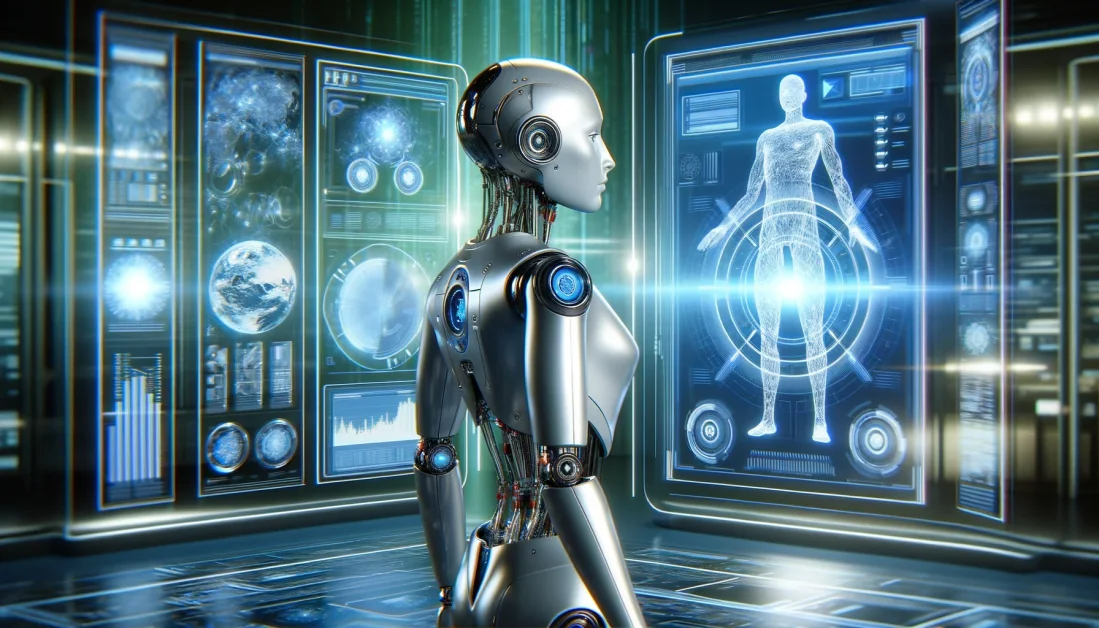
The road to AGI is fraught with technical and ethical challenges. Technically, developing AGI requires a deeper comprehension of human consciousness and cognition. How can we teach computers to think and feel like humans? Furthermore, present AI systems require enormous amounts of data to learn, whereas human learning is far more efficient. It remains a massive task to close this efficiency gap in learning.
A plethora of moral dilemmas are prompted by the development of AGI. Is there a mechanism to guarantee that AGI systems adhere to human standards of ethics and morality? So far, no one has figured out how to guarantee that AGIs will act in a human-beneficial manner—the control problem. Other issues to consider include worker displacement, social instability, and the misuse of AGI systems.
Moving Forward
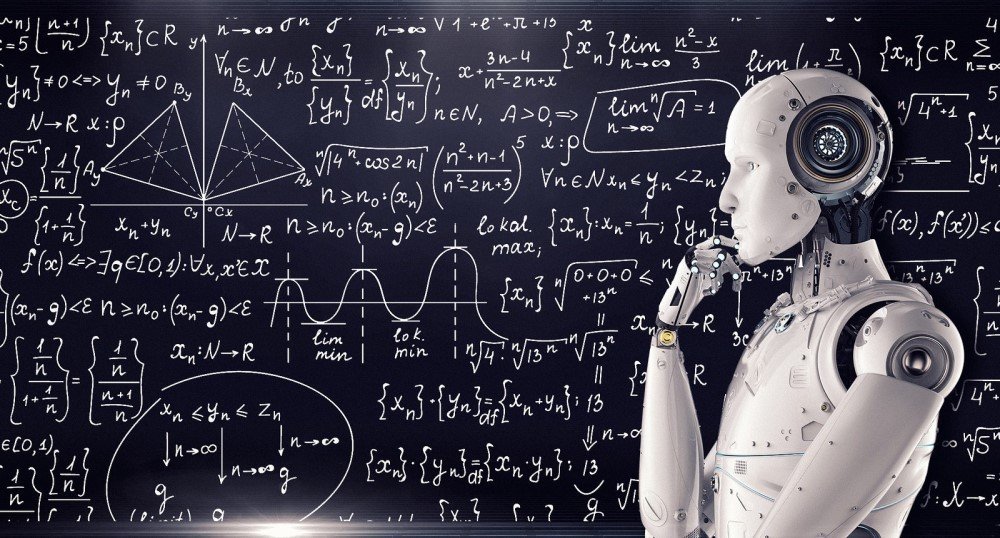
Despite these obstacles, the race towards AGI is continuing, with AI research accelerating and interest and funding rising globally. According to experts in the field, the development of artificial general intelligence (AGI) could take place this century, which could have significant societal implications.
There are many philosophical and ethical factors to think about while working on artificial general intelligence (AGI). It prompts contemplation of future human-machine cohabitation, the essence of awareness, and intelligence. To make sure that AGI helps everyone once it’s developed, researchers in the field should collaborate with ethicists, lawmakers, and society at large.

Final Thoughts
Does getting to AGI now take any less time? Certainly, but it’s a distant horizon that gets smaller the farther we get. On the road to AGI, there are many deep doubts and questions regarding what it means to understand, learn, and be intelligent. In the eyes of technologists and futurists, the search for artificial general intelligence (AGI) represents a thrilling new frontier, heralding a period of unparalleled innovation while simultaneously highlighting the immense weight of duty that accompanies such immense power.
We must exercise care and wisdom in our approach to artificial general intelligence, and we must remain resolute in our mission to ensure that AI is utilized for the betterment of mankind. Beyond simply creating machines with the ability to think, our goal in developing artificial general intelligence is to influence the future we see for ourselves.