

In recent years, foldable screens have emerged as one of the most exciting advancements in technology, promising to revolutionize the way we use and perceive our devices. From smartphones to tablets and even laptops, the allure of a screen that can fold and transform is undeniable. But are foldable screens really worth the hype? Let’s dive into the pros and cons to help you decide.
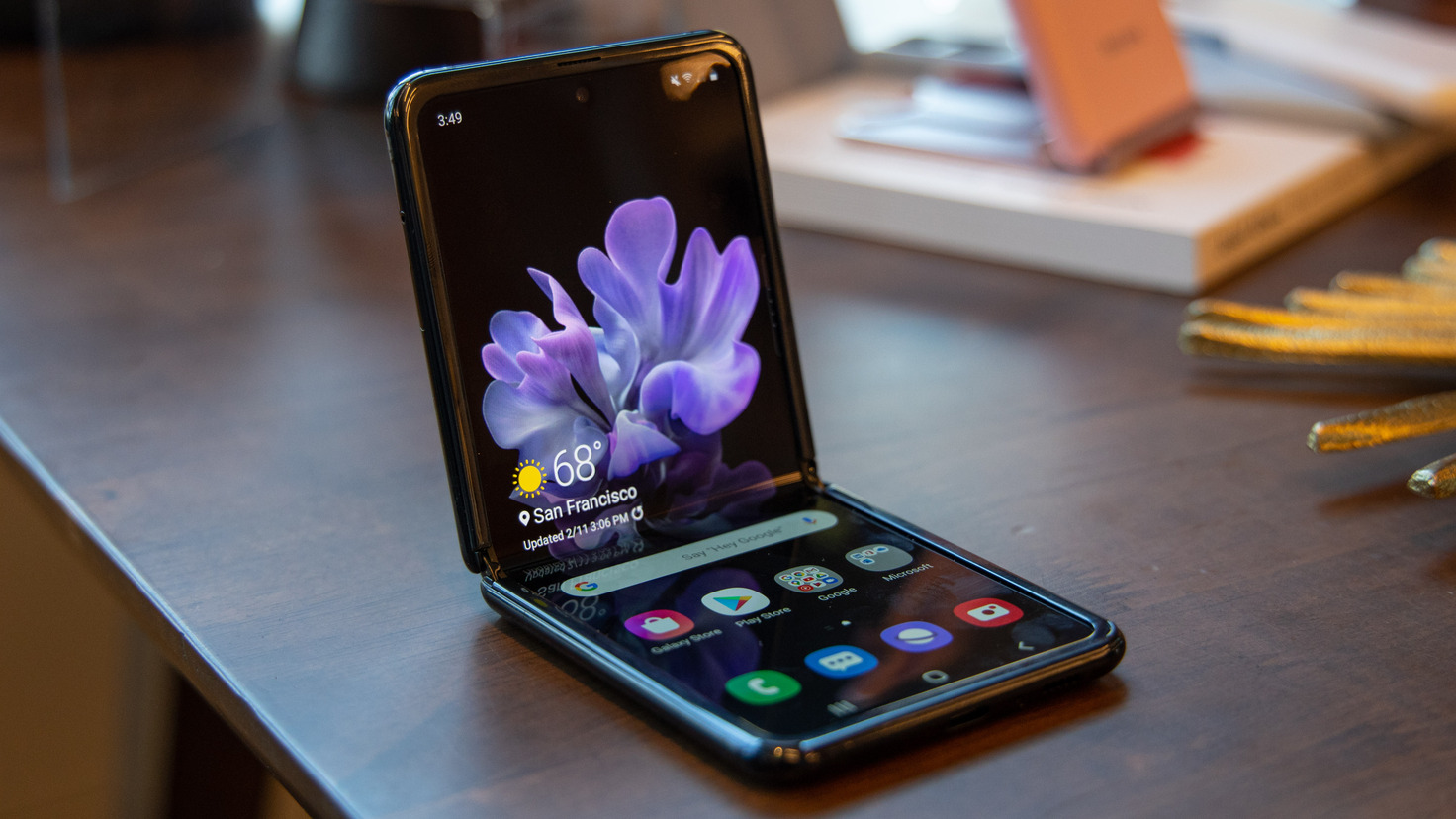
The Pros of Foldable Screens
1. Increased Screen Real Estate Without Added Bulk
One of the most significant advantages of foldable screens is the ability to have a larger display without the need for a bigger device. When unfolded, these devices offer a tablet-sized screen that enhances the experience of watching videos, playing games, or multitasking. This increased screen real estate is a game-changer for productivity and entertainment, allowing users to enjoy a more immersive experience without carrying around a bulky device.
2. Enhanced Multitasking Capabilities
Foldable screens can significantly boost productivity by enabling better multitasking. With a larger, flexible display, users can easily split the screen to run multiple apps simultaneously. For instance, you can have your email open on one side while browsing the internet on the other, or take notes during a video call without switching between apps. This seamless multitasking is a major selling point for business professionals and multitaskers alike.
3. Innovative and Trendy Design
Let’s face it: foldable screens are undeniably cool. They represent the cutting edge of technology, and owning a foldable device can make you feel like you’re living in the future. The sleek, innovative design is a strong appeal for tech enthusiasts who love to be early adopters of the latest gadgets. Additionally, the ability to transform a compact phone into a larger device with a simple fold is not just practical but also fascinating to witness.
4. Space Efficiency
For those who value portability, foldable screens offer a compact solution without compromising on screen size. When folded, these devices can easily fit into pockets or small bags, making them convenient for people who are always on the go. This space efficiency is particularly beneficial for travelers and commuters who need to carry their gadgets around without the added bulk.

The Cons of Foldable Screens
1. Durability Concerns
While foldable screens are designed to be flexible, their durability is still a significant concern. The hinge mechanisms and the foldable displays themselves are more susceptible to wear and tear compared to traditional smartphones. Issues such as screen creases, hinge failures, and general fragility have been reported by some users, raising questions about the long-term durability of these devices. Manufacturers are continuously improving their designs, but it’s something to consider if you’re thinking about investing in a foldable device.
2. High Cost
Foldable devices come with a premium price tag. The advanced technology and engineering required to produce foldable screens make them significantly more expensive than their non-foldable counterparts. For many consumers, the cost can be a major barrier to entry. While prices are expected to decrease as the technology becomes more widespread, foldable screens currently represent a considerable investment.
3. Software Optimization
Another challenge with foldable screens is ensuring that software applications are optimized for the unique form factor. While major apps and operating systems are gradually adapting to the foldable trend, there are still many applications that may not take full advantage of the larger, flexible display. This can result in a suboptimal user experience, with apps not scaling properly or utilizing the screen space effectively.
4. Battery Life
Foldable screens typically consume more power due to their larger display area and the need to power multiple components. This can lead to shorter battery life compared to traditional devices. Although manufacturers are working on improving battery efficiency, current foldable devices often require more frequent charging, which can be a downside for heavy users who rely on their devices throughout the day.

Are Foldable Screens Worth the Hype?
The answer to whether foldable screens are worth the hype largely depends on your personal preferences and needs. If you’re a tech enthusiast who loves to be at the forefront of innovation and doesn’t mind the premium price, a foldable device can be an exciting and practical addition to your gadget collection. The benefits of increased screen real estate, enhanced multitasking capabilities, and the cool factor can make them a worthy investment.
However, if durability concerns, high costs, and potential software issues are deal-breakers for you, it might be wise to wait until the technology matures further. As manufacturers continue to refine their designs and bring down costs, foldable screens are likely to become more accessible and reliable in the near future.
Ultimately, foldable screens represent a significant leap forward in technology, offering a glimpse into the future of mobile devices. Whether they’re worth the hype right now depends on your willingness to embrace the cutting edge, along with its current imperfections. As with any new technology, weighing the pros and cons carefully will help you make the best decision for your needs.