
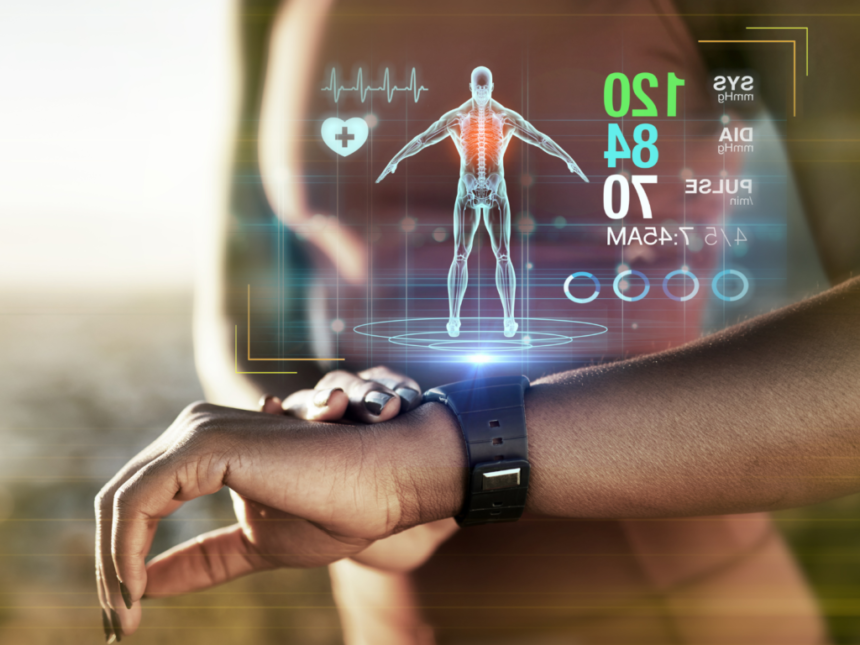
In a world where technology is seamlessly woven into the fabric of our daily lives, health monitoring wearables have emerged as silent guardians of our well-being. From smartwatches that track our heart rates to fitness bands that count our steps, these unassuming devices are revolutionizing the way we perceive and manage our health. In this blog post, we’ll explore the growing significance of health monitoring wearables in healthcare and how they are reshaping the landscape of personal wellness.
The Evolution of Health Monitoring Wearables
Gone are the days when healthcare was confined to the sterile confines of hospitals and clinics. Today, with the advent of health monitoring wearables, individuals have the power to take control of their health in the comfort of their own homes. The journey of these wearables began with simple pedometers, but has since evolved into a sophisticated array of devices equipped with advanced sensors and algorithms.

Empowering Individuals to Make Informed Choices
One of the most compelling aspects of health monitoring wearables is their ability to empower individuals with real-time data about their health status. Whether it’s monitoring heart rate variability during exercise or tracking sleep patterns throughout the night, these devices offer valuable insights that enable users to make informed decisions about their lifestyle choices.
For example, by analyzing patterns in activity levels and sleep quality, individuals can identify areas for improvement and take proactive steps to enhance their overall well-being. Moreover, the gamification features present in many wearables add an element of fun and motivation to the process, encouraging users to stay engaged with their health goals.
Integration into Clinical Practice
Beyond empowering individuals, health monitoring wearables are also playing an increasingly integral role in clinical practice. Healthcare providers are leveraging data collected from these devices to gain deeper insights into their patients’ health and make more informed treatment decisions.
For instance, wearable devices can provide valuable data for managing chronic conditions such as diabetes and hypertension. By continuously monitoring key metrics like blood glucose levels and blood pressure, healthcare providers can detect trends and intervene early to prevent complications.

Challenges and Opportunities
While the potential of health monitoring wearables is vast, they are not without their challenges. Privacy concerns, data accuracy, and interoperability issues are just a few of the hurdles that must be addressed to fully realize their potential in healthcare.
Moreover, there is a need for greater collaboration between technology developers, healthcare providers, and regulatory bodies to ensure that these devices meet rigorous standards of safety and efficacy. However, despite these challenges, the opportunities afforded by health monitoring wearables are too significant to ignore.
Looking Towards the Future
As technology continues to advance at a rapid pace, the future of health monitoring wearables holds boundless possibilities. From the integration of artificial intelligence and machine learning algorithms to the development of wearable devices capable of detecting early signs of disease, the potential for innovation in this field is truly limitless.
Furthermore, as the global population ages and chronic disease rates continue to rise, the importance of preventive healthcare measures will only become more pronounced. Health monitoring wearables have the potential to shift the paradigm from reactive to proactive care, ultimately improving outcomes and reducing healthcare costs.

Conclusion
Health monitoring wearables represent a paradigm shift in the way we approach healthcare. By putting the power of information directly into the hands of individuals, these devices are empowering us to take control of our health like never before.
From tracking our daily activity levels to monitoring our vital signs in real-time, health monitoring wearables are revolutionizing the way we perceive and manage our well-being. As we look towards the future, the potential for innovation in this field is immense, offering new opportunities to improve health outcomes and enhance quality of life for people around the world.
So, whether you’re a fitness enthusiast looking to optimize your workouts or a healthcare provider seeking new tools to enhance patient care, the rise of health monitoring wearables signals a transformative shift towards a healthier and more connected future. Embrace the possibilities, and let these wearable wonders be your everyday health heroes.