

Since its early days as a collection of simple devices that counted steps and monitored heart rate, wearable technology has come a long way since those early days. Throughout the years, it has developed into highly advanced healthcare assistants that play an essential part in ensuring that our health and wellbeing are constantly monitored. In this piece, we will delve into the fascinating history of wearable technology, beginning with its humble beginnings as fitness trackers and progressing all the way up to its current state as sophisticated healthcare assistants.
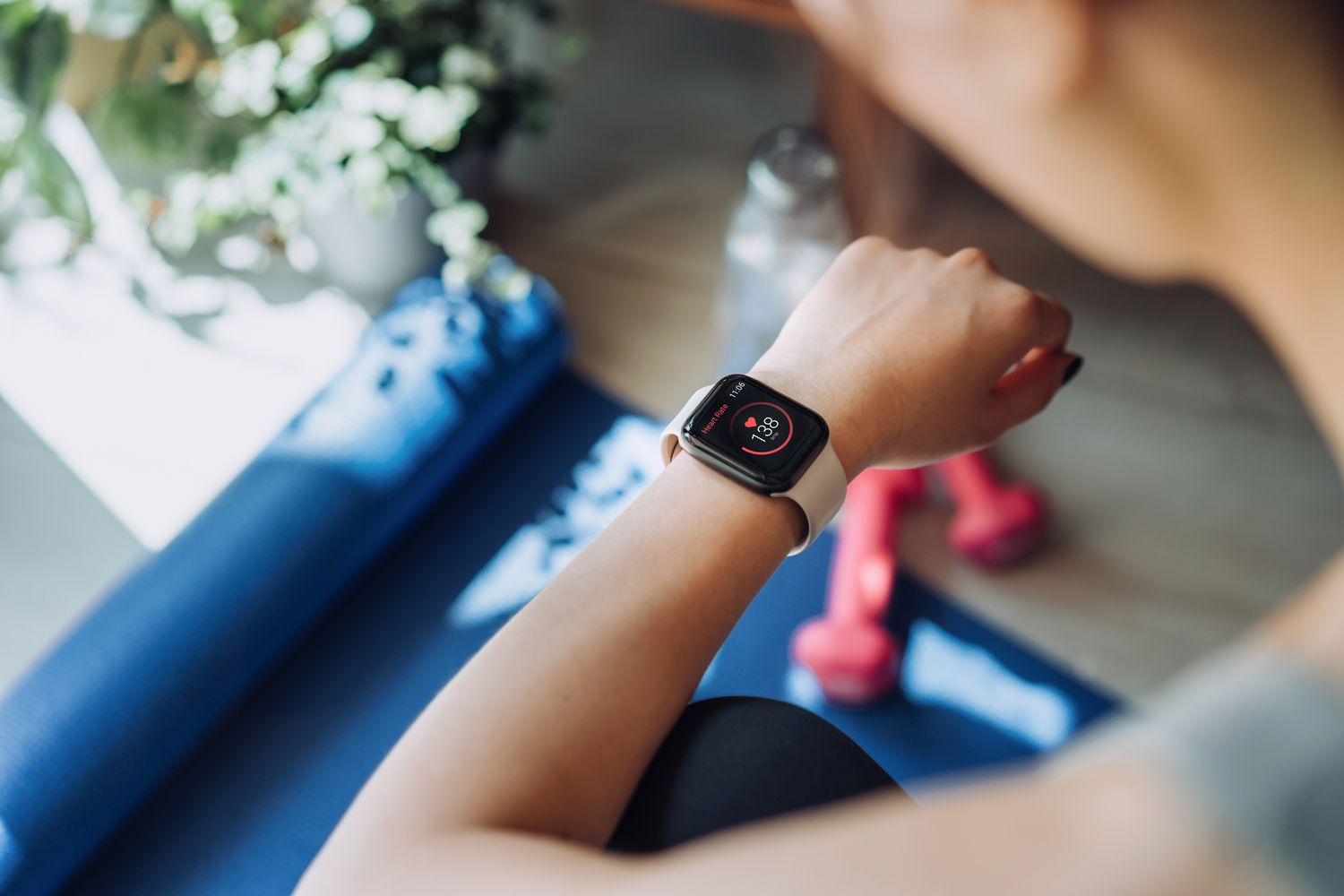
The Rise of Fitness Trackers:
During the early stages of the development of wearable technology, fitness trackers like pedometers and early smartwatches were among the first products to hit the market. The capacity of these devices to record the number of steps taken, the distance travelled, and the calories burned contributed to their rise in popularity. They provided insightful information about the users’ daily activity levels, which encouraged users to lead more active lifestyles.
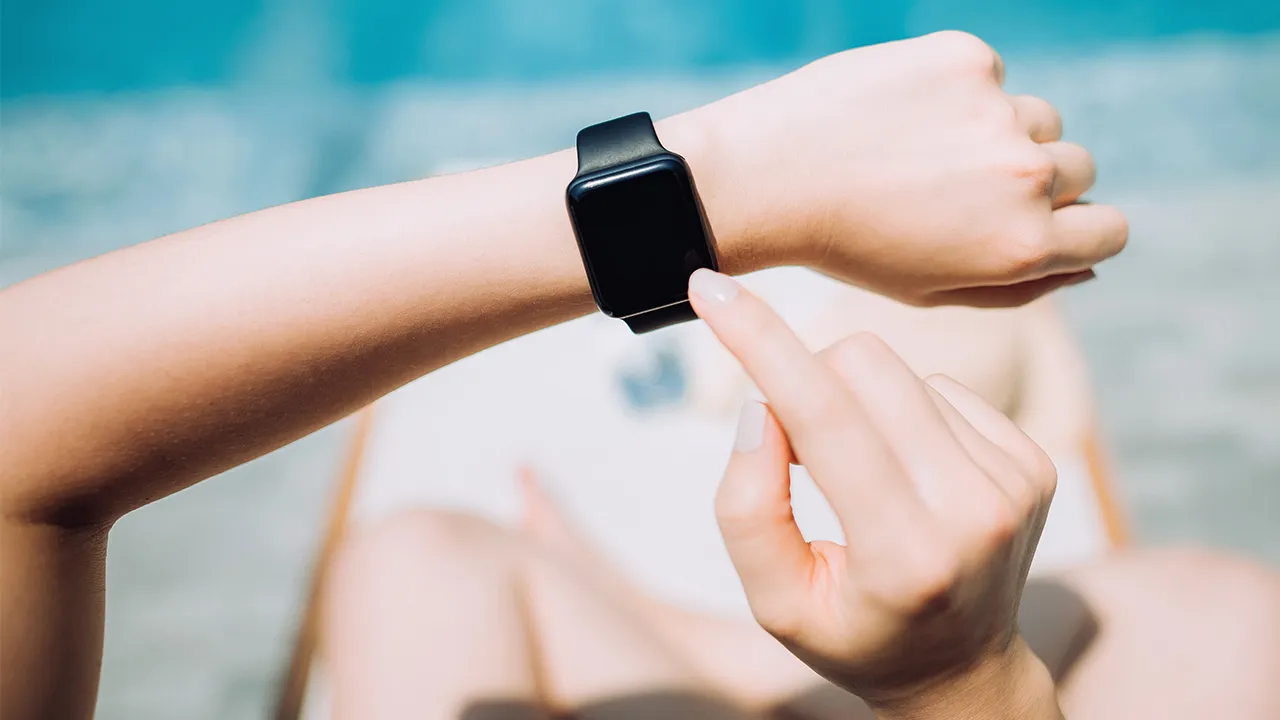
From Gadgets to Fashion Statements:
As technological progress continued, wearables went from being straightforward electronic devices to sophisticated additions to people’s wardrobes. Tech companies became aware of the significance of aesthetics and began collaborating with fashion brands to develop wearable devices that effortlessly combined style and technology in order to appeal to a wider audience.
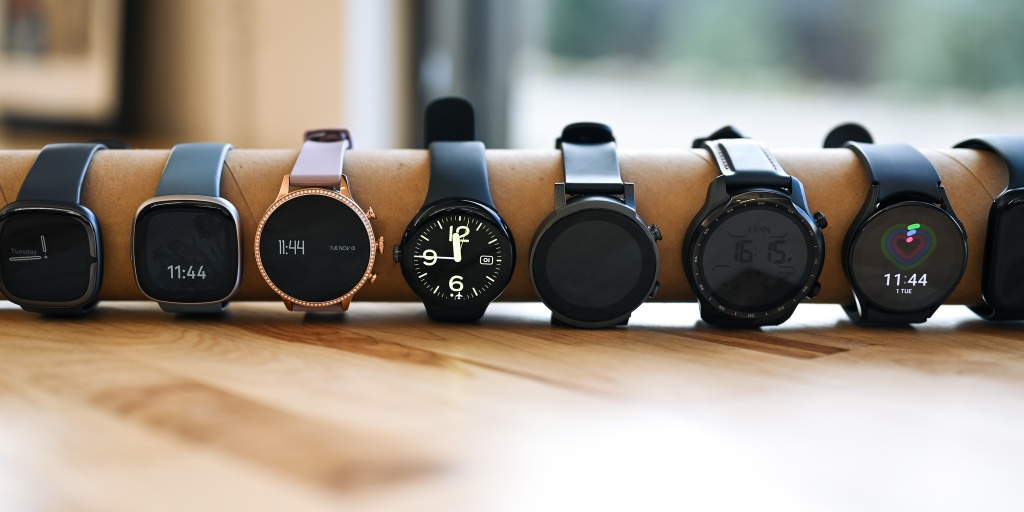
The Era of Smartwatches:
The wearables industry experienced a sea change when smartwatches were first introduced. These multi-functional devices not only tracked fitness metrics but also allowed users to check messages, make calls, and interact with apps directly from their wrists. For example, one of the fitness metrics that was tracked was heart rate. Because they offer a more convenient and connected experience, smartwatches quickly became an essential component of everyday life.
Health Monitoring and Vital Insights:
Wearables have developed into powerful tools for health monitoring as a result of advancements in sensor technology. Wearable technology has advanced to the point where it can now monitor not only a person’s heart rate but also their sleep patterns, stress levels, and even their blood oxygen saturation. These fundamental realisations have proven to be extremely helpful in enabling individuals to take responsibility for their own health and wellbeing.
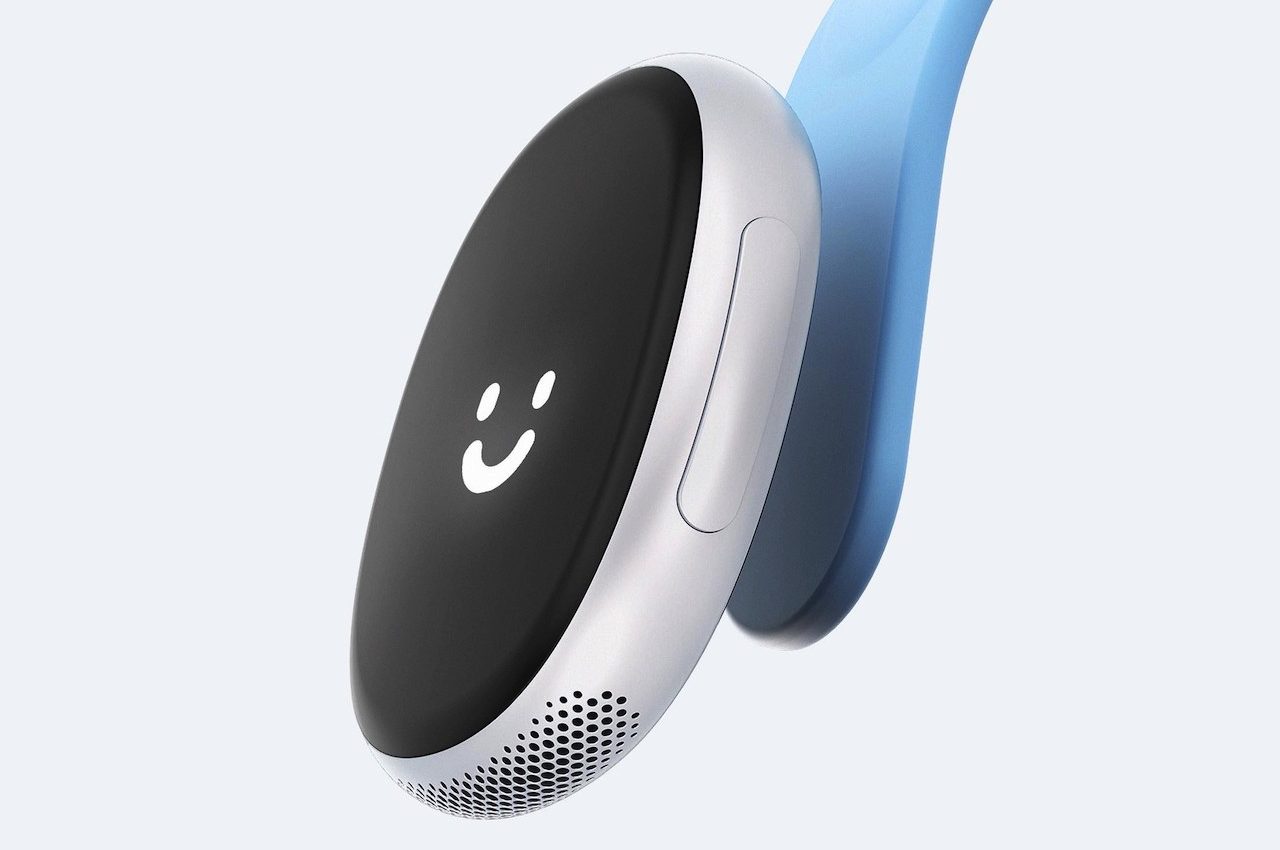
Healthcare Assistants: Beyond Fitness Tracking:
Wearable technologies of the modern era have advanced far beyond their original function as simple health monitors to become full-fledged assistants in medical care. They are able to monitor a broad spectrum of health parameters, including blood pressure, blood glucose levels, and even electrocardiograms (ECGs). Because of these highly developed features, wearables have become extremely useful tools for people who are managing their chronic health conditions.
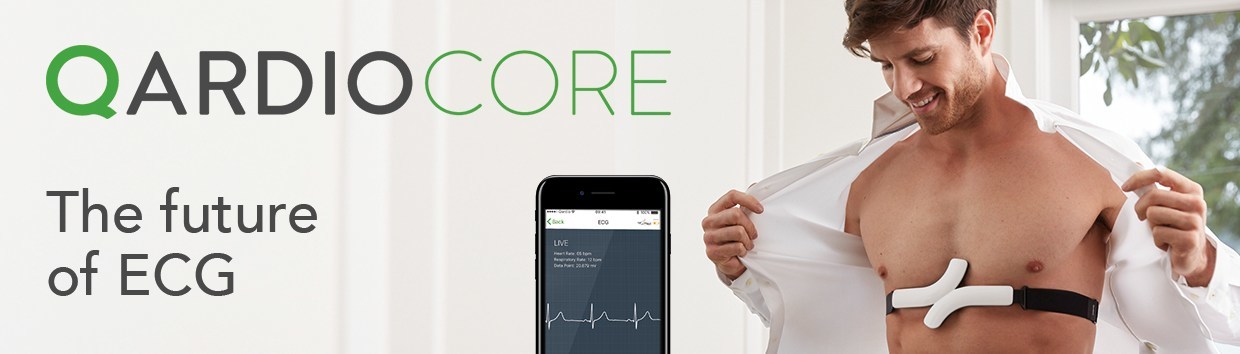
Wearable ECGs and Remote Patient Monitoring:
The ability of wearable technology to provide remote patient monitoring is one of the most significant contributions it has made to the field of healthcare. For instance, wearable ECGs enable medical professionals to detect irregular heart rhythms and provide timely interventions, even when they are located at a distance from the patient. This has proven to be essential in the management of cardiovascular diseases and the reduction of readmissions to hospitals.
Future Possibilities: Wearables and Predictive Health:
When looking to the future, wearable technology holds a great deal of promise for predictive health applications. Artificial intelligence-powered algorithms are able to recognise patterns and trends in large amounts of health data collected from wearables. This can lead to the early detection of potential health problems. This capacity for prediction has the potential to revolutionise preventative healthcare and improve health in general.
Conclusion:
The advancement of technology that can be worn has been nothing short of extraordinary to witness. Wearable technology, which can range from straightforward activity monitors to complex medical assistants, has rapidly become an essential component of our day-to-day lives, giving us the ability to take greater control of our health and wellbeing. Wearable technology has virtually limitless potential applications in the future, which bodes well for a society in which preventative health monitoring is the norm. It is safe to say that the impact that wearable technology will have on the healthcare industry as a whole and on individuals’ ability to manage their own health will be nothing short of revolutionary as it continues to advance.