
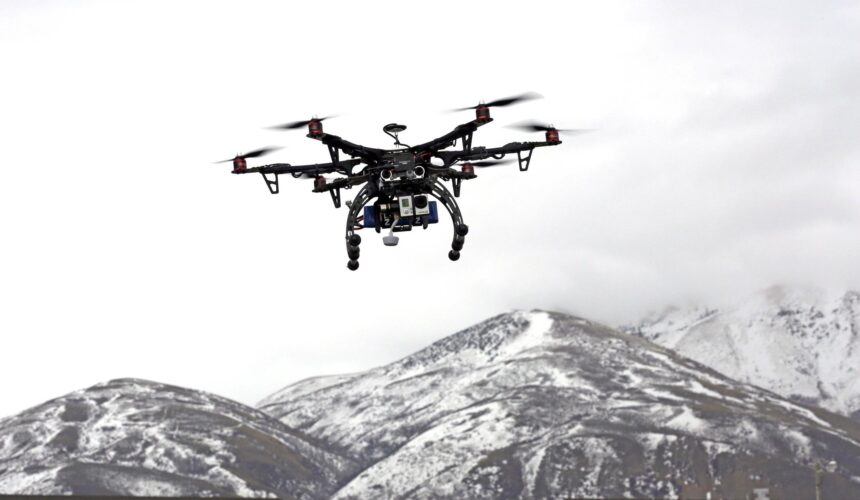
Drones, which are unmanned aerial vehicles (UAVs) loaded with cutting-edge technology, are swiftly becoming the next big thing across a wide range of industries and sectors, and they have the potential to undergo radical transformation. Drones are revolutionising old practises and opening up new avenues of possibility in a variety of fields, including aerial photography, delivery services, inspections of infrastructure, and emergency response. In this essay, we will investigate the reasons why drones are the next big thing, as well as the extraordinary ways in which they are altering the future.
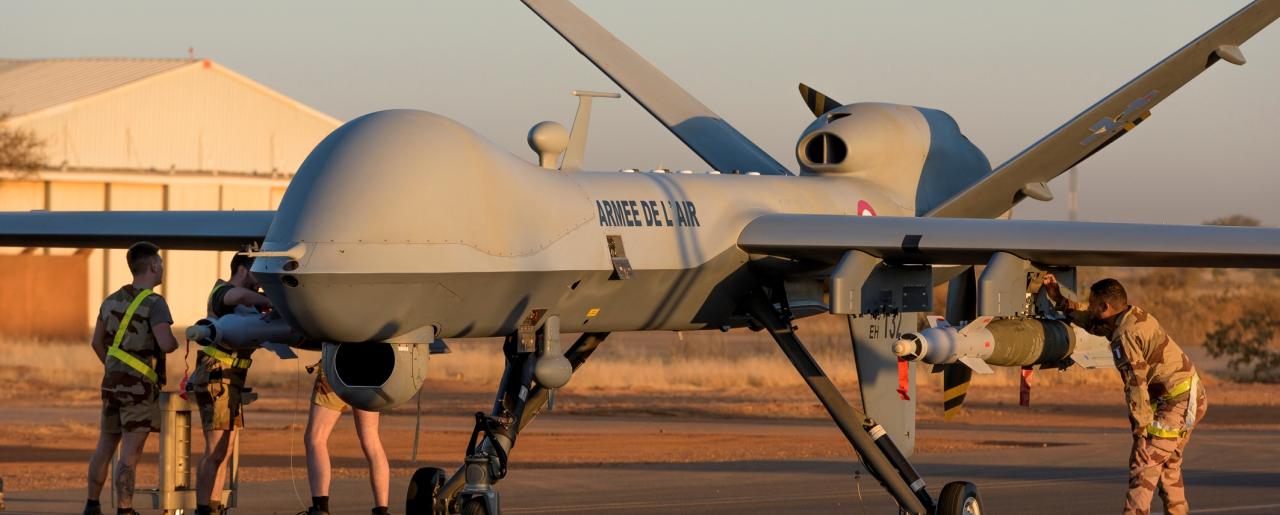
Versatile Applications Across Industries
Drones are finding uses in a very wide variety of businesses, which makes them adaptable instruments that can be used for a lot of different things. The use of drones in agriculture is bringing about revolutionary changes in crop monitoring, precision farming, and spraying, all of which are aimed at increasing agricultural yields while simultaneously decreasing overall resource use. Drones make it possible to do aerial mapping, site inspections, and progress monitoring in the building and infrastructure industries, thereby improving both productivity and safety. The motion picture and still photography industries both stand to gain from the breathtaking aerial pictures and cinematic footage that can be recorded with drones. In addition, drones are making their mark in a variety of industries, including logistics, search and rescue operations, environmental monitoring, and many others, which demonstrates the transformative potential of this technology.
Advanced Sensor Technologies and Data Collection
Advanced sensor technologies, such as high-resolution cameras, thermal imaging, LiDAR, and multispectral sensors, are typically installed aboard drones. Drones equipped with these sensors are able to capture large volumes of data in a timely and effective manner. Drones can give useful insights and data for analysis and decision-making by capturing aerial imagery, doing remote sensing, or monitoring environmental conditions. The capacity to acquire real-time data from above provides a multitude of advantages, including enhanced resource management, heightened situational awareness, and more informed strategic planning.
Enhanced Efficiency and Cost Savings
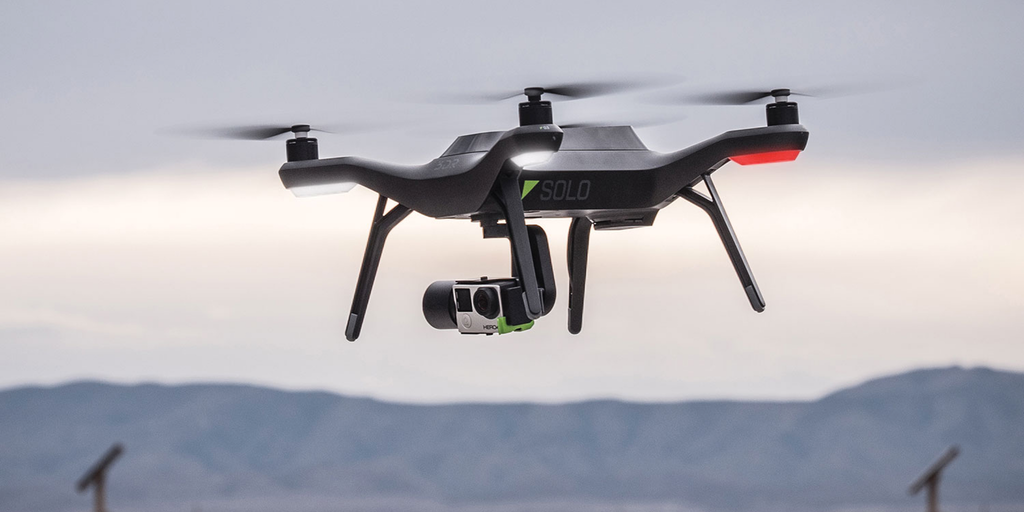
Many different types of businesses can benefit from increased productivity and reduced expenses thanks to drones. When compared to conventional approaches, the amount of time and resources needed for the collecting of data over wide areas can be cut by a significant amount using drones in fields such as agriculture and the inspection of infrastructure. Drones eliminate the need for humans to be present in dangerous or inaccessible areas, which not only improves overall safety but also reduces the expenses involved with using equipment and manual labour. Drones are an appealing option for organisations that are looking to simplify their operations and enhance their bottom line because of their increased efficiency as well as their cost-effectiveness.
Innovation in Delivery and Logistics
The industries of distribution and logistics are getting a major boost from drone technology. Drones have the capacity for autonomous flight and the ability to handle hard terrain, which enables them to convey items in a swift and efficient manner, particularly in locations that are remote or inaccessible. E-commerce, the delivery of medical supplies, and relief efforts in the aftermath of natural disasters are among the uses that businesses are investigating for drone delivery services. Drones create a new paradigm for last-mile logistics since they circumvent traditional modes of transportation, which allows them to offer shorter delivery times and reduces the amount of traffic congestion.
Advancements in Drone Technology
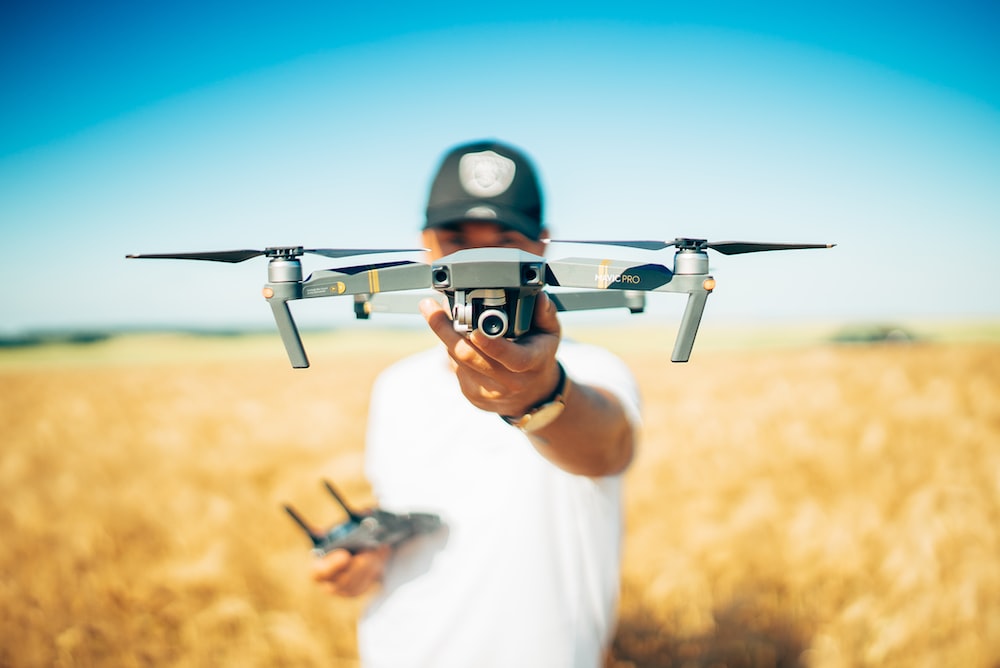
The rapid proliferation of drones as a tool is being fueled and enabled by technological advances that are pushing the frontiers of creativity. Drones are seeing their capabilities increase thanks to advances in miniaturisation of their component parts, advancements in battery life, and the creation of more complex flight control systems. Drones are being equipped with autonomous capabilities thanks to the development of artificial intelligence and machine learning algorithms. These capabilities allow drones to explore complex settings, avoid obstacles, and adapt to changing situations. Because of these improvements, it is now possible for drones to carry out responsibilities that are progressively more difficult and to further interact with other new technology.
Conclusion
Drones are poised to become the next big thing, which will radically alter several industries and significantly impact the future. Drones offer new perspectives and insights thanks to their diverse applicability across a wide range of industries, powerful sensor technology, and data collection capabilities. They improve productivity, cost savings, and safety while pushing the limits of innovation in their respective fields. We may anticipate that drones will play an ever more vital part in a variety of industries, ranging from delivery and logistics to agriculture, infrastructure, and beyond, as drone technology continues to make advances and advance forward. Drones are a game-changer because of their transformative potential, which is revolutionising old practises and opening exciting options for a wide range of applications in our ever-changing world.