

The development of autonomous technology has been proceeding at a steady pace, and the year 2023 represents an important turning point on the road to widespread autonomy. This year is positioned to become the catalyst for autonomation, which refers to the seamless integration of automation and human intelligence. With breakthroughs in artificial intelligence, robotics, and automation, this year is poised to become the catalyst for autonomation. In this article, we examine how the year 2023 may become known as the “year of autonomy” and the revolutionary impact this phenomenon may have on a variety of sectors of the economy as well as everyday life.

The Rise of Autonomous Vehicles
The research and development of autonomous vehicles has been going on for years, but 2023 will see a dramatic acceleration in the deployment and adoption of these vehicles. Self-driving cars are becoming increasingly prevalent on the roads as a result of the efforts of companies such as Tesla, Waymo, and Cruise, who are making substantial advancements in the technology behind autonomous driving. Vehicles are able to navigate and respond to real-world conditions with an increasing level of precision and safety thanks to advances in sensors, artificial intelligence algorithms, and data processing capabilities. The recent developments in driverless cars are poised to bring about a sea change in the transportation sector, ushering in a new era of increased road safety, diminished gridlock, and fundamentally different modes of conveyance.
Automation in Manufacturing and Industry
2023 is witnessing a new wave of automation that is powered by breakthroughs in robotics and artificial intelligence. Automation has been a cornerstone of industrial progress for a very long time. Autonomous robots and intelligent systems are already taking over monotonous work in a variety of settings, including factories and warehouses. This has led to an increase in both efficiency and productivity. Collaborative robots, also known as cobots, are now working alongside human employees to enhance their capabilities and make the workplace safer for everyone. The combination of human intelligence and automation is helping to streamline business processes, which in turn enables manufacturers to make items more quickly, with greater precision, and at a lower cost.
Autonomous Drones and Delivery Services
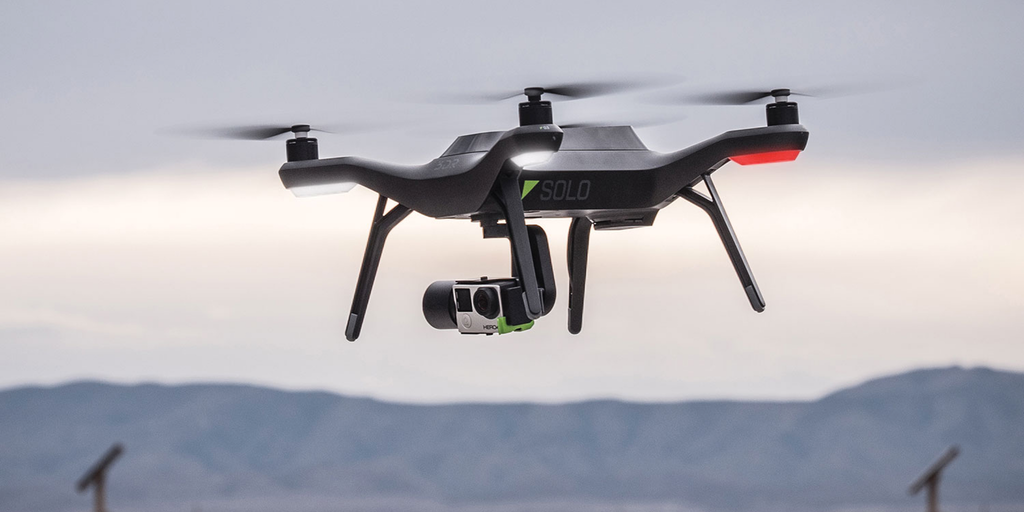
Drones have developed into multipurpose equipment that can be used in a variety of contexts, including delivery services. It is anticipated that autonomous drones would revolutionise last-mile delivery by the year 2023, particularly in urban areas. Investments in autonomous drone technology are being made by businesses such as Amazon and Google’s Wing in order to facilitate the delivery of items in a quicker and more effective manner. Drones that are programmed with artificial intelligence algorithms and have access to modern navigation systems are able to navigate complex airspace, recognise potential impediments, and deliver packages on their own. This new innovation has the potential to revolutionise the logistics and e-commerce industries by making delivery solutions that are both more efficient and friendlier to the environment.
Autonomation in Healthcare
The field of healthcare is another one that is seeing the transformational effects of autonomous technology. Robots are currently being utilised to facilitate surgical procedures, automate mundane jobs, and improve the quality of care provided to patients. Surgical robots, for instance, allow for procedures that are both more accurate and less invasive. This lowers the likelihood of mistakes being made by humans and leads to better outcomes for patients. Systems that are powered by artificial intelligence analyse huge amounts of medical data to provide assistance in diagnoses, the discovery of new drugs, and the creation of personalised treatment programmes. The implementation of automation in healthcare is causing a sea change in the provision of medical services, as well as an increase in overall efficiency and an improvement in the quality of treatment provided to patients.

Smart Homes and Intelligent Assistants
In the year 2023, there is an explosion of smart houses and intelligent assistants that make use of AI and automation to make day-to-day life easier and more convenient. Autonomation is simplifying processes and delivering a more seamless and personalised living experience. This is happening across a variety of platforms, including voice-activated virtual assistants like Amazon’s Alexa and Google Assistant, as well as linked home appliances and security systems. Intelligent assistants allow users to control aspects such as the lighting, temperature, and entertainment systems, whereas smart appliances reduce the amount of energy used while simultaneously improving convenience. The process of turning homes into intelligent ecosystems that can adapt to our requirements and provide a higher level of comfort and productivity is referred to as autonomy.
Conclusion
The year 2023 will usher in a period of profound change brought on by automation in both business and everyday life. The convergence of artificial intelligence, robotics, and automation is leading us swiftly towards a future in which humans and machines will work together in perfect harmony, resulting in improvements in efficiency, security, and convenience. Every sector of the economy is being disrupted by the rise of automation, from the transportation sector, which is being transformed by autonomous vehicles, to the industrial sector, which is being transformed by robots. The year 2023 is a key turning point that represents the beginning of a new period of innovation, efficiency, and progress. This new era will be ushered in by the incorporation of autonomy and automation into our everyday life.