

There is no question that artificial intelligence (AI) has made great progress in transforming a variety of businesses and sectors, which has in turn revolutionised the way in which we live and work. However, there are still areas of study that are, for the most part, immune to the influence of AI. These fields require the one-of-a-kind expertise, originality, and “human touch” that cannot be imitated by robots and will likely never be. In this piece, we take a look at a few of these domains and consider the enduring worth of human expertise.
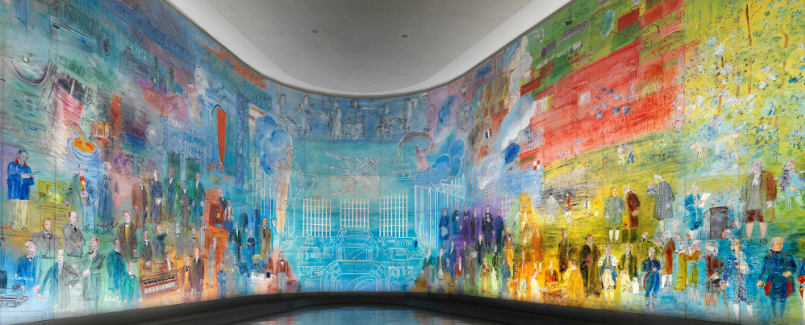
Creative Arts
The human imagination, feelings, and the ability to articulate them all play a significant role in the success of the creative arts, which include painting, sculpture, writing, music, and dance. The richness of human experiences and the ability to pour one’s own emotions into one’s creations is something that cannot be replicated by AI algorithms, even though these algorithms are able to make artwork and compose music. The process of creating art requires reflection, interpretation, and the ability to transmit one’s own unique perspective, all of which are fundamentally human attributes.

Emotional Intelligence and Counseling
Emotional Intelligence and Counseling
Empathy, comprehension, and the capacity to connect with people on an emotional level are all aspects that fall under the umbrella of the study of emotional intelligence. Although AI is capable of analysing massive amounts of data and providing information, it is not yet at the level where it can understand and respond to the complexities of human emotions. Human interaction, trust, and the capacity to offer true empathy and compassion are crucial components of emotional support, counselling, and therapeutic interventions.
Ethical Decision-Making
AI algorithms are developed with the purpose of conducting data analysis and arriving at conclusions based on patterns and probability. However, the complexities of ethical decision-making frequently involve difficult moral conundrums, cultural factors to take into account, and judgements that are peculiar to the circumstances. It is difficult to recreate human ethical frameworks in the form of an algorithm since these frameworks are moulded by cultural, religious, and societal norms. When it comes to navigating and making sense of the complexities of ethical conundrums, fields such as law, philosophy, and the social sciences continue to rely on the knowledge of humans.
Entrepreneurship and Innovation
Entrepreneurship and Innovation
The human capacity to recognise opportunities, to accept responsibility for the outcomes of one’s actions, and to think creatively are the roots of entrepreneurialism and creativity. Even though AI can help with data analysis and market research, only humans have the creative spark and clear vision necessary to conceive of new goods, services, and business models. The journey of becoming an entrepreneur requires tenacity, adaptability, and a willingness to learn from mistakes; these are characteristics that cannot be simply mimicked by artificial intelligence.

Personal Relationships and Intimacy
Personal Relationships and Intimacy
The cultivation and maintenance of personal relationships, be they romantic, familial, or friendship-based, is an endeavour that is inextricably linked to the human condition. AI chatbots and virtual assistants can replicate discussions, but they lack the depth of human connection and the emotional bonding that comes from real-life interactions. The intricacies of empathy, trust, and shared experiences are what continue to make human interaction the most important factor in strengthening personal relationships.
Conclusion
There are still some disciplines that are mostly unaffected by the reach of artificial intelligence, despite the fact that AI is continually making great progress and reshaping various fields. The human touch, which incorporates aspects such as creativity, emotional intelligence, ethical decision-making, entrepreneurialism, and personal relationships, plays an important part in the aforementioned domains. At the same time as we are praising the possibilities of AI, it is crucial that we acknowledge and protect the value of human expertise as well as the characteristics that set us apart as distinctively human. The areas that will not be impacted by AI serve as a reminder that certain facets of our existence and the things we strive to do are firmly ingrained in our humanity and will continue to call for the complexities of human cognition, emotion, and connection.