
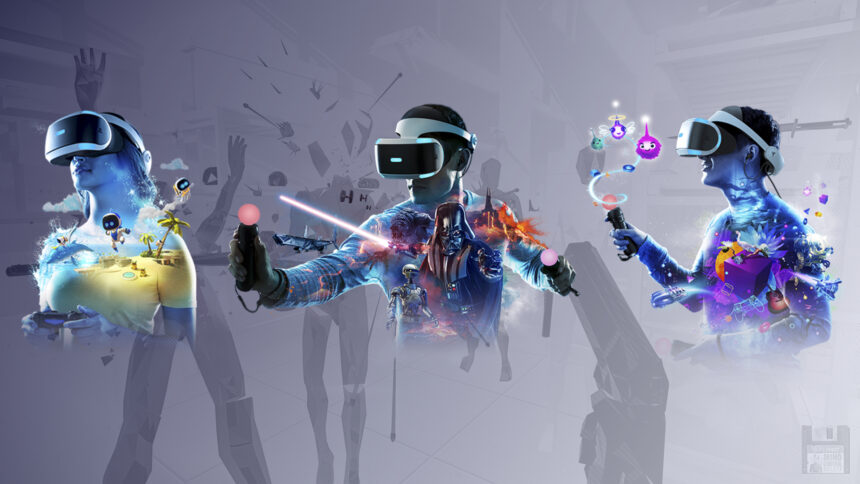
VR has evolved as a game-changing technology that transports people to totally new worlds and experiences. VR has the potential to revolutionise entertainment, education, training, and even how we view and interact with the world around us by immersing humans in digitally produced surroundings. In this post, we’ll look at the fascinating world of virtual reality (VR), its key concepts, applications, and the disruptive impact it’s having on numerous industries.
Immersive and interactive encounters:
The potential to create immersive and interactive experiences that take people to new realms is at the heart of VR. Users are visually and aurally immersed in virtual settings that can imitate realistic landscapes, stunning excursions, or even magical realms using specialised headsets. VR enables humans to explore, interact with virtual things, and engage in experiences that transcend beyond the constraints of reality by delivering a sensation of presence and involvement.
Entertainment and gaming:
Entertainment and gaming:
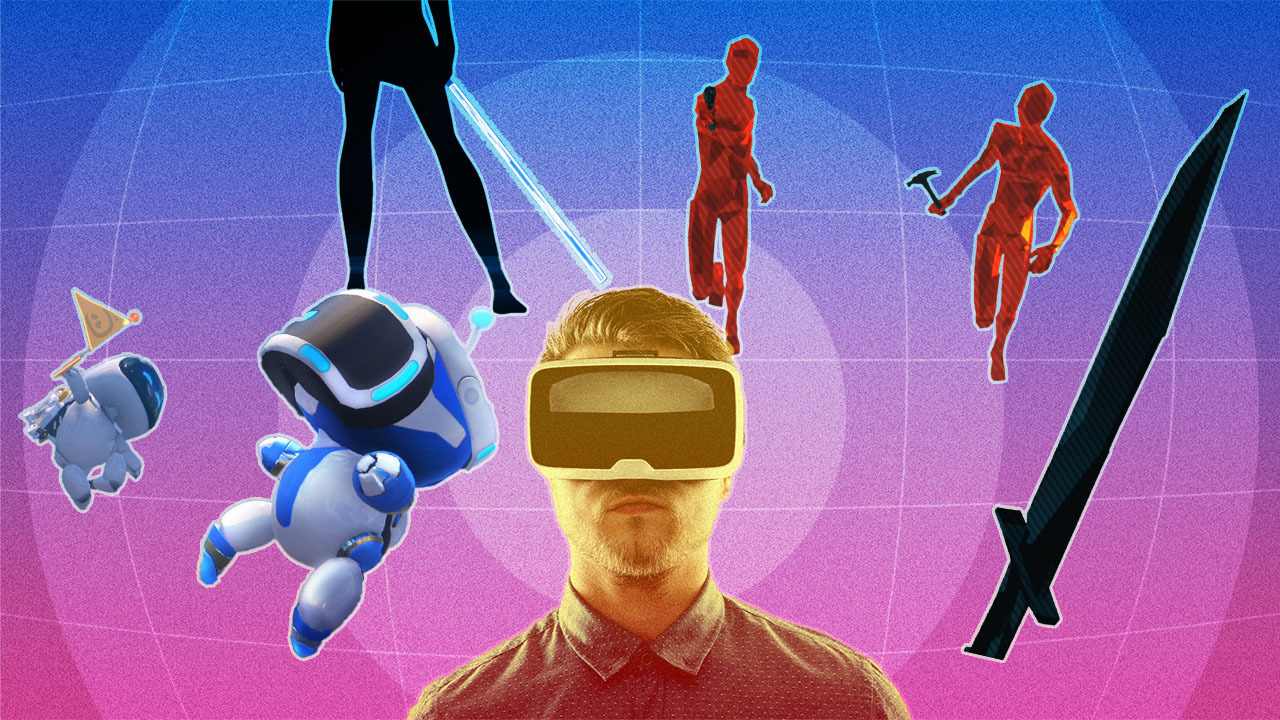
Virtual reality (VR) has had a tremendous impact on the gaming and entertainment sectors. The technology has the potential to dramatically revolutionise the way we play, watch, and interact with digital material, from fully immersive gaming experiences to interactive narrative and cinematic VR. VR gaming puts players in the middle of the action, delivering a level of immersion and engagement that traditional gaming cannot match. Furthermore, VR allows for immersive cinematic experiences, immersing viewers in virtual worlds and improving storytelling skills.
Training and education:
VR has enormous promise in education and training because it provides immersive and realistic learning environments. Students can tour historical locations, replicate scientific experiments, and practise skills in a safe and engaging environment. Medical students can practise virtual surgery, pilots can practise in realistic flight simulators, and employees can participate in immersive workplace training. VR improves engagement, retention, and the acquisition of practical skills by delivering experience learning.
Architects and Designers:
Architects and Designers:
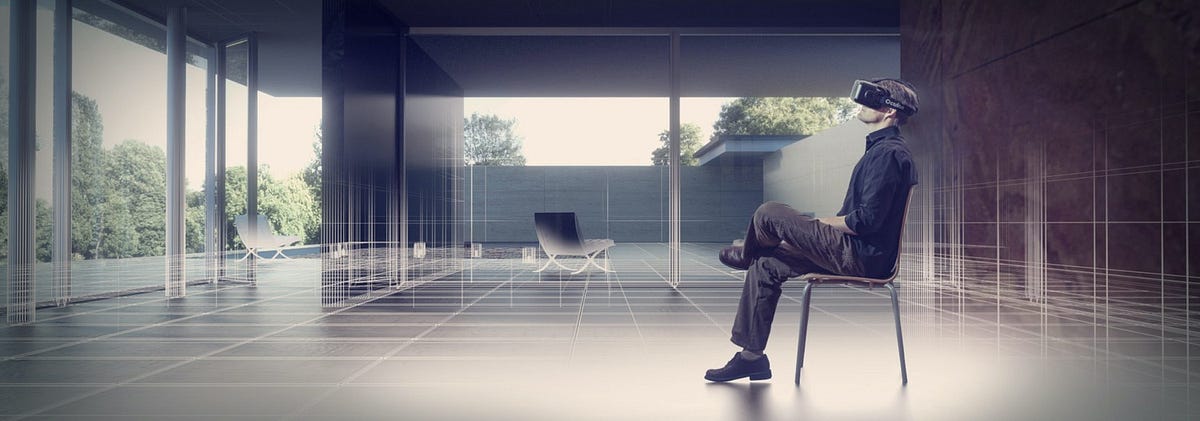
Virtual reality is transforming architecture and design by enabling virtual walkthroughs and 3D modelling. Before construction begins, architects can visualise and manipulate digital models at a realistic scale. Clients and stakeholders can take virtual tours of buildings or locations, allowing them to make educated decisions and provide useful input. VR allows for real-time collaboration while lowering expenses and boosting design outcomes.
Therapy and Healthcare:
VR has found a home in the healthcare profession, where it may help with pain treatment, therapy, and medical training. It has the potential to build immersive worlds that can distract patients during medical operations, lessen anxiety, and alleviate pain. VR-based therapies are being investigated for the treatment of phobias, PTSD, and anxiety disorders. Furthermore, virtual reality (VR) provides realistic simulations for medical training, allowing healthcare workers to practise complex procedures in a safe and regulated setting.
Conclusion:
Virtual reality is changing the way we interact with and experience the digital environment. VR’s capacity to create immersive and interactive experiences is opening up new opportunities in gaming, entertainment, education, design, healthcare, and other fields. As technology advances, we may expect more realistic, accessible, and impactful VR experiences. We are entering a world where the lines between the physical and virtual worlds are blurring, allowing us to explore new dimensions and go on remarkable adventures.