

Introduction:
Apple Vision Pro and Meta Quest 3 have established themselves as two of the most formidable competitors in the virtual reality (VR) industry, which is in a state of continuous development. The technology, display, content, tracking capabilities, and potential for the future are all different between the two devices, despite the fact that both can provide immersive experiences. In this post, we will go into a deep comparison of the essential features and performance of Apple Vision Pro and Meta Quest 3, with the goal of assisting you in making an informed decision when selecting your next virtual reality (VR) device.
Design and the Hardware:
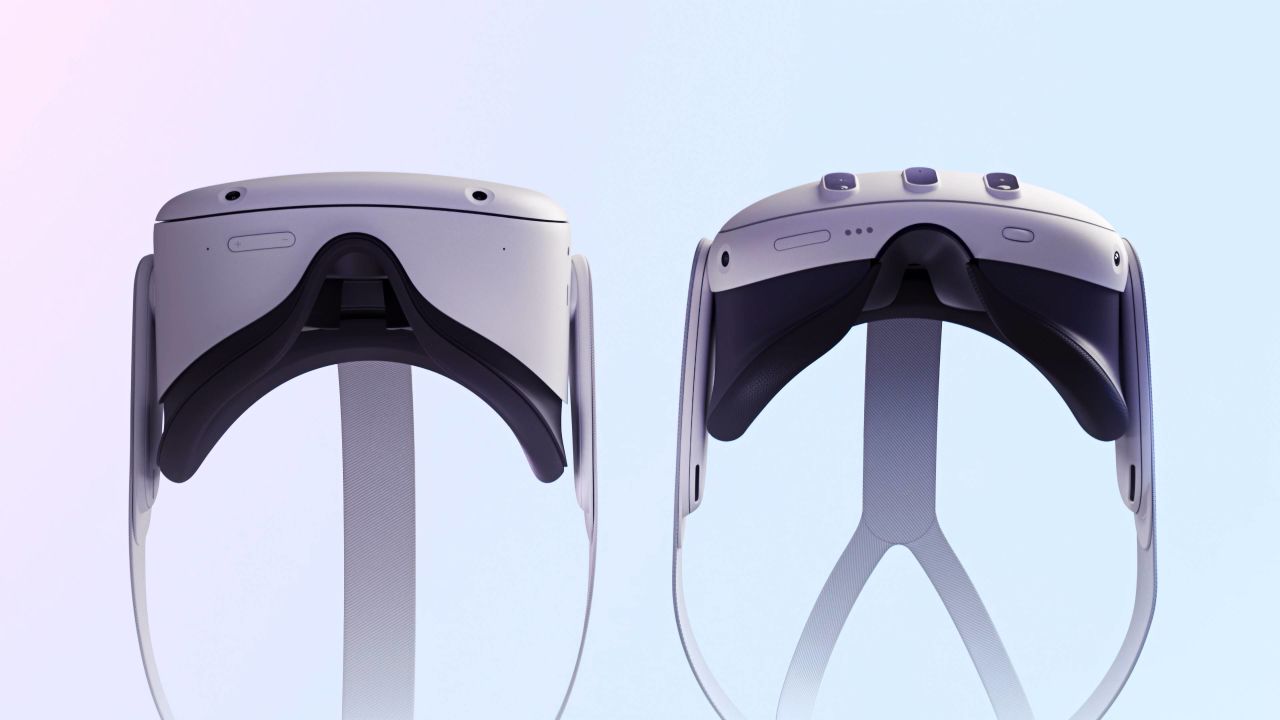
Both the Apple Vision Pro and the Meta Quest 3 take very different approaches to the hardware and design of their respective products. The Vision Pro features an all-in-one headset design that is streamlined and uncluttered, and it also has adjustable straps and high-quality materials to ensure user comfort. On the other hand, the Meta Quest 3 has an appearance that is reminiscent of the future, and it comes equipped with hand tracking and touch controls that allow for natural interactions. Both of these gadgets have features that allow them to function independently, removing the necessity for extra connections or devices.
Display:
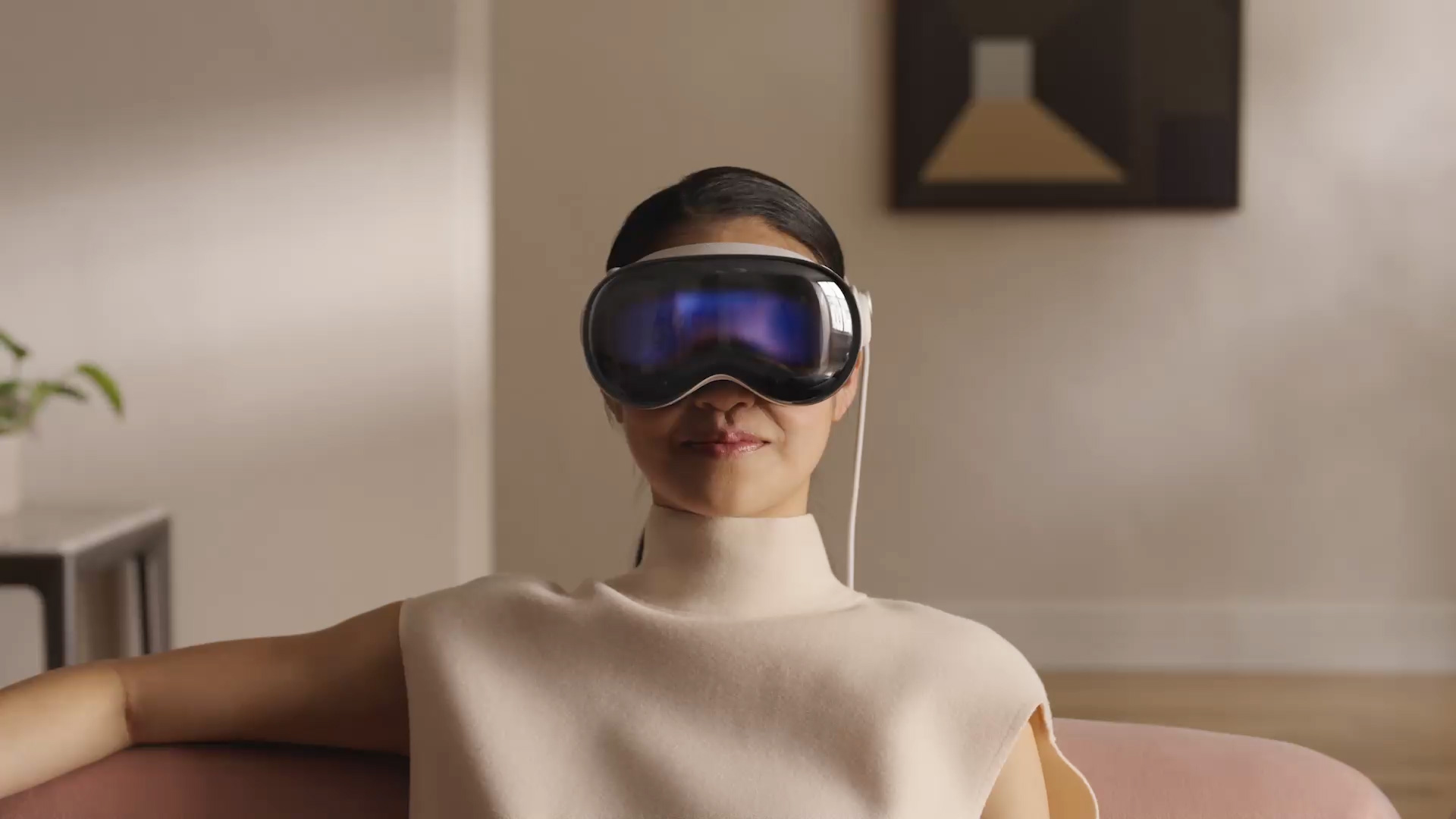
Both the Vision Pro and the Meta Quest 3 have their advantages when it comes to the display and the overall visual quality. The OLED display on the Vision Pro has a high resolution, which results in vivid colours and crisp pictures thanks to the display’s combination of the two qualities. Additionally, it makes use of cutting-edge technologies like as HDR compatibility and a wide field of vision, both of which contribute to a more immersive experience. The Meta Quest 3, despite having an LCD display with a little lower resolution, makes up for it with a higher refresh rate, which ensures smoother motion and reduces the likelihood that certain users would experience motion sickness.
Ecosystem of Content and Applications:
A robust and varied app ecosystem is absolutely necessary for creating an interesting virtual reality experience. The Vision Pro takes advantage of Apple’s huge app ecosystem, which features a broad variety of games and applications that have been optimised. It is able to interface with other Apple products in a smooth manner, so giving a unified experience across a variety of platforms. On the other hand, the Meta Quest 3 comes equipped with its very own specialised app store, where users can choose from an ever-expanding variety of virtual reality (VR) experiences, games, and interactive content. Additionally, it enables sideloading, which gives users access to a wider variety of apps to choose from.
Tracking and Interactive Components:
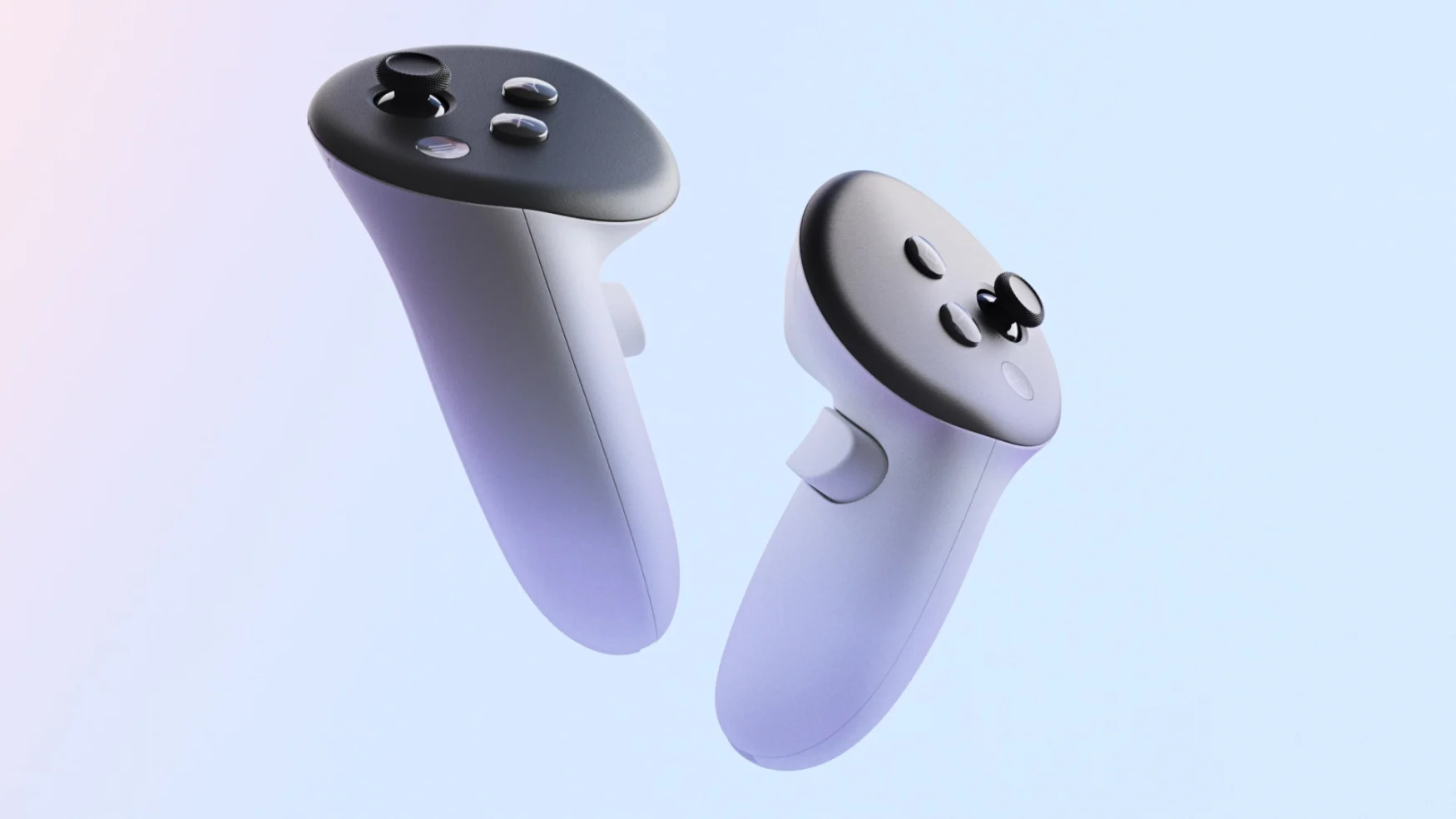
An engaging virtual reality (VR) experience is defined by essential components such as precise tracking and natural interaction. Inside-out tracking is utilised by the Vision Pro, which combines sensors to properly track head motions and hand gestures. This allows for more natural interactions to take place within the virtual environment. The Meta Quest 3 takes tracking to a new level with its innovative inside-out tracking mechanism, which enables full-body tracking and takes tracking to a new level. This increases the feeling of immersion and opens up the door to greater opportunities for interactive encounters.

Support for Developers and Potential for the Future:
The lifespan and progression of virtual reality (VR) devices is heavily dependent on the support of the developer community as well as the possibilities for the future. The robust developer community and resources offered by Apple position the Vision Pro as a potentially fruitful platform for future innovations. Users can anticipate an expanding collection of immersive experiences, as well as advancements in both performance and features, as Apple continues to invest in virtual reality technology. In a similar vein, the Oculus community provides active support for the Meta Quest 3, which results in the expansion of that product’s capabilities over time via regular software upgrades and the addition of new features.
Conclusion:
The decision between the Apple Vision Pro and the Meta Quest 3 should be made based on the individual’s interests and expectations for their time spent in virtual reality. The Vision Pro features an easy interaction with Apple’s ecosystem, a display of the highest possible quality, and access to a large variety of apps that have been optimised. On the other hand, the Meta Quest 3 has a forward-thinking design, strong tracking capabilities, and a robust app store with an expanding range of virtual reality content. All of these features make it an outstanding choice. When choosing your choice, it is important to take into account your top priorities in terms of the hardware, display quality, content availability, and future potential. Both the HTC Vive and the Oculus Rift provide users with immersive virtual reality experiences that can take them to new places and push the limits of what is possible in the virtual reality arena.