

Introduction
Technology is advancing at an astonishing pace, revolutionizing every aspect of our lives. From artificial intelligence and blockchain to augmented reality and quantum computing, the tech industry is continuously pushing boundaries and unlocking new possibilities. In this article, we embark on an exciting journey to explore the latest tech trends that are reshaping our future. Join us as we delve into the world of innovation and discover the transformative technologies that are set to define the next generation.

Artificial Intelligence (AI): Empowering Intelligent Automation
Artificial Intelligence has emerged as a game-changer across various industries. With machine learning algorithms and deep neural networks, AI is transforming automation and decision-making processes. From virtual assistants like Siri and Alexa to self-driving cars and advanced data analytics, AI is revolutionizing how we interact with technology. The ability to analyze vast amounts of data, learn from patterns, and make intelligent predictions is propelling AI into new frontiers, promising a future of enhanced productivity and efficiency.

Internet of Things (IoT): Connecting the World Around Us
The Internet of Things has become a pervasive force, interconnecting devices, appliances, and even entire cities. IoT enables seamless communication and data exchange between interconnected objects, making our lives more convenient and efficient. From smart homes with automated lighting and temperature control to wearable devices that monitor our health and fitness, IoT is transforming the way we live and interact with our surroundings. As the IoT ecosystem expands, we can expect even greater connectivity and integration, leading to smarter cities, improved resource management, and enhanced quality of life.

Blockchain Technology: Revolutionizing Trust and Security
Blockchain technology has gained significant attention due to its decentralized and transparent nature. Originally introduced as the backbone of cryptocurrencies like Bitcoin, blockchain is now being applied across industries to enhance security, transparency, and trust. From supply chain management and financial transactions to healthcare records and digital identity verification, blockchain is reshaping traditional processes. By eliminating intermediaries and providing an immutable and auditable record, blockchain technology has the potential to transform industries by enhancing efficiency, reducing costs, and improving data security.
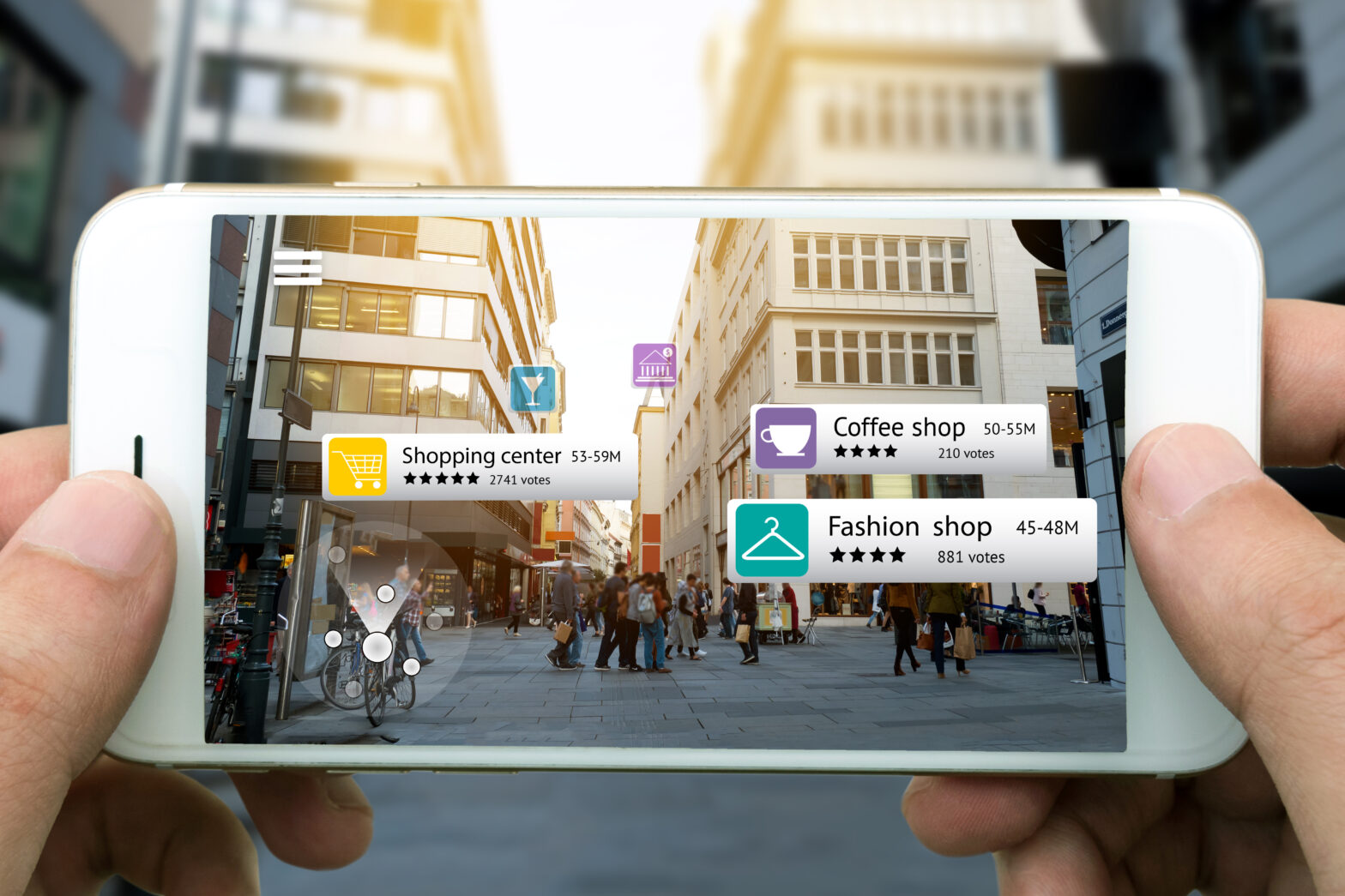
Augmented Reality (AR) and Virtual Reality (VR): Immersive Experiences
AR and VR technologies have taken center stage in entertainment, gaming, and beyond. Augmented Reality overlays digital information onto the real world, enhancing our perception and interaction with our surroundings. Virtual Reality, on the other hand, transports users to immersive and interactive simulated environments. These technologies are revolutionizing various industries, from education and training to architecture and tourism. With AR and VR, users can experience virtual travel, explore distant lands, and engage in realistic simulations that were once unimaginable.

Quantum Computing: Unlocking Unprecedented Computing Power
Quantum computing is poised to revolutionize computational power, solving complex problems at speeds far beyond the capabilities of traditional computers. By harnessing the principles of quantum mechanics, quantum computers can process vast amounts of information simultaneously, opening new possibilities in fields like cryptography, drug discovery, and optimization. Although still in its early stages, quantum computing holds immense potential to transform industries and accelerate scientific breakthroughs, ushering in a new era of computing power.
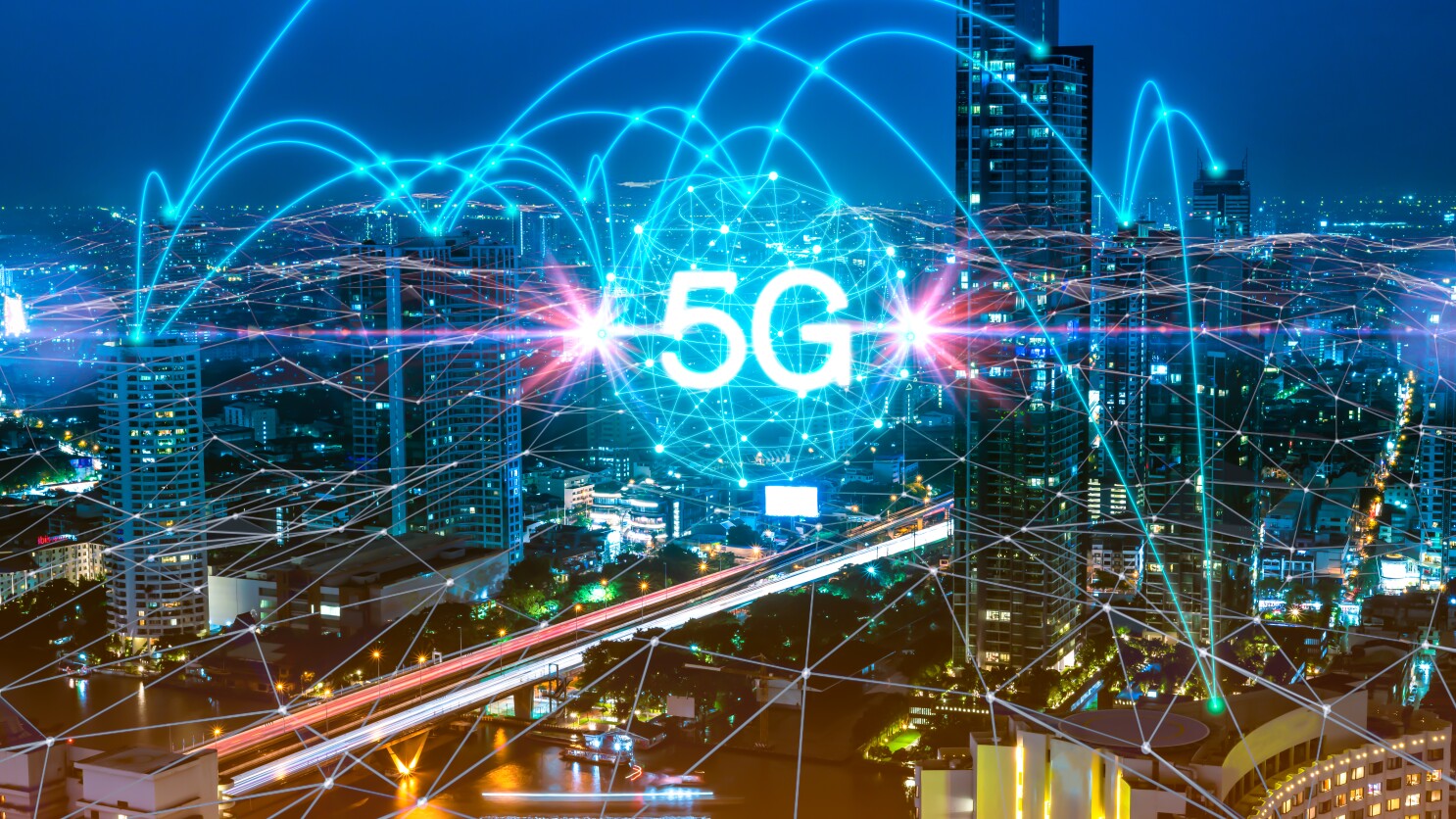
5G Technology: Supercharging Connectivity and Communication
The introduction of 5G technology has brought about a significant leap in connectivity, enabling faster download speeds, lower latency, and increased network capacity. 5G’s lightning-fast speeds and enhanced capabilities are set to revolutionize industries such as autonomous vehicles, remote surgeries, and Internet of Things applications. With the ability to connect billions of devices simultaneously, 5G is poised to reshape how we communicate, work, and interact with technology, unlocking new opportunities for innovation and productivity.
Conclusion:
The world of technology is evolving at an unprecedented rate, with breakthroughs in artificial intelligence, blockchain, IoT, augmented and virtual reality, quantum computing, and 5G technology. These trends hold immense potential to transform industries, revolutionize daily life, and shape the future of our society. As we embark on this thrilling journey of innovation, it is crucial to embrace and adapt to these cutting-edge technologies, ensuring that we harness their power to create a brighter and more connected world.