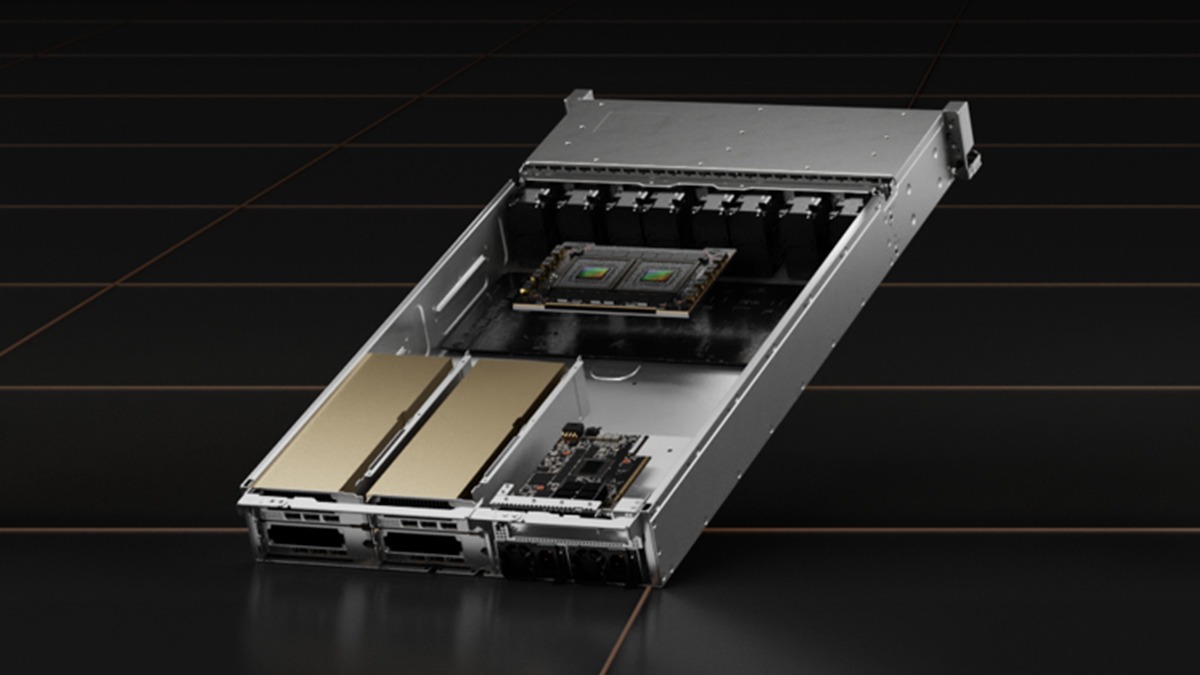
NVIDIA is well-known as a leading manufacturer of graphics cards and GPUs for gaming and professional applications. But recently, the company has also entered the CPU market with its own Arm-based processor called Grace. Does this mean that NVIDIA is becoming a CPU supplier, competing with Intel and AMD? And what are the implications for the supercomputing and data center industries? In this article, we will explore these questions and more.
What is Grace?
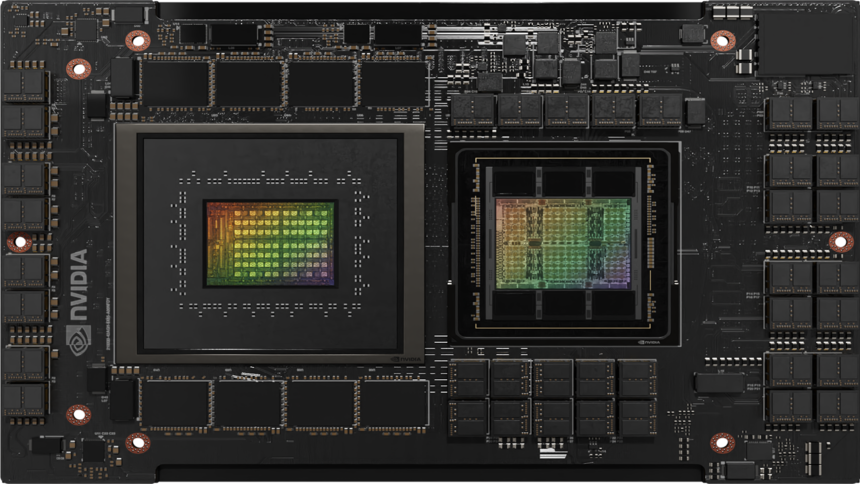
Grace is NVIDIA’s first data center CPU, designed to deliver high performance and energy efficiency for large-scale AI and high-performance computing (HPC) workloads. Grace is based on the Arm Neoverse architecture, which is widely used in mobile devices and embedded systems. Grace will feature 384 cores per chip, running at up to 2.6 GHz, with a peak performance of 1.3 teraflops per chip. Grace will also support up to 512 GB of high-bandwidth memory (HBM) per chip, delivering up to 900 GB/s of memory bandwidth.
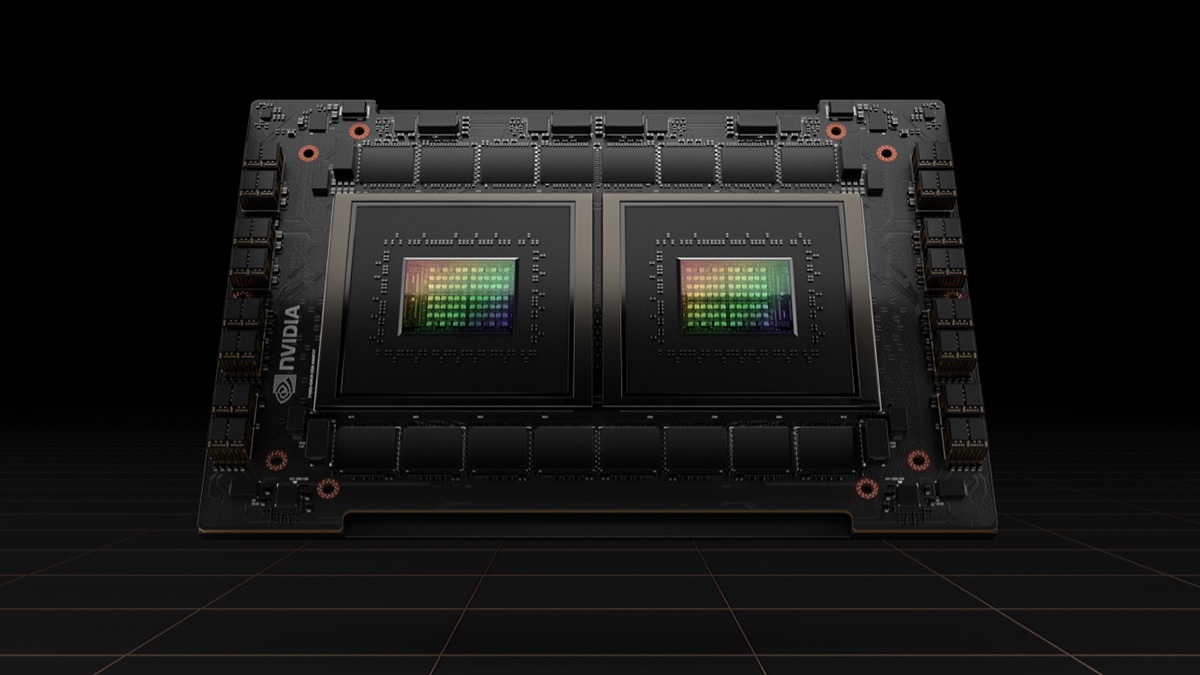
One of the key features of Grace is its tight integration with NVIDIA’s GPUs and DPUs (data processing units). Grace will use NVIDIA’s NVLink interconnect technology to connect directly to GPUs and DPUs, enabling fast data transfer and low latency. Grace will also support NVIDIA’s CUDA software platform, which allows developers to write code that can run on both CPUs and GPUs.
Why did NVIDIA create Grace?
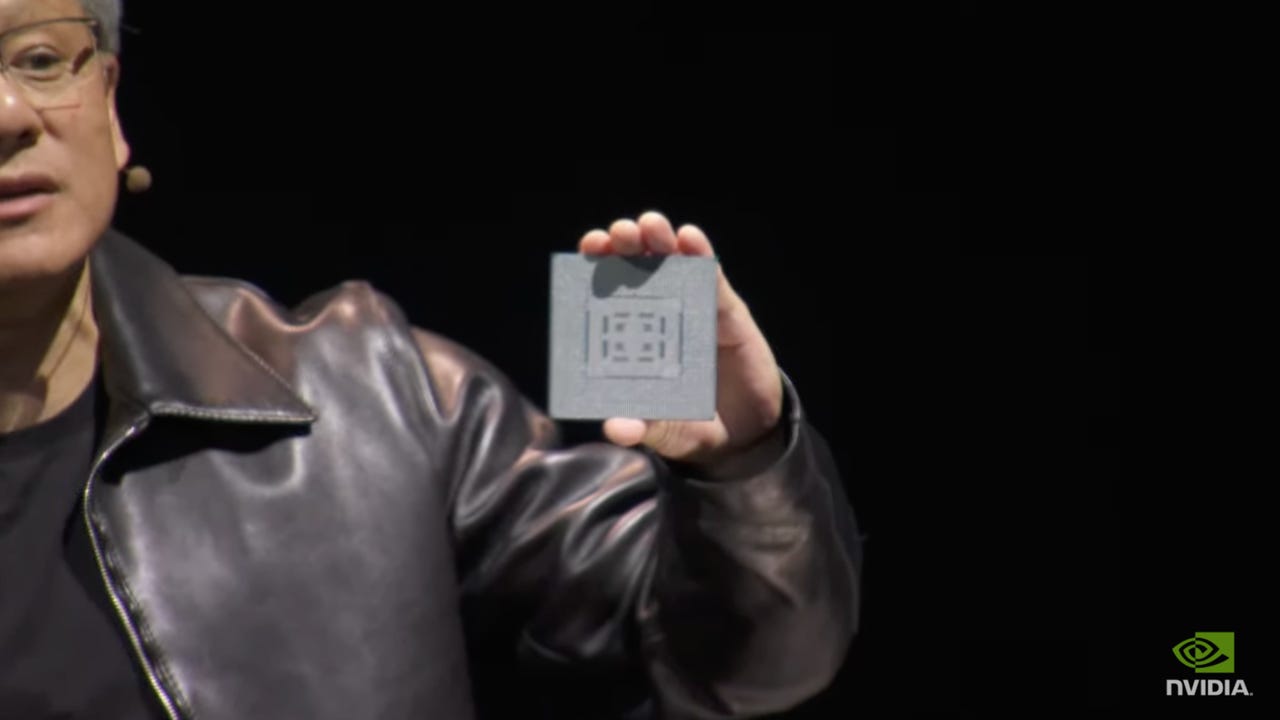
NVIDIA’s CEO Jensen Huang has stated that Grace was created to address the growing demand for AI and HPC applications that require massive amounts of data processing and memory bandwidth. According to Huang, “Leading-edge AI and data science are pushing today’s computer architecture beyond its limits – processing unthinkable amounts of data. Using licensed Arm IP, NVIDIA has designed Grace as a CPU specifically for giant-scale AI and HPC. Coupled with the GPU and DPU, Grace gives us the third foundational technology for computing, and the ability to re-architect the data center to advance AI. NVIDIA is now a three-chip company.”
NVIDIA has also claimed that Grace will offer 10 times the performance of today’s fastest servers on the most complex AI and HPC workloads. For example, NVIDIA has projected that Grace will enable the training of natural language processing models with 1 trillion parameters in just three days, compared to 10 days on current systems.
Who are NVIDIA’s partners and customers for Grace?
NVIDIA has already announced several partners and customers for Grace, mainly in the supercomputing and research domains. Some of the notable ones are:
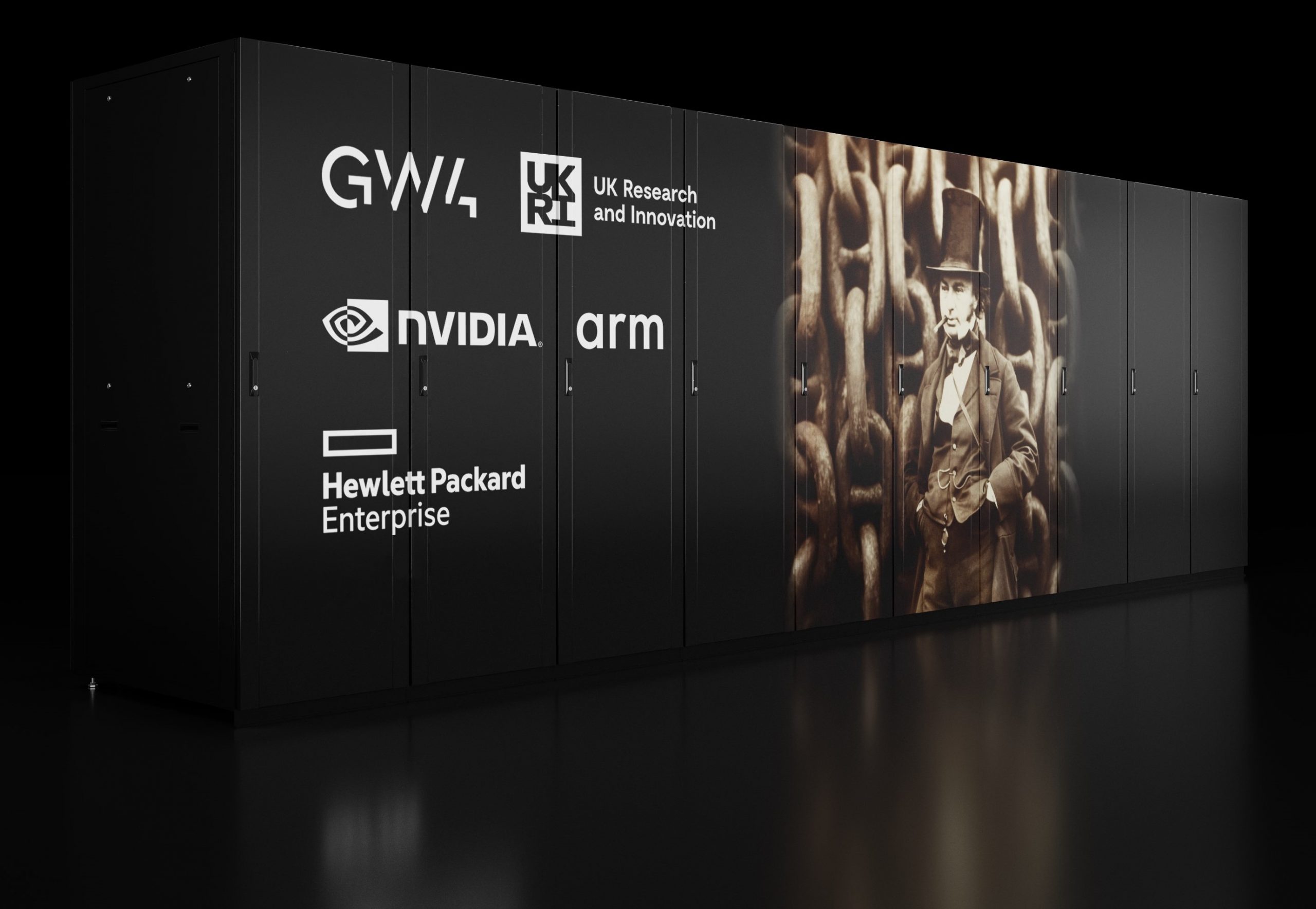
- HPE: The leading supercomputer vendor will build a Grace-based system called Isambard 3 for the UK Research and Innovation (UKRI). Isambard 3 will feature 384 Grace chips and will be one of Europe’s most energy-efficient systems, delivering six times the performance and energy efficiency of its predecessor, Isambard 2.
- Swiss National Supercomputing Centre (CSCS): The CSCS will deploy a Grace-based system called Alps, which will be one of the world’s most powerful supercomputers, with a peak performance of more than 20 exaflops. Alps will use more than 10,000 Grace chips and more than 20,000 NVIDIA GPUs, and will support a wide range of scientific applications, such as climate modeling, astrophysics, materials science, and biomedicine.

- Los Alamos National Laboratory (LANL): The LANL will use a Grace-based system called Venado for its nuclear weapons research and stockpile stewardship program. Venado will use more than 6,000 Grace chips and more than 12,000 NVIDIA GPUs, and will have a peak performance of more than 10 exaflops.