

The concept of the Metaverse has been gaining popularity in recent times, especially after the pandemic accelerated the adoption of virtual spaces for work, entertainment, and socializing. But what is the Metaverse? How is it different from virtual reality, augmented reality, or even the internet itself? And what possibilities does it offer for the future of technology, business, and society? In this article, we will explore the mysteries of the Metaverse, its origins, definitions, and potential applications, as well as the challenges and opportunities it presents for individuals and organizations.
1. What is the Metaverse?
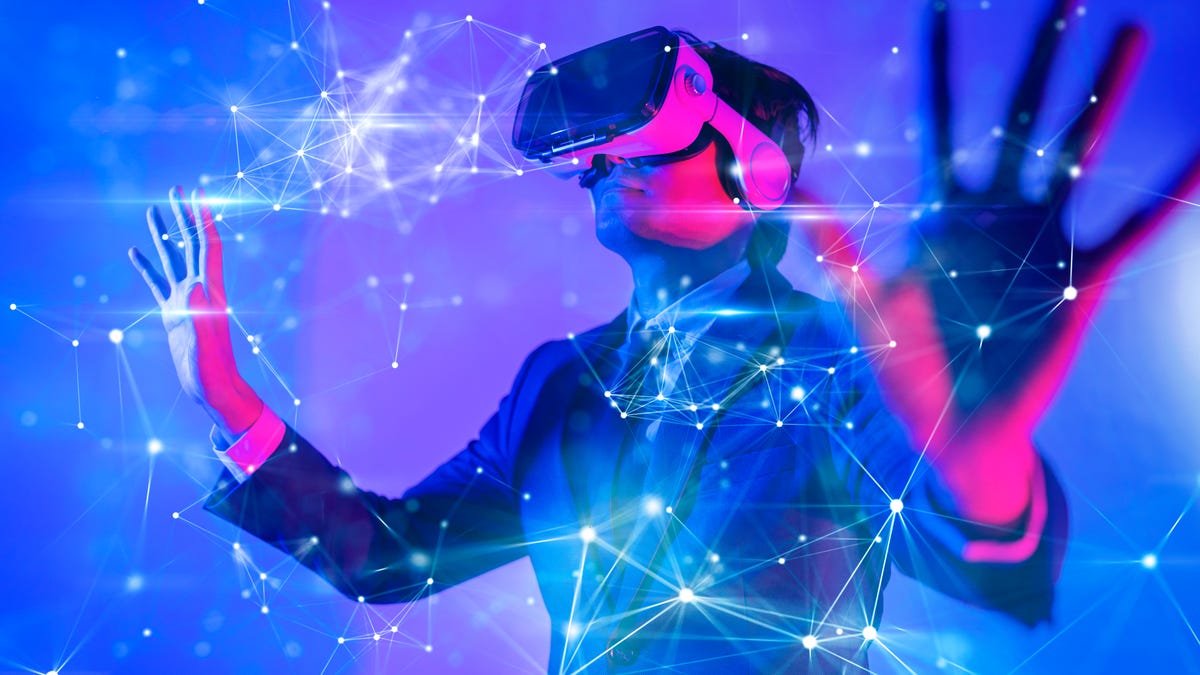
The Metaverse is a term coined by sci-fi writer Neal Stephenson in his novel “Snow Crash” (1992) to describe a virtual reality shared by millions of users in a persistent and immersive world. The Metaverse is not a single platform or company, but rather a vision of a decentralized and interoperable network of virtual spaces that can be accessed by anyone with an internet connection and the right software or hardware. The Metaverse is not just a game, but a new layer of reality that can blend the physical and the digital in unprecedented ways.
2. How does the Metaverse work?
The Metaverse is still in its infancy, and there are many technical, economic, and social challenges to overcome before it can become a mainstream phenomenon. However, the basic principles of the Metaverse are already being explored by various companies, such as Epic Games, Roblox, Decentraland, and Somnium Space. These companies offer virtual worlds that can be customized, monetized, and interacted with in real-time by users from all over the world. Some of the key features of the Metaverse are:
2.1. Immersion
The Metaverse aims to provide a seamless and immersive experience for users, through the use of advanced graphics, sound, and haptic feedback. Users can create their own avatars, explore virtual environments, interact with objects and other users, and even earn virtual currency or rewards for their actions.
2.2. Interoperability
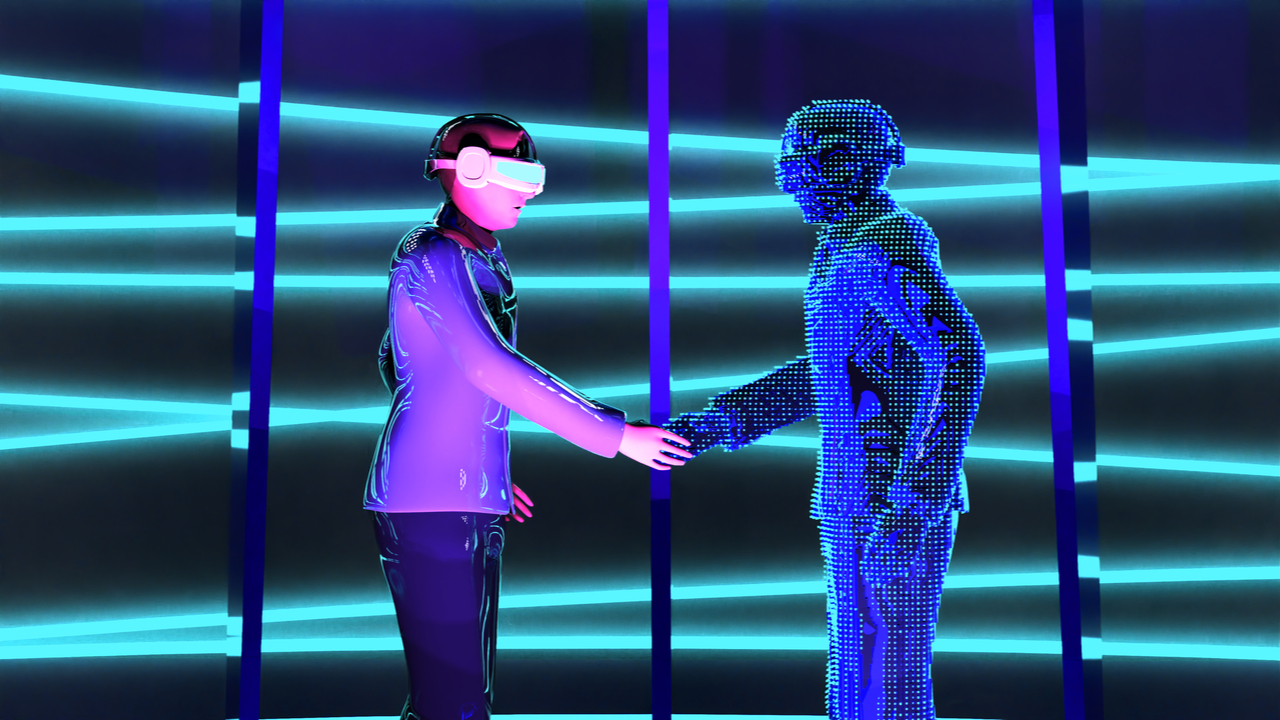
The Metaverse is not limited to a single platform or protocol, but rather an open and interoperable network that can connect different virtual worlds and applications. This means that users can move their assets, identities, and experiences across different domains and use cases, without losing their value or integrity.
2.3. Decentralization
The Metaverse is not controlled by a single entity or authority, but rather a distributed and autonomous system that relies on blockchain, peer-to-peer networks, and other decentralized technologies. This means that users can own and control their data, assets, and identities, and participate in governance and decision-making processes.
3. What are the potential applications of the Metaverse?
The Metaverse has the potential to transform many industries and domains, from entertainment and gaming to education, healthcare, and finance. Here are some examples of how the Metaverse could be used:
3.1. Socializing
The Metaverse can offer new forms of socializing and community-building, especially for people who are isolated or marginalized in the physical world. The Metaverse can provide safe and inclusive spaces for people to express themselves, share their interests, and connect with others from all over the world.
3.2. Work and collaboration
The Metaverse can offer new opportunities for remote work and collaboration, especially for creative and knowledge-intensive tasks. The Metaverse can provide virtual offices, meeting rooms, and co-working spaces that can be customized and shared by teams from different locations and backgrounds.

3.3. Education and training
The Metaverse can offer new forms of education and training, especially for practical skills that require hands-on experience. The Metaverse can provide simulations, games, and scenarios that can help learners to acquire and practice skills in a safe and engaging environment.
3.4. Commerce and marketing
The Metaverse can offer new opportunities for commerce and marketing, especially for virtual goods and services that have no physical equivalent. The Metaverse can provide marketplaces, shops, and advertisements that can reach a global and diverse audience, and enable new forms of monetization and value creation.
3.5. Art and creativity
The Metaverse can offer new forms of art and creativity, especially for immersive and interactive experiences that transcend the boundaries of the physical world. The Metaverse can provide galleries, museums, and performance spaces that can showcase and inspire new forms of expression and collaboration.
4. What are the challenges and opportunities of the Metaverse?
The Metaverse is not without its challenges and risks, especially in terms of privacy, security, and ethics. The Metaverse can also exacerbate existing inequalities, biases, and power dynamics, if not designed and governed properly. However, the Metaverse also presents many opportunities and benefits, especially for those who embrace it as a new frontier of innovation and imagination. Here are some of the key challenges and opportunities of the Metaverse:

4.1. Technical challenges
The Metaverse requires advanced and scalable technologies, such as 5G, cloud computing, AI, and blockchain, to enable seamless and immersive experiences for millions of users. The Metaverse also requires new standards and protocols for interoperability, security, and governance, to ensure trust and value across different domains and ecosystems.
4.2. Economic challenges
The Metaverse requires sustainable and equitable business models, that can balance the interests of creators, users, and investors, while ensuring a fair distribution of rewards and risks. The Metaverse also requires new forms of regulation and taxation, that can adapt to the dynamic and global nature of the Metaverse, and prevent abuses and monopolies.
4.3. Social challenges
The Metaverse requires inclusive and diverse communities, that can respect and celebrate different cultures, identities, and values, while promoting empathy and understanding. The Metaverse also requires ethical and responsible practices, that can prevent harm and abuse, and promote transparency and accountability.
4.4. Opportunities for innovation
The Metaverse offers many opportunities for innovation and entrepreneurship, that can create new products, services, and experiences, that were not possible before. The Metaverse also offers opportunities for collaboration and co-creation, that can harness the collective intelligence and creativity of people from all over the world.
5. Conclusion
The Metaverse is not just a buzzword, but a new reality that is emerging before our eyes. The Metaverse has the potential to transform many aspects of our lives, from work and play to learning and socializing. However, the Metaverse also poses many challenges and risks, that require careful and collaborative efforts to address. The Metaverse is not a destination, but a journey, that requires curiosity, creativity, and courage to explore and shape. Are you ready for the Metaverse?