
Introduction
Augmented reality (AR) is at the forefront of the digital revolution currently taking place around the globe. By superimposing digital information on the actual world, augmented reality technology improves our perception of reality. This essay will define augmented reality, discuss its history and the technology that supports it, as well as its different forms, potential uses, benefits, and drawbacks.
What Is an Augmented Reality Definition?
By superimposing digital information on the actual world, augmented reality enhances our perception of reality. By supplying more data about the real world, this technology can be used to make for a more realistic experience.
Intro to AR: Some Background
The history of augmented reality technology spans over two decades. In the early 1990s, Tom Caudell and David Mizell at Boeing created the first augmented reality device. Augmented reality technology has come a long way since then. While augmented reality’s first adopters were in the military, the technology has since found uses beyond the battlefield.
The Current and Future Role of Augmented Reality
We can only begin to scratch the surface of what AR can do in industries as varied as teaching, filmmaking, medicine, shopping, architecture, and advertising. The use of augmented reality technology has the potential to reduce costs, boost user interaction, and improve the overall user experience. Augmented reality is revolutionising our daily interactions with the world and making them more convenient and pleasurable.
What Makes Augmented Reality Work
Sensors, cameras, and computer software are all integral parts of augmented reality systems, which overlay digital data onto physical environments. In order to function, it must be able to track the user’s position, direction, and motion. Marker-based AR, markerless AR, and projection-based AR are the three main categories of augmented reality technology.
The Principles of Augmented Reality
In augmented reality (AR), digital information is superimposed onto the real environment using two primary methods: marker-based and markerless. In marker-based augmented reality, the user’s position and direction are determined by a camera and a marker. In contrast, markerless augmented reality relies on sensors and computer vision algorithms to determine the user’s position and direction.
Augmented reality subtypes
Marker-based AR, markerless AR, and projection-based AR are the three main categories of augmented reality technology. In marker-based augmented reality, the user’s position and direction are determined by a camera and a marker. In contrast, markerless augmented reality relies on sensors and computer vision algorithms to determine the user’s position and direction. In projection-based augmented reality, a projector is used to superimpose digital data onto the physical environment.
Comparison of Augmented and Virtual Reality
It’s common for people to mistake augmented reality (AR) and virtual reality (VR), but these are actually two separate technologies. Virtual reality (VR) produces a completely new environment, while augmented reality (AR) enhances our perception of reality by superimposing digital information onto the real world. While virtual reality is mostly used for fun and games, augmented reality has a wide range of practical uses.
Augmented Reality’s Potential Uses
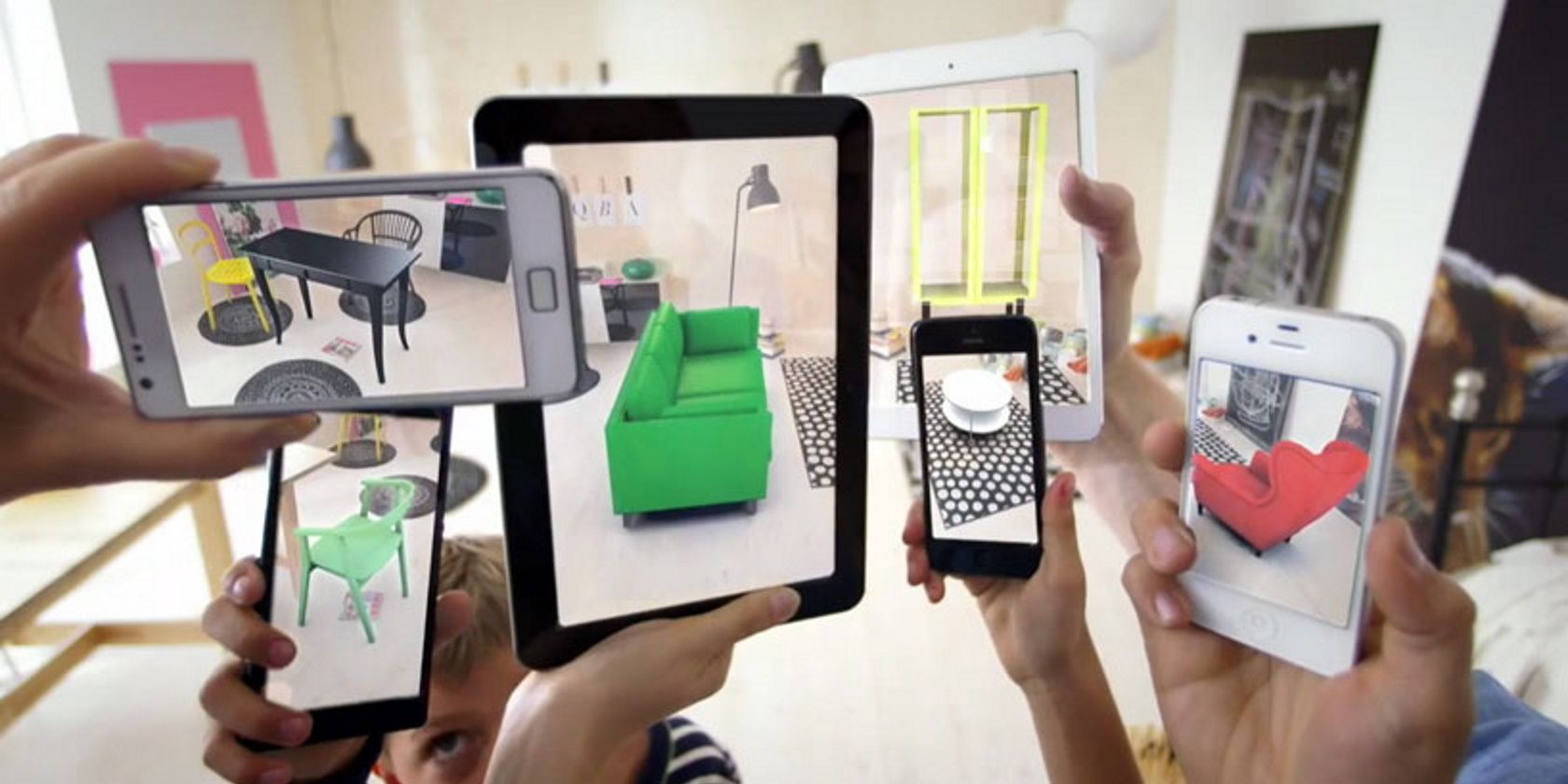
Education, amusement, healthcare, retail, real estate, and marketing are just some of the many industries that could benefit from augmented reality technology.
1. Instruction and Study
The immersive nature of AR technology in the classroom can help students better understand difficult ideas. Using augmented reality technology, educators can make textbooks more interesting and interactive for their pupils.
2. Amusements and Games
The advent of augmented reality (AR) technology has completely changed the gaming business. Using augmented reality, developers can make games that have players move around in the real world.
3. Healthcare
The use of augmented reality (AR) in healthcare includes education, diagnosis, and therapy. Medical workers can benefit from augmented reality technology by better visualising complex procedures.
4. Online and offline shopping
With the help of augmented reality technology, consumers can digitally try on merchandise before making a purchase. Customers can experience goods in a more interactive manner when virtual showrooms are created using augmented reality technology.
5. Construction and Property Investment
With the help of augmented reality technology, viewing structures is a fully realistic experience. Virtual tours of real estate can be created using augmented reality technology, enabling buyers to do their research from afar. In order to better comprehend a building’s design, architectural plans can be visualised using augmented reality technology.
6. Promotional Activities
Advertising and marketing efforts that use augmented reality technology will have a greater impact on consumers because of their interactivity. With the help of augmented reality technology, traditional billboards and advertisements can be transformed into immersive experiences for the consumer.
Potential Benefits and Drawbacks of AR
Improved customer experience, higher levels of engagement, and financial savings are just a few of the benefits of augmented reality technology. It does, however, come with a few drawbacks, such as restricted hardware powers and privacy worries.
Augmented reality’s benefits
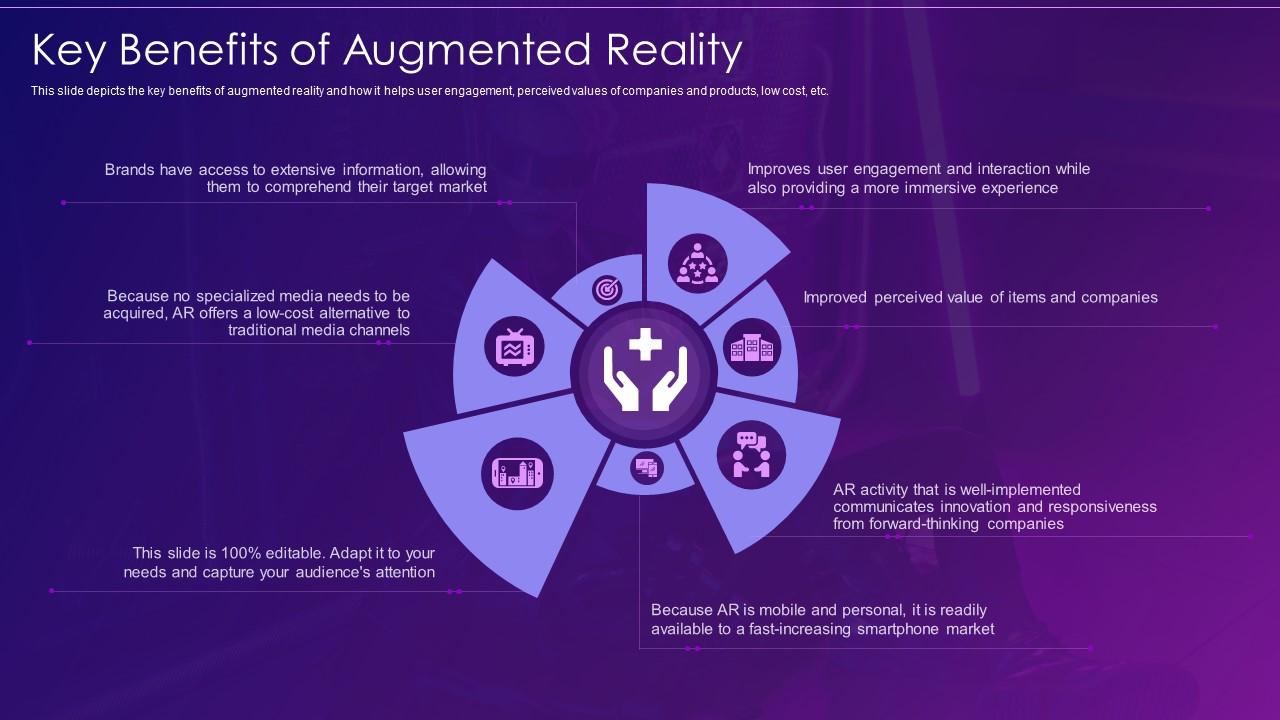
The use of augmented reality technology improves efficiency and client satisfaction without increasing overhead. Customers will have a much more interesting and exciting experience if AR technology is used to create a realistic environment.
2. Upgraded User Interaction
By creating a more realistic environment, augmented reality technology can improve the overall user experience. With the help of AR technology, consumers can get more details about goods before making purchases.
3. Enhanced Participation
With the help of augmented reality technology, consumers are more likely to actively connect with a brand’s product. Customers can have a more meaningful interaction with the product through the use of AR technology, which can be used to make interactive experiences.
4. Reduced expenses
Saving money is possible with augmented reality technology because it reduces the need for tangible prototypes. Companies can save money on physical prototypes by using AR to build virtual prototypes first.
Potential Drawbacks of AR
There are drawbacks to augmented reality technology, such as its limited hardware powers and privacy concerns. Some users may not have access to augmented reality technology because it needs sophisticated hardware. Data collection from augmented reality applications is another potential privacy risk.
1. Hardware Capabilities Are Restricted.
Some users may not have access to augmented reality technology because it needs sophisticated hardware. Since augmented reality technology is just getting started, the necessary gear is both pricey and hard to come by.
2. Data Protection Fears
Data collection by augmented reality applications is one potential privacy risk. Privacy issues arise because augmented reality apps need to know where and how to position the user.
3. Time to Come
The future of augmented reality is still being shaped by a number of new trends, but it is changing quickly. Several sectors, including healthcare, shopping, and education, stand to benefit greatly from augmented reality technology. Without a question, augmented reality technology will revolutionise our daily interactions with the world, making them simpler and more enjoyable.
Trends in Augmented Reality’s Future Developments
The future of augmented reality is still being shaped by a number of new trends, but it is changing quickly. Some of the latest developments in augmented reality include wearable gadgets, the cloud, and games.
Market Obstacles for Augmented Reality
While there is great promise in augmented reality (AR) technology, many obstacles stand in the way of its widespread adoption. The augmented reality industry is struggling with issues like limited hardware capabilities, privacy worries, and high prices.
Potential AR Use Cases in the Future
Several sectors, including healthcare, shopping, and education, stand to benefit greatly from augmented reality technology. Some of the potential future uses of augmented reality technology include remote help, medical training, and online shopping.
Society’s Reaction to Augmented Reality
The widespread effects of augmented reality technology remain to be seen. Augmented reality has the potential to revolutionise our social interactions, boost our efficiency, and fundamentally alter the way we do our jobs. However, there are ethical issues that can arise from using augmented reality technology, including data protection and abuse.
Conclusion
AR technology has the potential to transform the way we see the world, providing an immersive experience that enhances our perception of reality. It has numerous applications in various fields, including education, entertainment, healthcare, retail, real estate, and marketing. While it has some disadvantages, such as limited hardware capabilities and privacy concerns, the potential benefits outweigh the drawbacks. As AR technology continues to evolve, it will undoubtedly transform various industries, making our lives easier and more enjoyable.
Summary of the key takeaways
- Augmented reality enhances our perception of reality by superimposing digital information onto the real world.
- AR technology has numerous applications in various fields, including education, entertainment, healthcare, retail, real estate, and marketing.
- AR technology has several advantages, including enhanced user experience, increased engagement, and cost savings.
- AR technology also has some disadvantages, such as limited hardware capabilities and privacy concerns.
- AR technology has the potential to transform various industries, including healthcare, retail, and education.
- AR technology raises ethical concerns, such as the privacy of user data and the potential misuse of the technology.
Final thoughts on the future of Augmented Reality
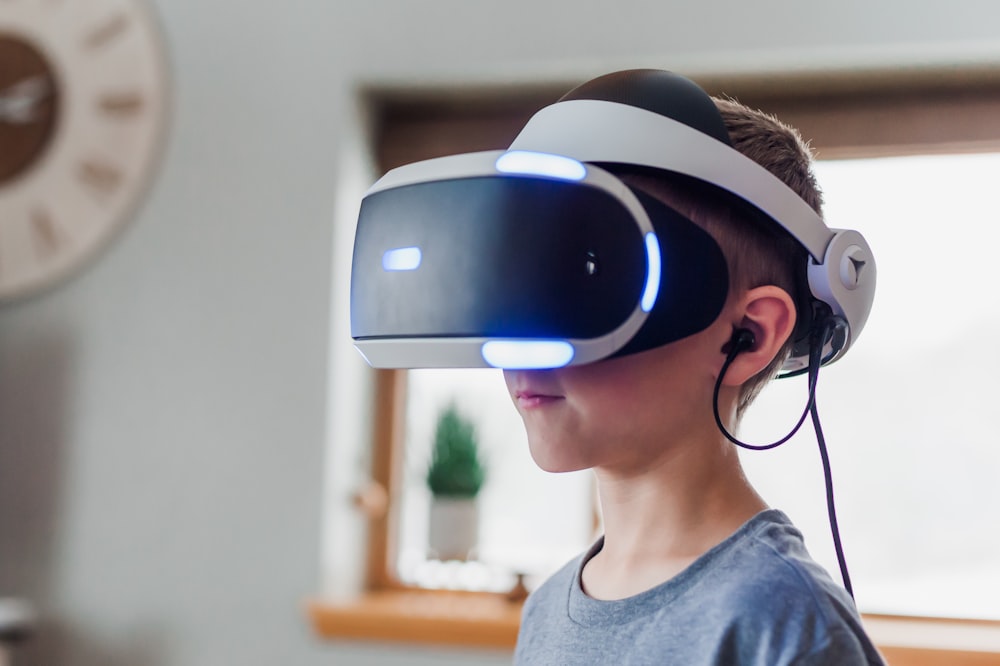
AR technology is at the forefront of the digital revolution, and its potential is enormous. As AR technology continues to evolve, we can expect to see more immersive experiences, increased engagement, and cost savings. However, it is essential to address the challenges facing the AR market, such as limited hardware capabilities and privacy concerns. As we move forward, we must use AR technology ethically and responsibly to ensure that it benefits society as a whole.