

The future of robotics and automation is an exciting prospect. With advancements in technology, robots and automation are becoming more capable of performing complex tasks with greater accuracy and speed than ever before. From manufacturing to healthcare, the potential applications of robotics and automation are vast and can revolutionize the way we live and work.
As the technology continues to evolve, we can look forward to a future where robots and automation are commonplace, making our lives easier and more efficient.
Benefits of robotics and automation
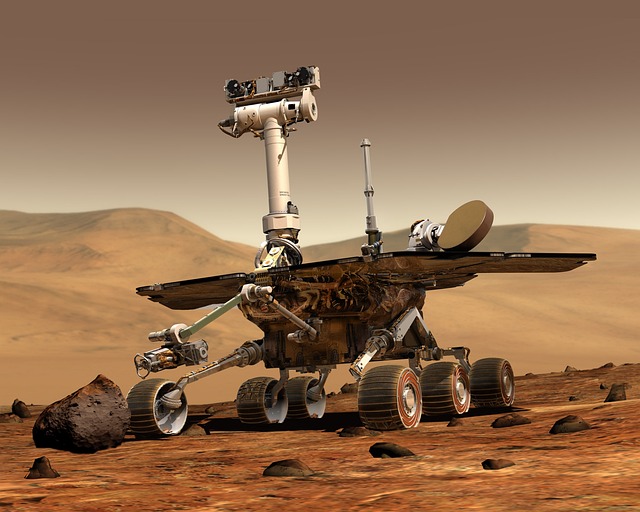
The Future of Robotics and Automation is rapidly becoming an ever-increasing presence in our lives. As technology advances, robotics and automation allow us to automate tedious tasks. We are beginning to see improvements in everyday life, from autonomous cars to robotic surgery.
As well as making our lives easier, robotics and automation can provide numerous economic, healthcare, and social benefits. From developing countries being able to reduce costs in production to hospitals having automated surgery, robotics and automation offer us a promising path to a better future.
Whether you are in manufacturing, healthcare, or any other sector, you will surely benefit from the advances in robotics and automation.
Challenges of robotics and automation

The future of robotics and automation is shaping up to be more promising than ever before. With advancements in artificial intelligence, machine learning, and nanobiomechanical systems, robots and automation processes are becoming increasingly complex and sophisticated.
As these technologies become more refined, the challenges robotics and automation pose to businesses, the economy, and society become more pressing. From developing high-level automation processes to managing the safety and accessibility of these processes, the future of robotics and automation requires careful consideration. Organizations must recognize that these technologies will continue to evolve and must identify strategies to ensure successful implementations of robotics and automation.
The impact of robotics and automation on the economy

The Future of Robotics and Automation is bound to have a considerable impact on the economy. Automation has already started to change the way businesses operate, and companies have begun to take advantage of the many benefits it offers.
As the trend continues, we can expect to see an increasing number of automation tasks in various areas such as manufacturing, retail, healthcare, and customer service, to name a few. As these tasks become more sophisticated and automated, we can anticipate a significant boost to the economy. Companies will be able to save money on labor costs by relying on machines for day-to-day operations.
Moreover, automation is expected to help business streamline and improve operations. This will lead to increased productivity, resulting in a more efficient workforce. All in all, the future of Robotics and Automation promises many opportunities for businesses and the economy as a whole.
The impact of robotics and automation on society
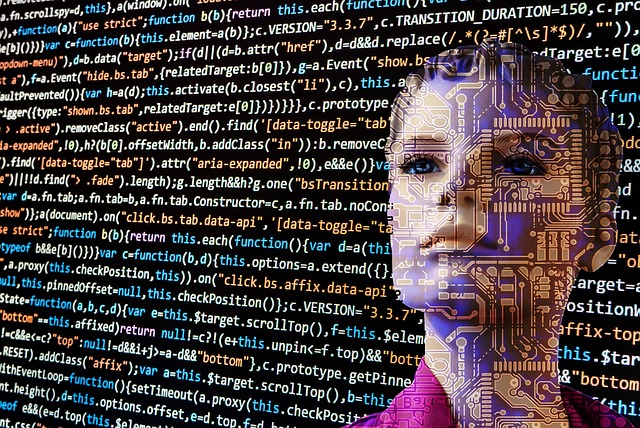
The future of robotics and automation is no longer in the realm of science fiction, but rather is the reality of our present and future. As robotics and automation become increasingly present in our everyday lives, it is important to explore the wide-reaching implications it may have on our society. From increased productivity and economic growth, to changes in the job market and the way we interact with our environment, the impact of robotics and automation cannot be overstated.
By weighing the potential benefits and drawbacks of robotics and automation, we have a better chance of creating a society that proactively works towards a successful, balanced and harmonious future.
The future of robotics and automation

The future of robotics and automation is an exciting topic that has many implications for our future. It has been increasingly gaining attention, as automation technology advances more rapidly and robotics become smarter. Whether it’s in industrial processes, manufacturing, healthcare, or even our homes and daily activities, robots and automation are increasingly being used to help us in our daily lives.
As advances in artificial intelligence and machine learning continue to increase, the possibilities for robotics and automation become limitless. Innovations within these industries are allowing for robots to help humans in unique ways and quickly becoming an integral part of our lives.
Excitingly, this technology is just beginning to find its feet and could revolutionize our lives in unexpected ways. It is an industry that is continuously growing and is sure to make a big impact in the future.
The role of government in regulating robotics and automation
“The future of robotics and automation holds a vast amount of potential, but there is also much to consider when it comes to the role of government in regulating these technologies. How do we ensure that the advantages of introducing robotic systems and automation outweigh the risks? The regulation of robotics and automation is becoming ever-more crucial as we move towards a more automated world, and it is the responsibility of governments to set the rules for their use.
They must consider how to balance the benefits of improved efficiency and accuracy with preventative measures against potential negative externalities. Governments must examine the need for safeguards – such as safety protocols and responsible data use – to ensure the safety and security of those engaging with robotic systems and automation.
Furthermore, governments should be looking at long-term strategies to ensure a level playing field in this increasingly automated society. ”
Bottom Line
The future of robotics and automation is bright. With advances in technology, robots and automated systems are becoming increasingly capable of performing complex tasks.
This will lead to more efficient and cost-effective production processes, as well as improved safety and quality standards. Additionally, automation can help to reduce labor costs and create new opportunities for workers. As the technology continues to evolve, robotics and automation will become an essential part of our lives, revolutionizing the way we live, work, and play.
FAQ
What are the potential applications of robotics and automation in the future?
The potential applications of robotics and automation in the future are vast and varied. They include automation of manufacturing processes, automation of healthcare services, automation of transportation systems, automation of agricultural processes, automation of home and office tasks, and automation of military operations. Additionally, robotics and automation could be used to assist in exploration and research, as well as to provide assistance to people with disabilities.
How will robotics and automation impact the job market?
Robotics and automation are likely to have a major impact on the job market. Automation is expected to replace certain types of jobs, while robotics may create new opportunities in areas such as programming, maintenance, and repair. In the long run, it is likely that the job market will become more specialized, with fewer generalist roles and more roles that require specific skills and knowledge.
What are the ethical considerations of robotics and automation?
The ethical considerations of robotics and automation include issues such as safety, privacy, autonomy, and responsibility. Safety concerns include the potential for robots to cause physical harm to humans, while privacy concerns involve the potential for robots to collect and store personal data. Autonomy concerns involve the potential for robots to make decisions without human input, and responsibility concerns involve the potential for robots to be held accountable for their actions.
What are the potential risks associated with robotics and automation?
The potential risks associated with robotics and automation include safety risks, economic risks, and ethical risks. Safety risks include the potential for robots to malfunction or cause harm to humans. Economic risks include job displacement and the potential for robots to take over certain jobs. Ethical risks include the potential for robots to make decisions that are not in line with ethical standards.
How will robotics and automation shape the future of transportation?
Robotics and automation are likely to have a significant impact on the future of transportation. Automated vehicles and drones could reduce the need for human drivers and pilots, while robotic systems could help to improve the efficiency and safety of transportation systems. Additionally, automation could help to reduce the cost of transportation and make it more accessible to people around the world.
What are the potential benefits of robotics and automation?
The potential benefits of robotics and automation include increased efficiency, improved accuracy, reduced costs, increased safety, and improved quality of products. Additionally, robotics and automation can help reduce human labor and increase productivity.