
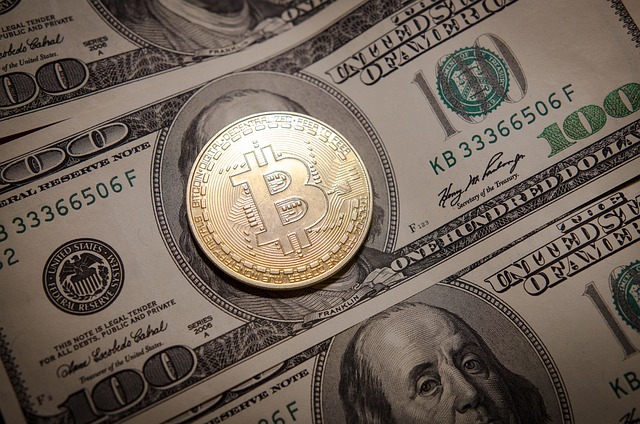
The Impact of Cryptocurrency on the Economy has been a hot topic in recent years. As the use of digital currencies like Bitcoin and Ethereum continues to grow, so do the implications for the global economy.
This blog will explore the potential effects of cryptocurrency on the economy, from its impact on inflation to the rise of decentralized finance. We’ll also look at the potential risks associated with cryptocurrency, such as market volatility and cyber security threats. Finally, we’ll discuss how governments and financial institutions are responding to the rise of cryptocurrency.
History of cryptocurrency

The Impact of Cryptocurrency on the Economy: Cryptocurrencies, such as Bitcoin, have become increasingly popular and widespread in recent years, and their effect on the economy is an important topic of discussion. In its most basic definition, cryptocurrency is a digital asset designed to work as a medium of exchange, using cryptography to secure its transactions and control the creation of additional units. As a result, cryptocurrency has enabled users to participate in commerce without the use of traditional fiat currencies or government-backed financial institutions.
This has allowed for instant and global transfers, peer-to-peer payments, and even the creation of autonomous and decentralized marketplaces. As cryptocurrency has gained more widespread acceptance and usage, its impact on the economy has become more pronounced.
On the one hand, cryptocurrency has created more efficient markets and reduced costs associated with international payments and money transfers. On the other hand, it has increased volatility and uncertainty, as well as opened opportunities for fraud and manipulation. Cryptocurrency has also enabled entrepreneurs and start-ups to access capital rapidly, thus fueling the growth of innovative markets.
Ultimately, the economic effects of cryptocurrency can be both positive and negative, and it is important to understand both sides of the equation in order to make informed decisions about its usage.
How cryptocurrency impacts the economy
Cryptocurrency has been gaining traction in the economy over the past few years, and with its rise, the Impact of Cryptocurrency on the Economy has become a hot topic. We take a look at how this digital currency has been affecting the economy and what it could mean for the future.
From increasing global financial inclusion to reducing transaction fees, this technology has been showing promise – and raising plenty of debate – in the business and finance worlds. As cryptocurrency becomes more accessible and the regulatory framework grows, its potential to make an impact in the global economy is becoming more and more evident. It’s time to take a closer look at the ways cryptocurrency is changing the financial landscape.
Benefits of cryptocurrency

The Impact of Cryptocurrency on the Economy is a hot topic right now, and for good reason. Cryptocurrency has the potential to transform our financial system by providing a decentralized, secure and low-cost medium of exchange.
With the growing acceptance and adoption of cryptocurrency, more and more people are realizing the potential benefits that the technology brings. From borderless payments to 24/7 availability, cryptocurrency offers a revolutionary way to purchase goods and services, making it an attractive investment opportunity. Additionally, it has the potential to reduce the cost of international money transfers, provide transparency and eliminate the dependence on centralized banking systems.
Thus, cryptocurrency can be a powerful tool for economic growth, as it has the potential to provide a new way to transact with financial institutions and businesses.
Challenges of cryptocurrency
Cryptocurrencies like Bitcoin, Ethereum and Litecoin are changing the economy, but their impact comes with its own set of challenges. The highly volatile nature of the cryptocurrency market combined with their decentralized nature makes it difficult for governments and financial institutions to regulate these forms of currency. Additionally, transaction speeds can be slow, and the lack of widespread adoption by retailers and consumers could prevent widespread use.
Regulations and policies

Cryptocurrency has become an increasingly prominent part of the economy, and as such, businesses need to be aware of the potential impact these emerging digital assets can have. Regulations and policies are evolving to keep up with this technology, and it is important for companies to stay abreast of the changes in order to ensure that their operations run smoothly.
Understanding the ramifications of cryptocurrency on the economic landscape is key to effectively managing a business in the digital age.
Future of cryptocurrency
The future of cryptocurrency is not just about the potential growth in digital currency, but also the impact it may have on the economy. Cryptocurrency has fundamentally transformed the way we conduct financial transactions, offering a secure and reliable way to transfer, store, and use money without relying on third-party financial institutions.
With new currency exchange and payment methods, cryptocurrency has the potential to completely revolutionize the global economy and bring us closer towards a more efficient and secure financial system. While there are benefits and drawbacks to cryptocurrency’s decentralized system, the potential it holds to drastically impact the economy is undeniable. From new international payment methods and global currencies, to an entirely new class of secure digital assets, the possibilities are endless.
It will be interesting to see how cryptocurrency will reshape the future of global finance.
Conclusion
Cryptocurrency has had a major impact on the global economy. It has allowed for more efficient and secure transactions, as well as greater access to financial services for those who were previously unbanked. Cryptocurrency has also allowed for more decentralized economic systems, which can help to reduce inequality and provide greater economic stability.
The future of cryptocurrency is uncertain, but it is sure to continue to have a major influence on the global economy.