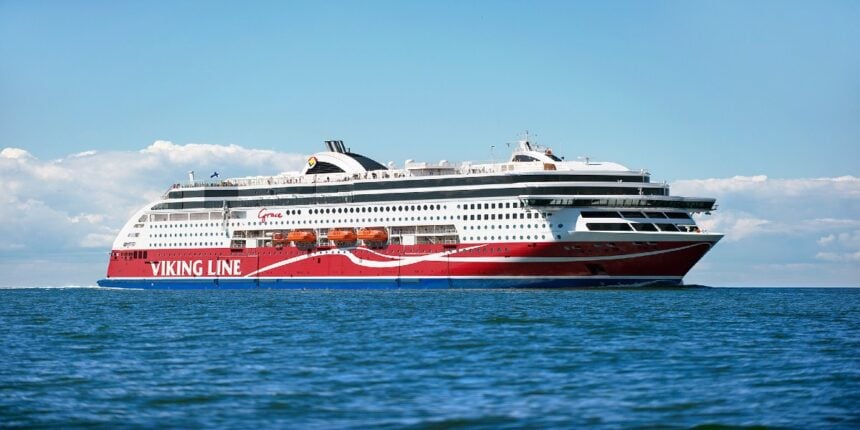
For a first trip to Greece, visiting more than one island can be an exciting way to experience different landscapes, beaches, towns and local traditions. Ferry travel makes island hopping relatively straightforward, but a little planning is important if you want to avoid spending your holiday rushing between destinations.
From choosing the right islands to understanding ferry connections, these practical tips can help you plan a more enjoyable Greek island adventure.
1. Start With the Type of Holiday You Want
There is no single perfect Greek island itinerary. The best combination depends on what you want to do during your holiday.
- Beaches: Look for islands with a variety of beaches and swimming spots.
- Food: Consider destinations known for local restaurants, tavernas and regional specialities.
- History: Islands with archaeological sites and historic settlements can add a cultural element to your trip.
- Nightlife: Some destinations have a much livelier atmosphere during the summer.
- Quiet escapes: Smaller or less-visited islands can be better suited to travellers looking for a slower pace.
2. Choose Two or Three Islands First
If this is your first island-hopping trip, resist the temptation to create a huge itinerary. Two or three islands can provide plenty of variety without turning every other day into a travel day.
Spending several nights in each destination also gives you enough time to explore beyond the main tourist areas.

3. Check Ferry Connections Before Booking Accommodation
One of the easiest mistakes to make is booking hotels first and checking transport later. Instead, look at the available ferry routes between Greek islands before finalising your accommodation.
Not every island is directly connected to every other destination, and some routes operate more frequently than others.
Ferryhopper can be useful when comparing ferry routes, departure times and connections while putting together an itinerary.
4. Build Your Route Around Geography
Try to create a route that moves logically from one destination to the next. Constantly travelling back toward your starting point can add unnecessary hours to your trip.
For example, if several islands are connected along the same route, visiting them in sequence can make your journey much more efficient.
5. Pay Attention to Travel Time
Two islands might look relatively close on a map, but the actual ferry journey can still take several hours depending on the route and vessel.
When comparing ferry tickets, look at the total travel duration as well as the price.
| What to Compare | Why It Matters |
|---|---|
| Departure time | Determines how much of your day is spent travelling |
| Arrival time | Can affect hotel check-in and onward transport |
| Journey duration | Important when you have a short holiday |
| Ticket price | Helps you manage your overall travel budget |
| Ferry type | Can affect speed and the onboard experience |
6. Think About Your Luggage
Island hopping usually means moving your luggage more often than on a traditional holiday. Keep your packing practical and avoid bringing items you will rarely use.
A smaller suitcase or easy-to-carry bag can make getting on and off ferries, navigating ports and reaching accommodation much easier.
7. Arrive at the Port Early
Give yourself enough time to reach the port and locate your departure area. Busy ports can be confusing, particularly during the summer months when several ferries may be operating around the same time.
If you are travelling with a car, allow additional time for vehicle boarding.
8. Leave Room for Flexibility
It is tempting to plan every day of an island holiday in advance, but some of the best experiences happen when you have time to explore without a strict schedule.
Try to leave a little flexibility around your ferry journeys and avoid scheduling important activities immediately after arrival.
9. Simple First-Time Island-Hopping Plan
- Choose your starting point.
- Select two or three islands that match your interests.
- Check direct ferry connections.
- Compare journey times and departure schedules.
- Book accommodation around your ferry itinerary.
- Allow enough time for port transfers and boarding.
- Leave some free time to explore each island.
10. Enjoy the Journey, Not Just the Destination
One of the nicest parts of travelling between Greek islands is the journey itself. Watching the coastline disappear behind you and seeing a new island approach from the sea gives the trip a different sense of adventure.
With a realistic itinerary, well-timed Greek ferry bookings and enough time to enjoy each stop, island hopping can be a memorable way to discover Greece.