

Artificial Intelligence (AI) has been a transformative force in our lives, revolutionizing industries, enhancing efficiency, and shaping the future. As we embark on a journey into the next decade, the possibilities of AI seem boundless. From healthcare to finance, from education to entertainment, AI is poised to make unprecedented strides, driving innovation and reshaping our world. In this blog post, we’ll delve into five bold predictions for AI advancements by the year 2030.
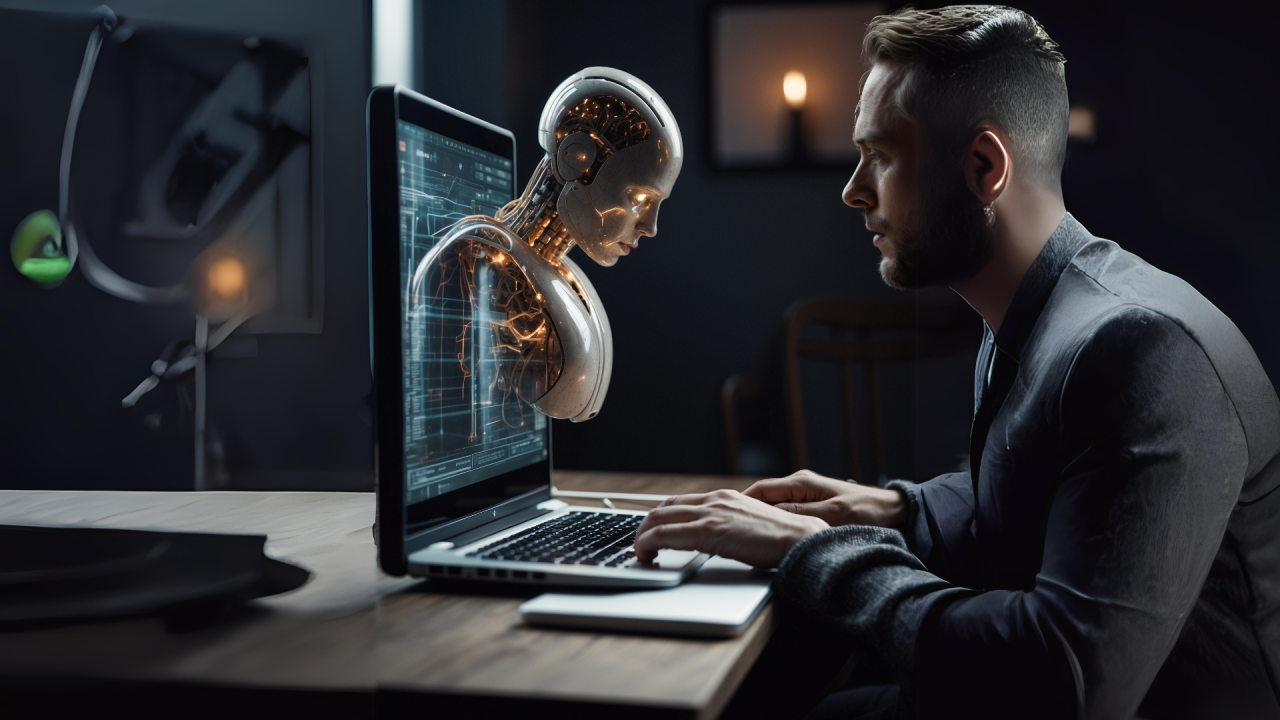
5. Human-Level Conversational AI
By 2030, we can expect to converse with AI systems that emulate human-like communication to an astonishing degree. Gone will be the stilted interactions of today, replaced by fluid conversations that mimic the nuances of human speech patterns, emotions, and cultural references. Imagine chatting with a virtual assistant that not only understands your words but also empathizes with your feelings, adapts to your personality, and even cracks jokes tailored to your sense of humor. This leap in conversational AI will redefine the way we interact with technology, making it more intuitive, engaging, and indispensable in our daily lives.

4. AI-Driven Personalized Medicine
The field of healthcare is on the brink of a revolution, propelled by AI-driven personalized medicine. By 2030, advances in AI algorithms, coupled with vast amounts of genomic and clinical data, will enable healthcare providers to deliver tailored treatments based on individual genetic makeup, lifestyle factors, and environmental influences. From predicting disease risk with unprecedented accuracy to optimizing drug dosages for maximum efficacy and minimal side effects, AI will empower medical professionals to provide personalized care that is truly transformative. Patients will benefit from earlier detection, more precise diagnoses, and targeted therapies, leading to improved outcomes and enhanced quality of life.
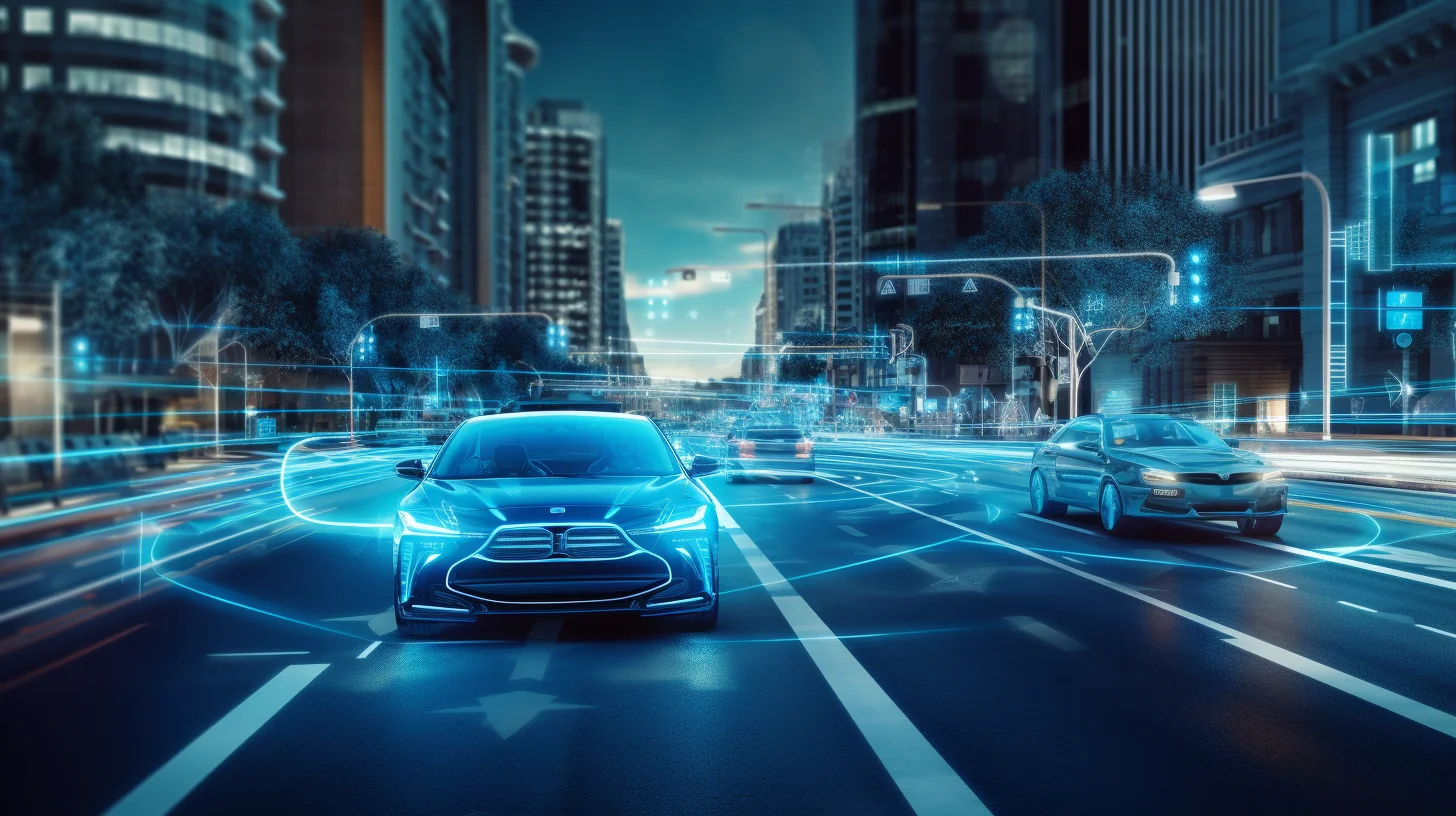
3. Autonomous Everything
The era of autonomy will reach new heights by 2030, with AI-powered systems driving cars, drones, ships, and even entire cities. Autonomous vehicles will become ubiquitous, revolutionizing transportation networks, reducing accidents, and easing traffic congestion. Meanwhile, drones will autonomously deliver goods, inspect infrastructure, and assist in emergency response efforts. In the maritime domain, AI-driven ships will navigate the seas with unparalleled efficiency, optimizing routes, avoiding hazards, and minimizing environmental impact. Moreover, smart cities will leverage AI to manage infrastructure, utilities, and public services, creating sustainable, livable environments for residents. The rise of autonomous everything promises to redefine the way we live, work, and move through the world.

2. AI-Powered Creativity
By 2030, AI will emerge as a powerful collaborator in the realm of creativity, amplifying human ingenuity and pushing the boundaries of artistic expression. From music composition to visual arts, from literature to filmmaking, AI algorithms will inspire, assist, and co-create with human artists, unlocking new forms of creativity and innovation. Imagine a world where AI-generated music captivates audiences with melodies that evoke deep emotions, where AI-generated artwork dazzles viewers with its beauty and originality, and where AI-generated stories enthrall readers with their depth and imagination. Far from replacing human creativity, AI will serve as a catalyst for exploration and discovery, enriching our cultural landscape and expanding the horizons of human expression.

1. Ethical AI Governance
As AI becomes increasingly integrated into society, ensuring ethical AI governance will be paramount. By 2030, we can expect the development of robust frameworks and regulations that govern the responsible use of AI technologies, protecting against bias, discrimination, and misuse. From algorithmic transparency to accountability mechanisms, from data privacy to algorithmic fairness, ethical considerations will be embedded into the design, deployment, and operation of AI systems across all domains. Moreover, interdisciplinary collaborations between technologists, ethicists, policymakers, and stakeholders will foster a holistic approach to AI governance, balancing innovation with ethical considerations and societal values. Ultimately, ethical AI governance will be essential in harnessing the full potential of AI for the benefit of humanity.
Conclusion
The next decade holds immense promise for AI advancements, with transformative implications for virtually every aspect of our lives. From human-level conversational AI to personalized medicine, from autonomous everything to AI-powered creativity, the future of AI is bold, bright, and full of possibilities. As we navigate this era of rapid technological progress, it’s essential to embrace the opportunities that AI presents while remaining vigilant about the ethical and societal implications. By harnessing the power of AI responsibly and ethically, we can unlock its full potential to create a better, more inclusive future for all. So, let’s embark on this journey into the future with optimism, curiosity, and a commitment to shaping AI advancements for the benefit of humanity.